Importing Electric Forklifts from China: 3 Problems Buyers Hit (2027 Guide)
Importing electric forklifts from China? 3 problems buyers hit: runtime short of 8 hours, capacity below spec, and parts support - and how to fix each one.
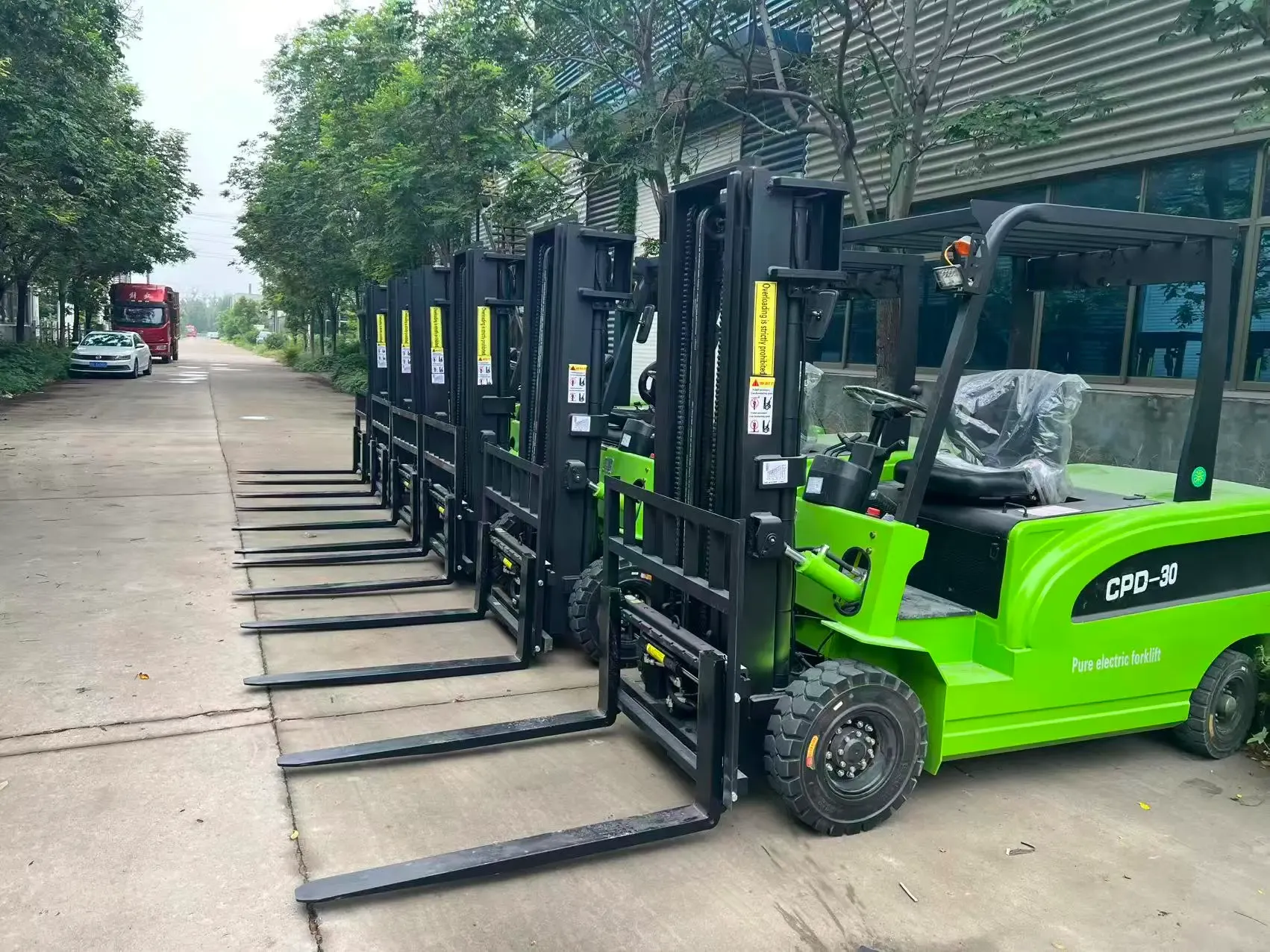
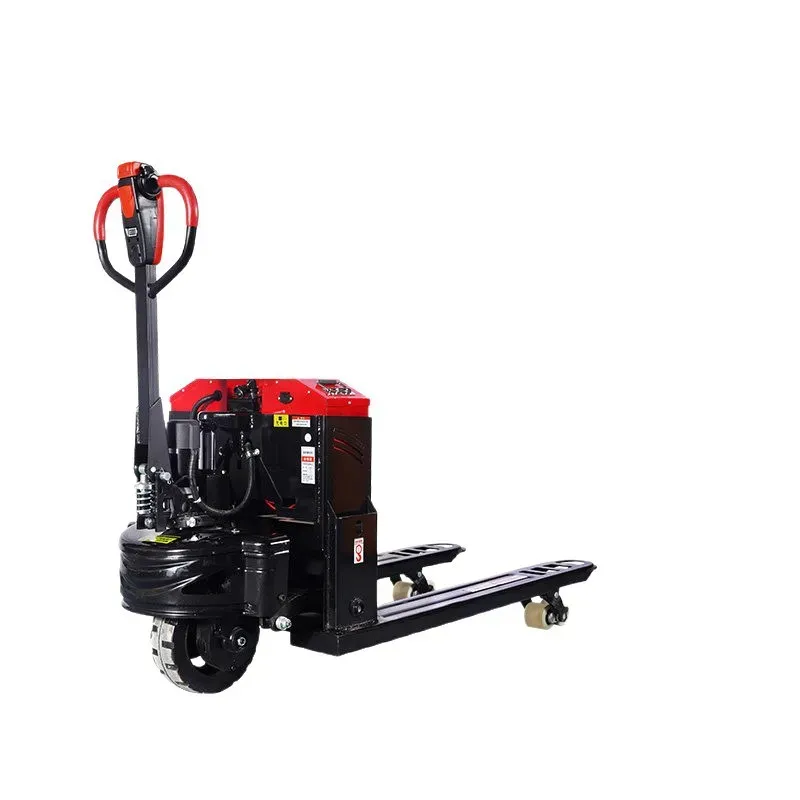
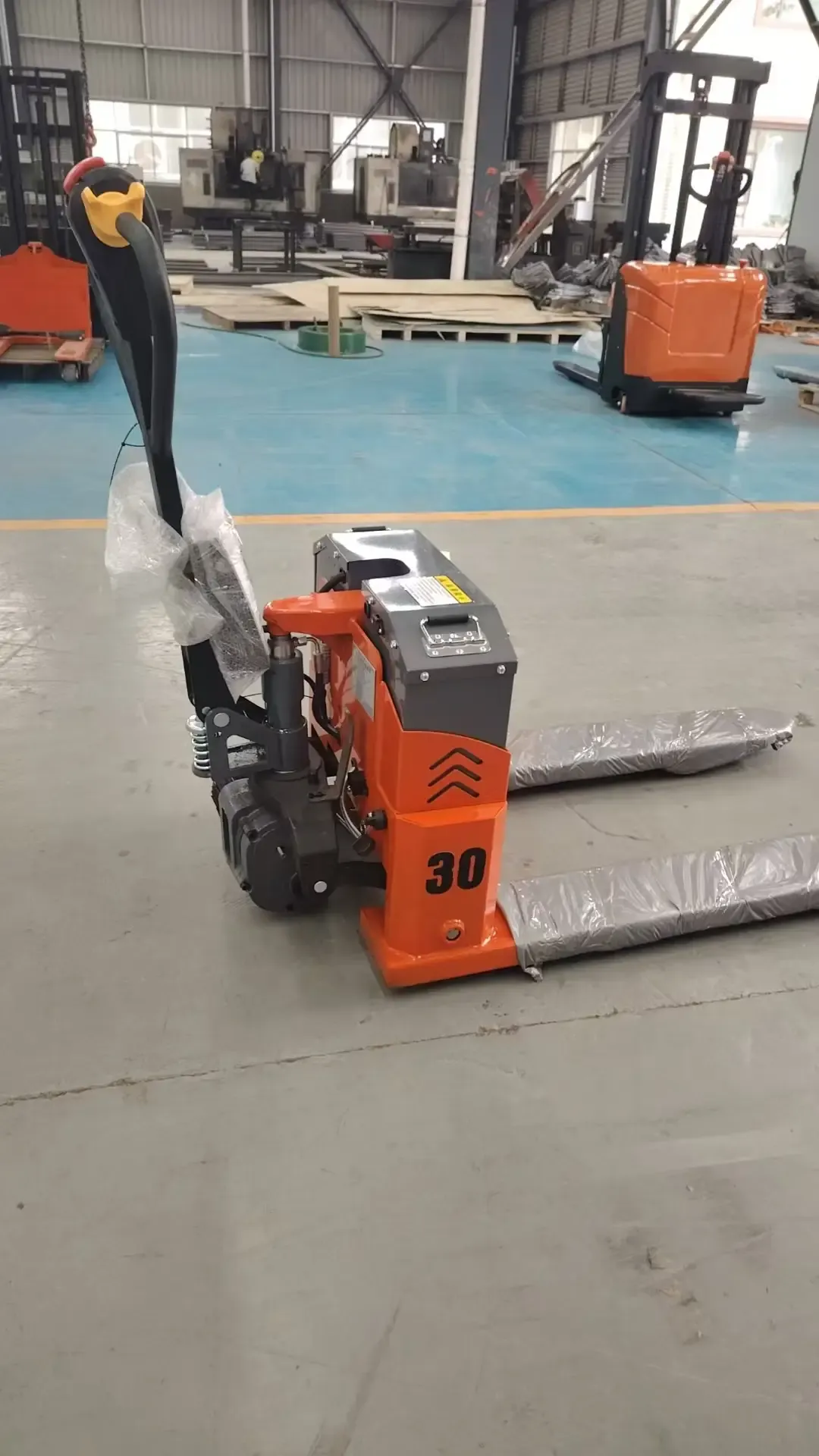
Quick answer: Importing electric forklifts from China is routine now, and Chinese factories build the full range — electric counterbalance forklifts, electric pallet trucks, diesel forklifts, electric reach trucks and electric stackers. Yet almost every buyer, first-time or repeat, runs into the same three problems: runtime that never reaches the eight hours quoted, capacity that falls short of what was ordered, and uncertainty over parts and warranty. All three are specification problems rather than quality problems, and all three are avoidable if you know what to ask before you order.
If you have never bought a forklift from China before, our step-by-step import guide covers the paperwork and shipping side. This article covers the specification side — which is what decides whether a Chinese electric forklift manufacturer delivers a truck that does your job, or one that sits idle.
What is an electric forklift, and how is it built?
An electric forklift is a heavy-duty handling tool with a chassis and a control console much like a car's, but built for one job: lifting and moving loads inside a factory or a warehouse, where its low centre of gravity and wide track give it a stability a road vehicle never needs. That is also why an electric forklift for warehouse work is specified differently from a yard truck — aisle width and door height matter as much as capacity.
Every type — from a 1.5 t battery powered forklift to a 5 t counterbalance truck — is built from the same four groups of components:
- Power unit. It supplies the energy and sits at the rear of the truck, where its weight also works as counterweight.
- Chassis. It takes the drive from the power unit, carries the load and keeps the truck moving normally.
- Working part. The mast, carriage and forks that actually pick the load up.
- Electrical equipment. Motor, battery and controller, distributing power to every system.
Break it down further and an electric forklift is eight systems: frame, power, transmission, steering, braking, hydraulic, electrical and fork. Each has its own job; together they make one machine.
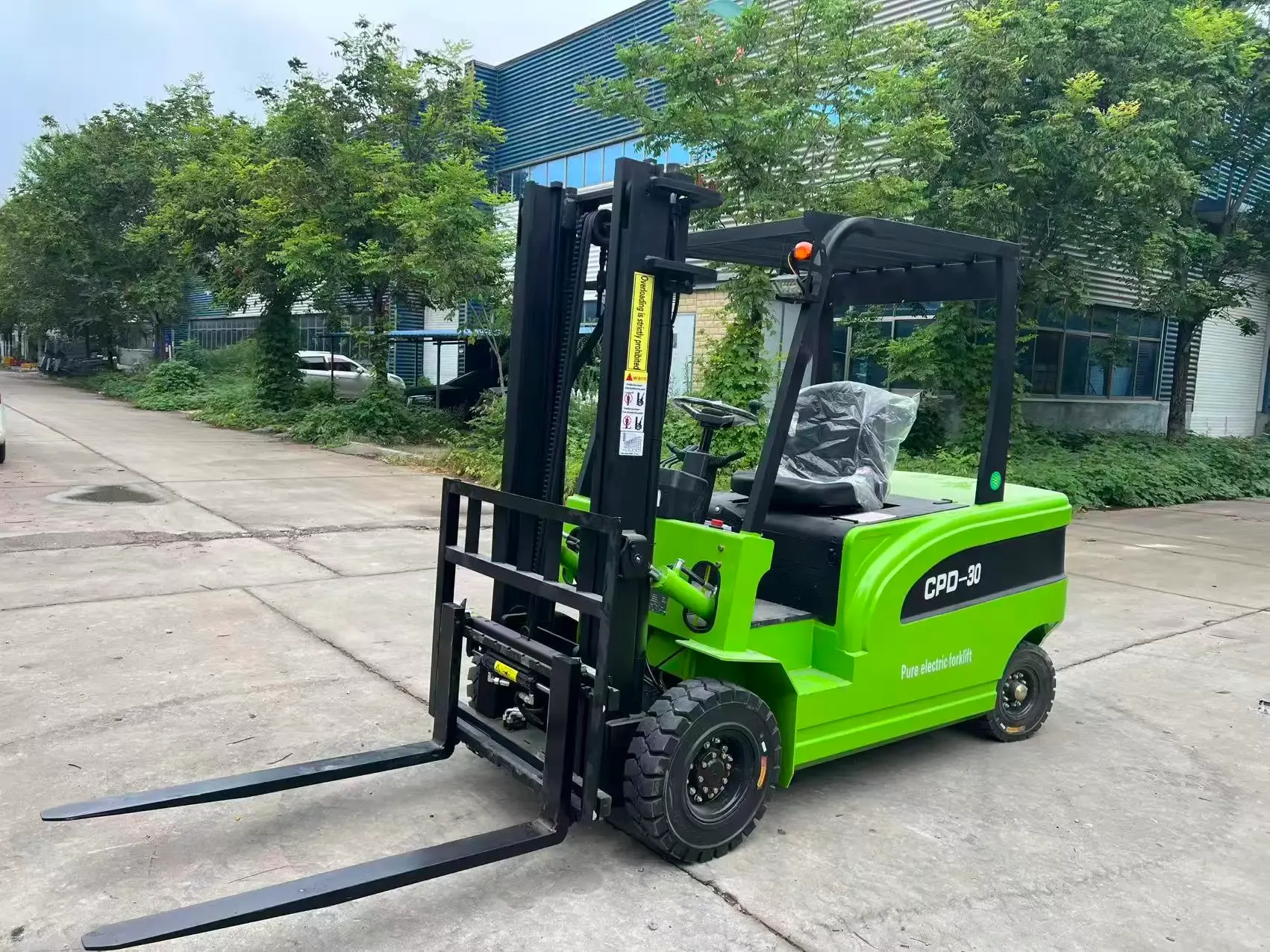
Knowing this structure explains most of the surprises that follow. As an electric forklift manufacturer supplying indoor electric forklifts and handling solutions, these are the three questions our customers raise most often.
Problem 1: the runtime is nowhere near the 8 hours quoted
Buyers care about battery and runtime first, and rightly so: the electric forklift battery is the energy source and a significant share of the total electric forklift price.
Start with the pack size. 60V/140Ah or 80V/140Ah is the standard configuration on small-tonnage electric forklifts, and a small electric forklift working at full load draws roughly 2–3 kWh per hour.
That makes the arithmetic simple. Runtime in hours equals voltage × amp-hours ÷ 1000 ÷ consumption per hour. A 60V/140Ah pack holds 8.4 kWh, so at 2–3 kWh per hour it delivers about 3 to 4 hours of continuous full-load work — not eight.
The eight-hour figure is not a lie, it is a different duty cycle. Electric forklift manufacturers quote it on the assumption that you are neither fully loaded nor working continuously. Intermittent work, partial loads and idle time stretch the same pack much further, which is why the number on the brochure and the number on your shift counter disagree.
What to do: ask the factory for the continuous runtime at your tonnage and load, then size the battery against your own working pattern rather than the brochure.
Cold weather is the second cause. Discharge capability drops at low temperature, so winter range falls with it. The fix is to buy a lithium battery electric forklift where you can: in cold conditions lithium cells stay more active than lead-acid and hold their discharge capability better. If you run a mixed fleet, the same battery management and maintenance routine applies to both chemistries.
If the pack you ordered turns out to be too small, you have two options — have a larger-capacity battery built locally, or ask the manufacturer whether a bigger pack can be specified on the original order.
Problem 2: the capacity does not match the order
Capacity shortfall is the most common problem and the easiest one to overlook. Buyers order a truck, then add lift height, side shift, free lift, an on-board scale, fork positioning and various attachments — and only at commissioning discover the truck no longer lifts what they asked for.
There are three reasons, and they compound.
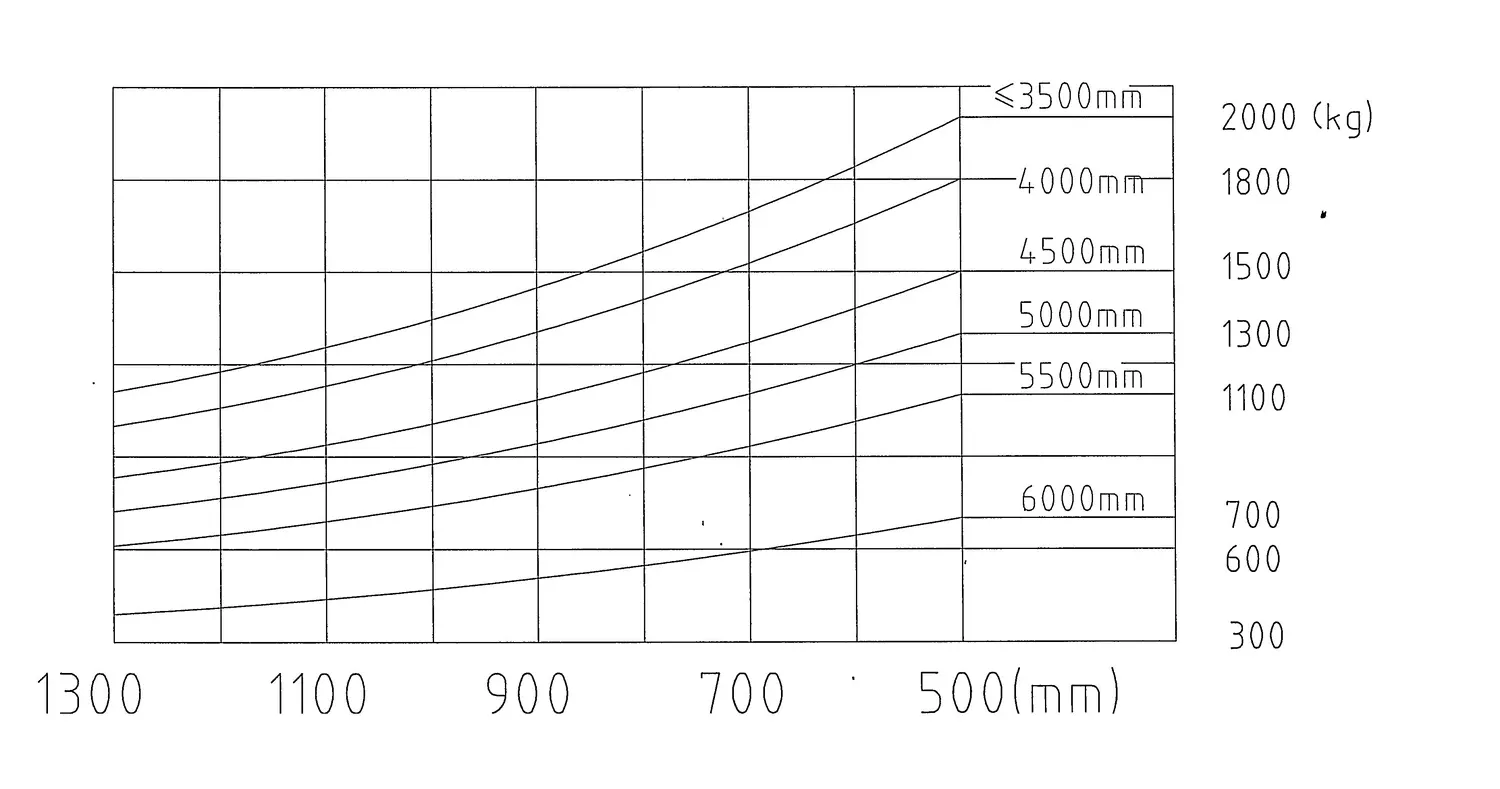
Lift height and load centre. Capacity cannot be read off a single number; it has to be read together with lift height. A 2 ton electric forklift is rated 2 t at the standard 3 m lift, and capacity falls as the height rises. A taller mast also adds weight: the mast on a 4.5 m triplex truck is heavier than the standard 3 m mast, and that extra weight comes straight off the residual capacity.
The load chart below shows the same effect from the other direction — the further the load centre sits from the mast, the lower the capacity. This is why the chart is the only honest way to compare two trucks: a machine rated 2 t at 500 mm is not a 2 t machine at 1,200 mm.
Added functions. Side shift, fork positioning and an electronic scale each need extra valve sections and hydraulic lines, which split the hydraulic flow. Each function added typically costs around 500 kg of capacity.
Attachment weight. Attachments such as a paper clamp add their own mass to the carriage — a paper roll clamp weighs roughly 500 kg — and that weight is deducted from the load you can actually pick up. Our forklift attachment selection guide covers the common types and how each one changes the rating.
What to do: send the manufacturer your complete requirement list — load, load centre, lift height, functions, attachment — and let them recommend the tonnage and the attachment together. Specifying the truck and the attachment separately is how a 2 t order turns into a 1.2 t machine on site.
Problem 3: parts, warranty and after-sales support
The third worry is what happens after the truck lands. The good news is that the vast majority of electric forklift parts are common and interchangeable across models, so consumables and wear items are rarely a sourcing problem.
Support terms vary by supplier, so ask before you buy. Senchi, for example, provides a one-year warranty and 24-hour online service on its electric forklift trucks.
What to do: to keep a small fault from parking the truck, buy a set of wear parts as spares with the original order — brake parts, wheels, seals, contactors and fuses — and put a planned maintenance schedule in place from the first week. Contact the supplier as soon as a fault appears rather than at the end of the season.
How to avoid all three problems
- Ask for continuous runtime at your tonnage, not the brochure figure, and match battery capacity to your shift pattern.
- Give load, load centre and lift height together when you request a quote, and ask for the load chart for the exact mast you are buying.
- List every function and attachment up front and ask what each one costs you in residual capacity.
- Choose lithium if you work in a cold store or an unheated warehouse in winter.
- Order wear parts with the machine and confirm the warranty period and response time in writing.
None of this is complicated. It is simply the difference between buying a truck and buying a specification.
FAQ
Why does my 2 ton electric forklift lift less than 2 t? Because 2 t is the rating at the standard lift height and a defined load centre. Add lift height, a heavier mast, side shift or an attachment and the residual capacity drops — often by several hundred kilos. Check the load chart for your mast.
Can I fit a bigger battery later? Sometimes, but it is easier to specify it at the order stage. If the truck is already in service, a larger pack can be built locally, or the factory may be able to supply a higher-capacity option for the same compartment.
Do Chinese electric forklifts use standard parts? In most cases yes. Bearings, seals, contactors, controllers and wheels are common across models and easy to source, which is why stocking a small set of wear parts is enough to keep a fleet running.
Senchi Machinery builds electric counterbalance forklifts, electric pallet trucks, electric stackers and reach trucks for warehouses worldwide. If you are comparing specifications before importing, send us your load, lift height and duty cycle — we will tell you which tonnage actually does the job.