Oct 4, 2026Electric Forklifts
How to Improve Forklift Efficiency Through Battery Management and Maintenance
Learn 8 golden rules for electric forklift battery management. Improve battery life, reduce downtime, and lower operating costs with proper forklift battery maintenance.
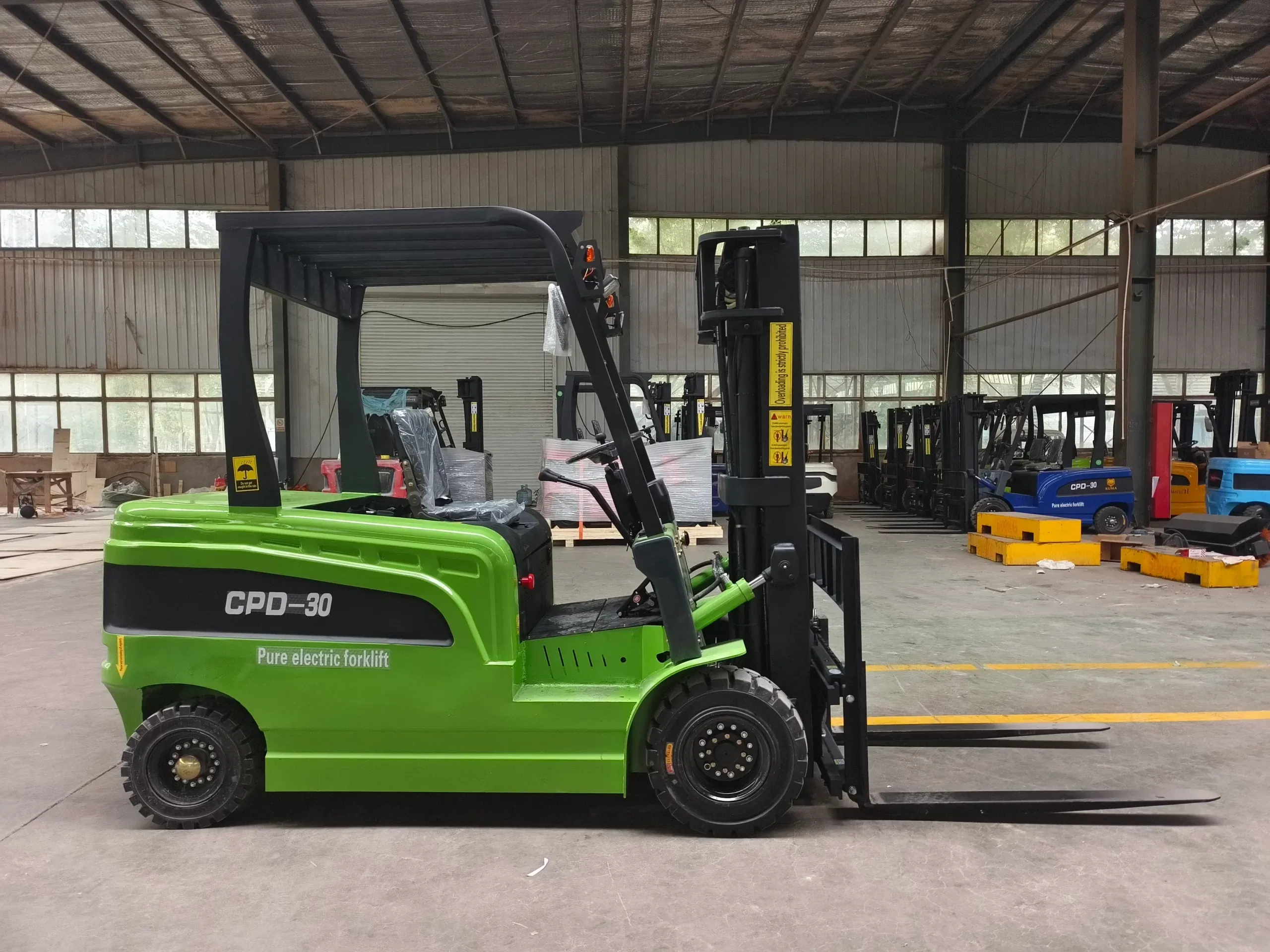
Forklift Efficiency Through Battery Management and Maintenance
Introduction
In high-intensity warehousing and logistics operations, the health of an electric forklift battery directly determines fleet efficiency and operating costs. Inefficient battery management can lead not only to unexpected downtime and premature battery scrapping but also to energy waste and soaring repair costs.
As a professional forklift manufacturer with over ten years of production experience, Senchi offers you 8 golden rules for forklift battery management. These rules help you maximize battery life, improve forklift uptime, precisely control operating costs, and easily achieve efficient fleet management.
8 Golden Rules for Forklift Battery Management
1. Monitor Battery Health in Real Time and Prevent Problems Before They Happen
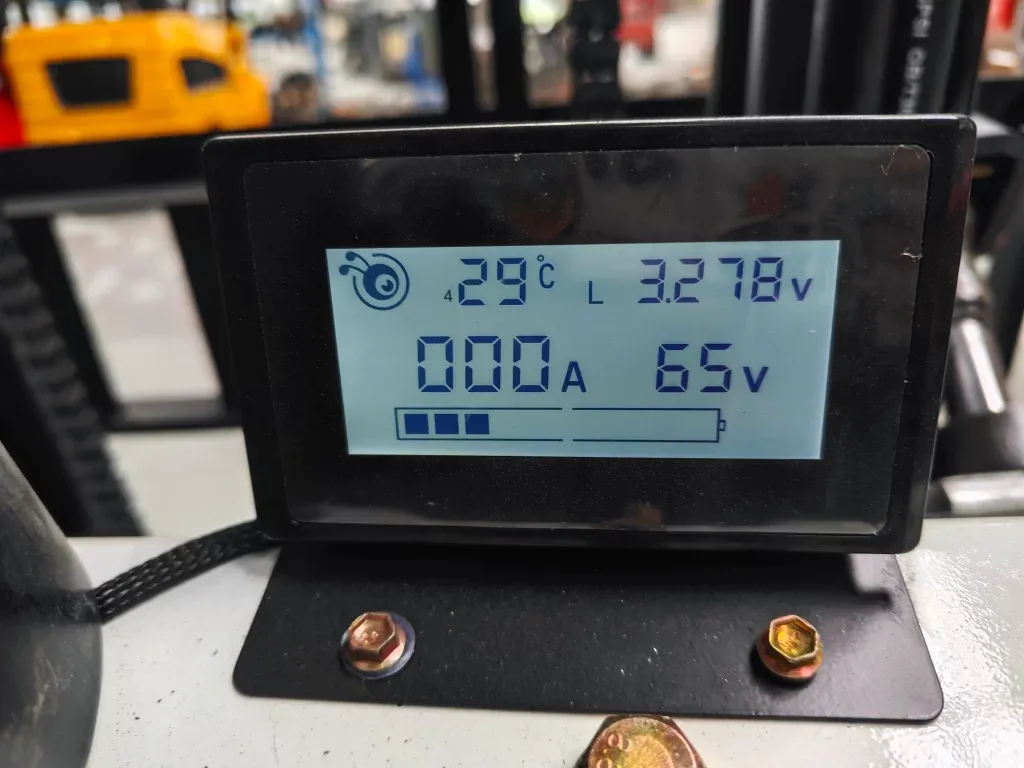
Regularly monitor battery voltage, current, and temperature to detect potential faults in time. Identify hidden risks early and prevent small problems from escalating into downtime accidents.
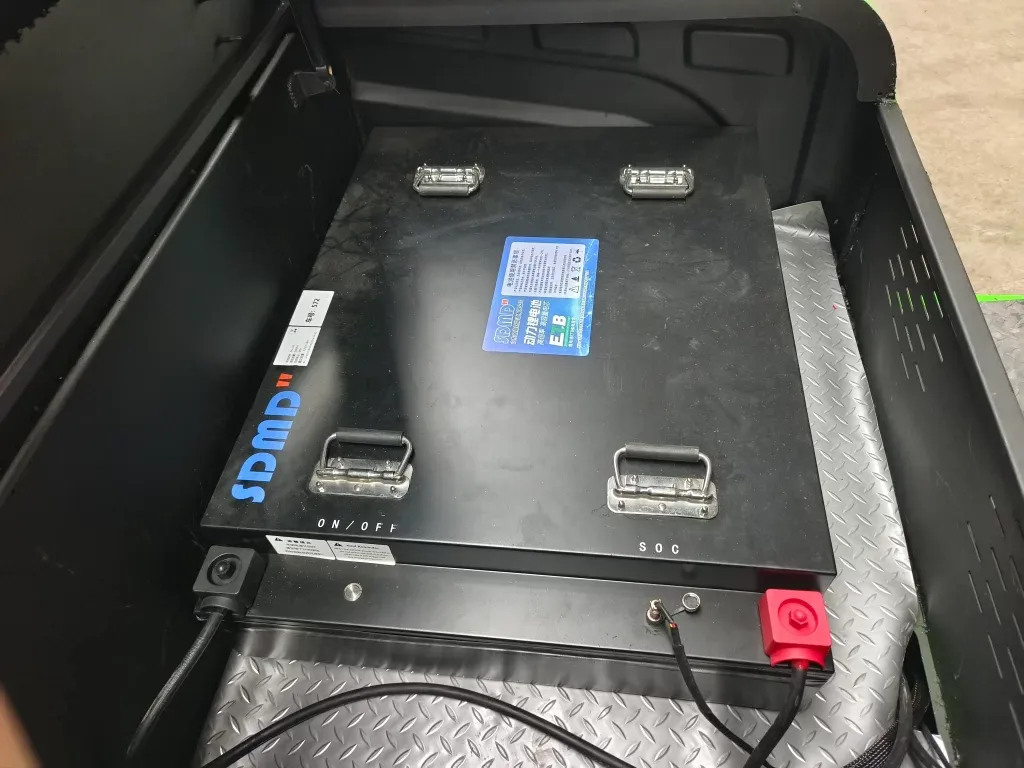
The lithium battery forklifts we produce are equipped with a BMS (Battery Management System). It intuitively displays battery voltage, current, temperature, and battery health status, allowing you to understand the forklift battery condition in real time.
2. Conduct Annual Comprehensive Inspections to Understand the Battery's "True Condition"
Carry out at least one comprehensive battery inspection every year. Use professional equipment to test actual battery capacity, cycle count, internal resistance, and more. Distinguish between usable batteries, batteries needing maintenance, and batteries needing replacement. Avoid inefficient operation with "sick batteries."
Battery capacity declines with forklift usage time. Annual inspection of forklift batteries can prevent severely degraded batteries from causing accidents and motor damage.
3. Establish a Standardized Battery Management System and Standardize Usage Procedures
During shift-based forklift operations, formulate and strictly implement battery usage, charging, and inventory management rules. Use labels and data to record battery capacity and health status. Ensure all batteries are used evenly, avoiding excessive wear on some batteries and long-term idle aging on others.
For example, label batteries with their degradation level, battery type, and service life, and record this information. This allows for excellent battery management.
4. Allow Cooling Time After Charging Lead-Acid Batteries to Avoid High-Temperature Damage
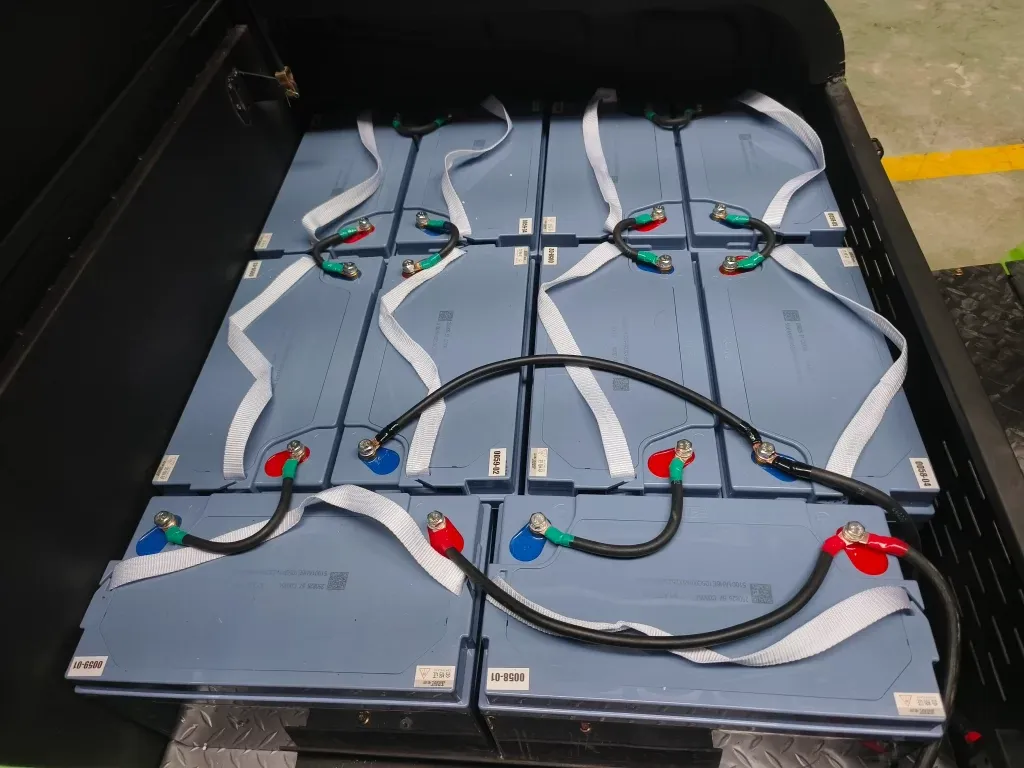
After a lead-acid battery is fully charged, allow sufficient cooling time before putting it back into use. Heat is generated during charging. If an electric forklift is used immediately, high temperatures will accelerate the aging of internal battery components. They may also cause overheating damage to cables and connectors, shortening the service life of both the battery and accessories.
5. Perform Weekly Equalization Charging to Maintain Battery Voltage Balance
Regularly charging the battery helps maintain its health as much as possible. For lead-acid batteries, perform equalization charging at least once a week. This avoids voltage imbalance that can lead to battery capacity decline and reduced runtime.
6. Carry Out Regular Preventive Maintenance to Reduce Unexpected Failures
Regularly inspect, clean, and tighten electric forklift batteries. Replace aging accessories in time. Keep the battery performing stably throughout its replacement cycle.
7. Match the Right Charger to Avoid Overcharging or Undercharging
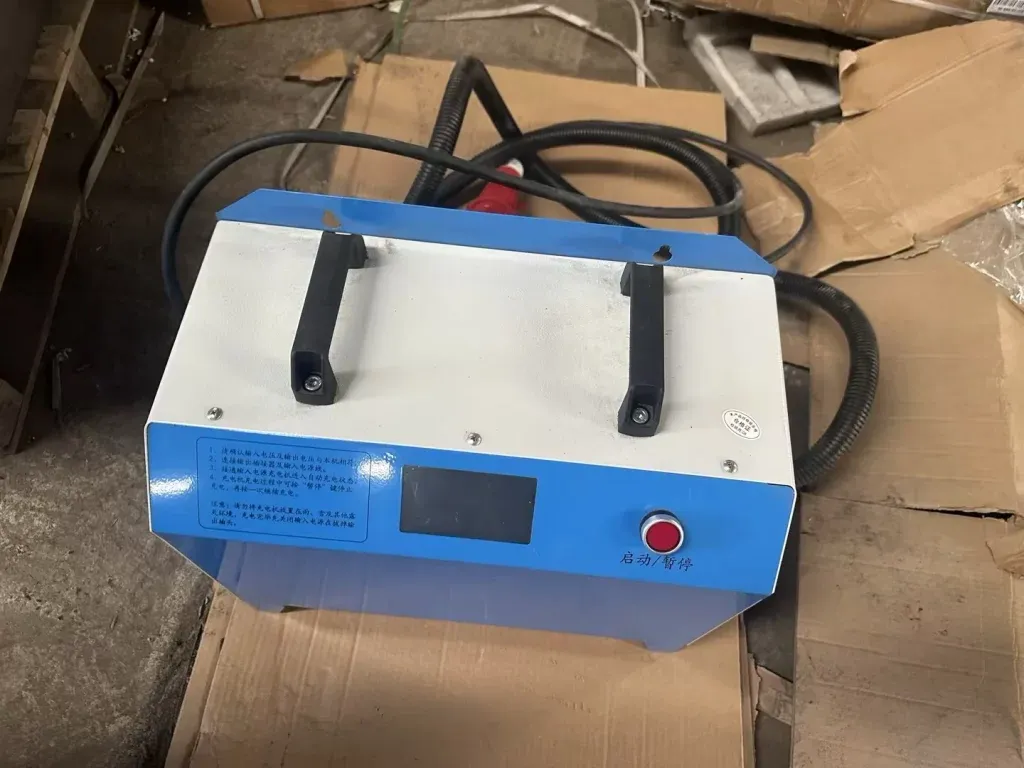
Choose a matching charger based on battery model, voltage, and capacity. Forklift chargers of 48V, 60V, and 72V cannot be mixed. Mixing them can result in failure to charge or battery damage. A matching charger can precisely control charging current and voltage, avoiding overcharge and undercharge damage to the battery.
8. Strengthen Operator Training and Standardize Daily Operations
Conduct regular electric forklift operator training, focusing on pre-shift safety checks, correct charging procedures, and daily battery care. Standardized operator behavior can reduce human-caused battery damage by more than 80%.
FAQ
1. Is a larger forklift battery always better?
Theoretically, yes. A larger capacity battery can improve the runtime of an electric forklift and may have a longer service life.
2. Do lead-acid batteries for electric forklifts have fast charging?
No. Only lithium batteries have fast charging capability.
3. Can the battery capacity and battery type of an electric forklift be customized?
Yes. The battery type of an electric forklift can be customized. Electric forklift batteries can be divided into lead-acid batteries and lithium batteries, among others. Large-capacity batteries can also be customized. We are a professional forklift manufacturer and can customize large-capacity forklift batteries for you.
Conclusion
The battery is the energy source of an electric forklift. Maintaining battery health also means maintaining the service life of the electric forklift. Through regular charging, regular inspections, recording battery status, training, and standardized charging, you can extend the service life of an electric forklift battery, improve forklift work efficiency, and reduce operating costs.
From battery health monitoring to full life-cycle maintenance, from standardized process creation to intelligent solution implementation, Senchi Electric Forklift helps you solve forklift battery management challenges. Achieve a leap in efficiency, controllable costs, and support efficient warehousing and logistics operations.