Electric Forklifts
What is an Electric Forklift and What Are Its Advantages?
Electric forklift structure explained: chassis, power and drive system, mast, control console and safety devices, plus the advantages these components deliver.
Introduction
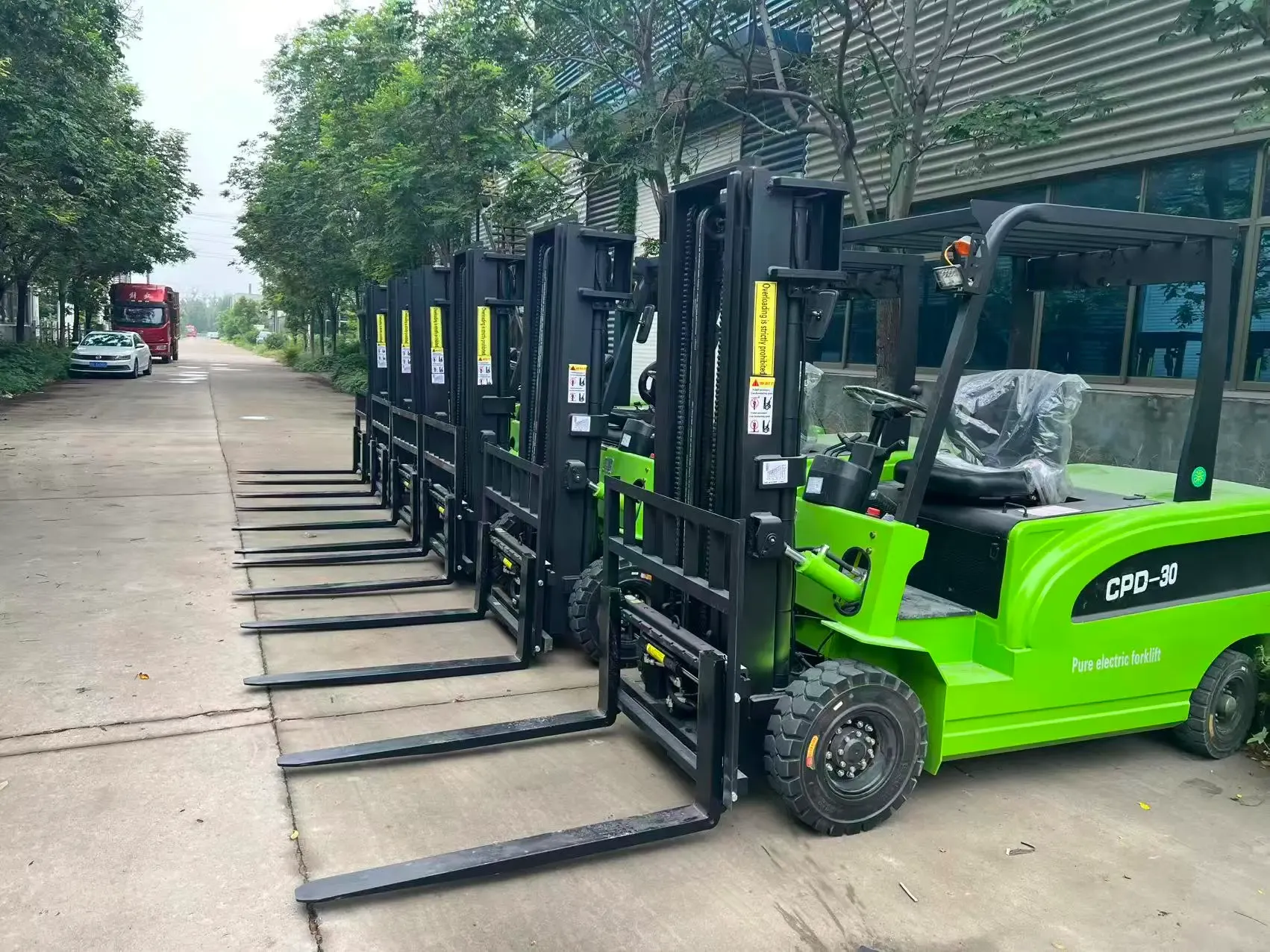
An electric forklift's advantages come directly from how it is built. Because the machine runs on a battery, a motor, and a controller rather than an engine, transmission, and fuel system, it produces no exhaust emissions and has far fewer parts to service.
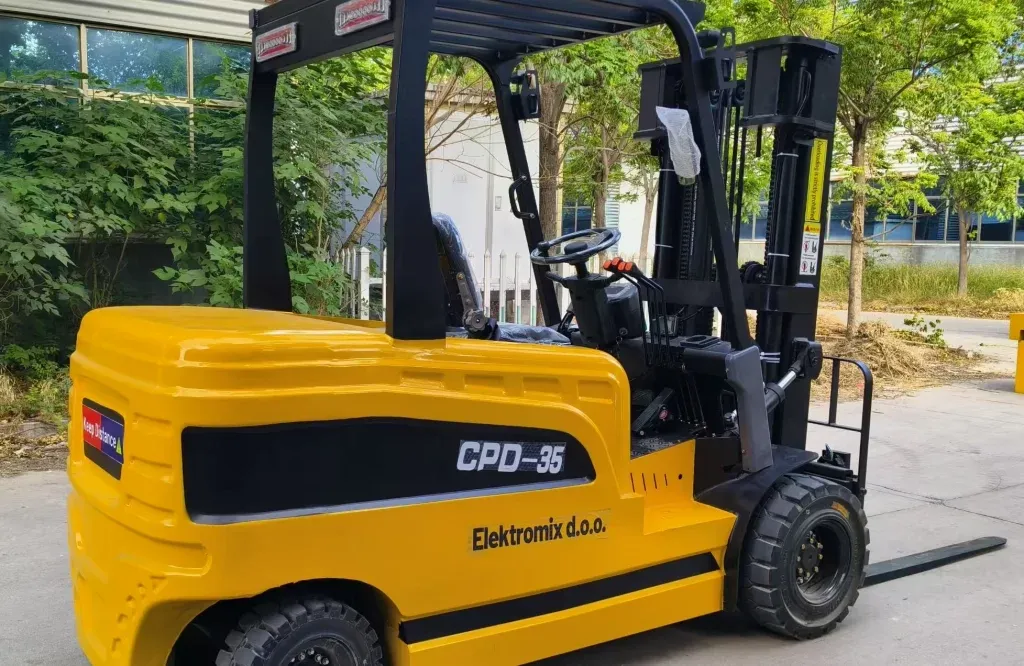
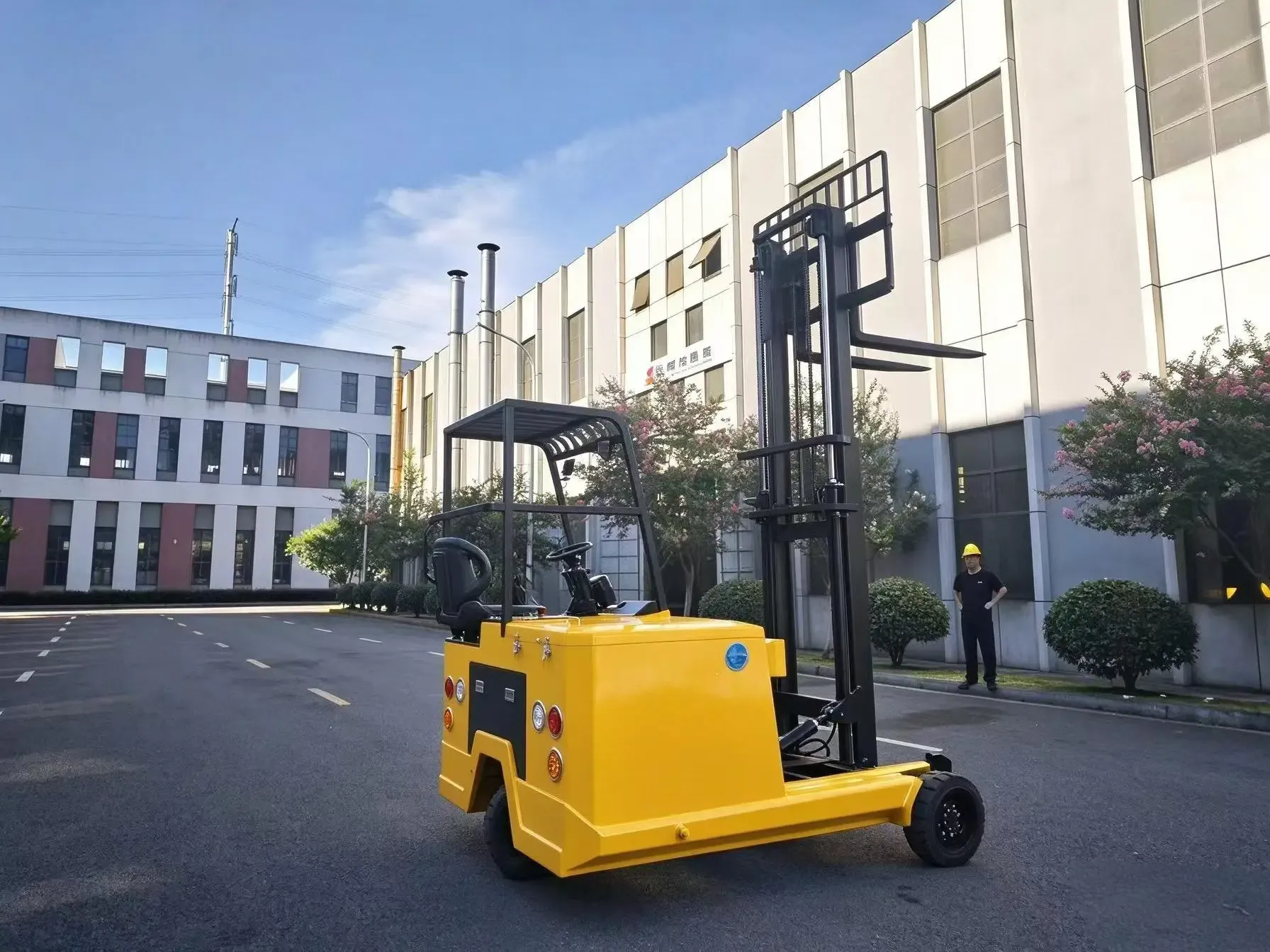
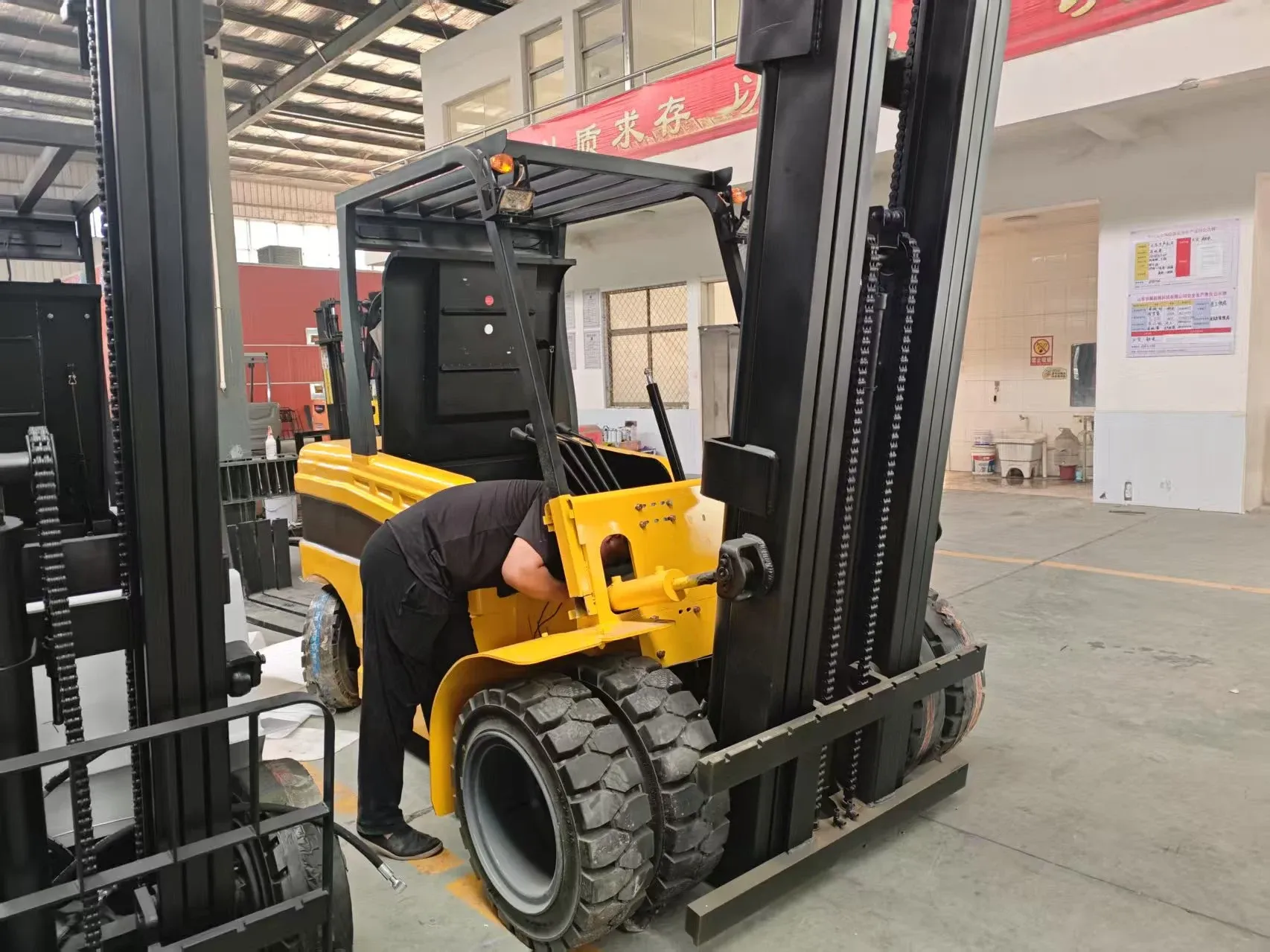
The chassis is welded steel housing the control console and seat, with a counterweight at the rear that can be cast iron, concrete, or composite. The power system is the battery, motor, and controller working together, and the drive system uses solid tires that do not deform under load, preserving rated capacity. The mast, usually two-stage or three-stage, carries the forks and can be specified for different stacking heights. The console holds the joysticks and instruments, with better machines adding an LCD status display and fault readout.
Safety devices follow from the same architecture: overload protection, anti-rollback on ramps, reverse alarm, emergency stop, and an operator presence system that detects whether someone is actually in the seat. Load sensors and warning lights are common on higher-spec models.
We have consolidated the full structural walkthrough, along with the advantage analysis and selection method, into one guide.