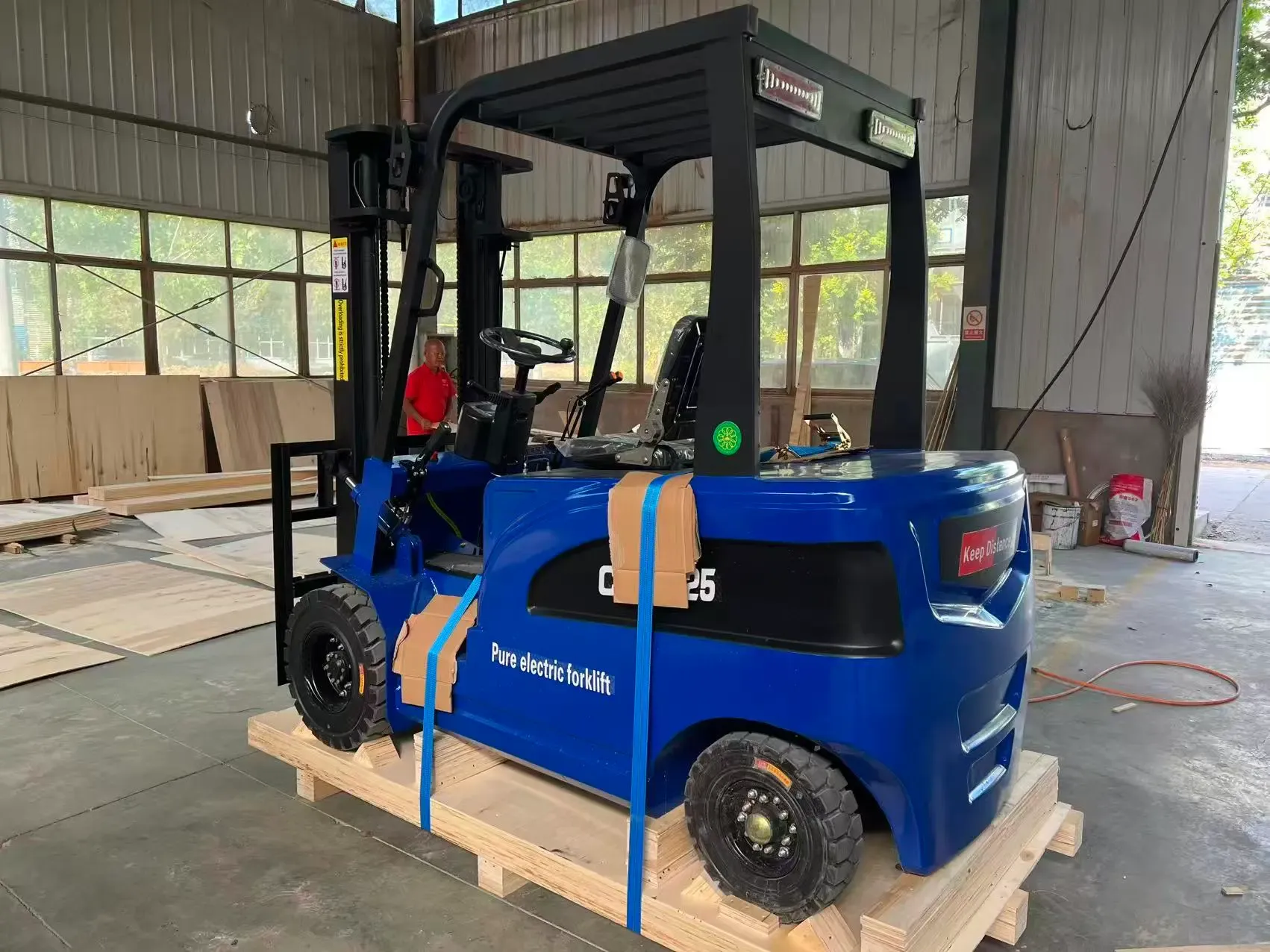
Diesel Forklifts
Diesel vs. Electric Piggyback Forklift: Comparison and How to Choose
Diesel vs electric piggyback (truck-mounted) forklifts compared: power, runtime, maintenance and 5-year TCO, plus a 2000 kg electric model that saves about US$46,000 in five years.
Introduction
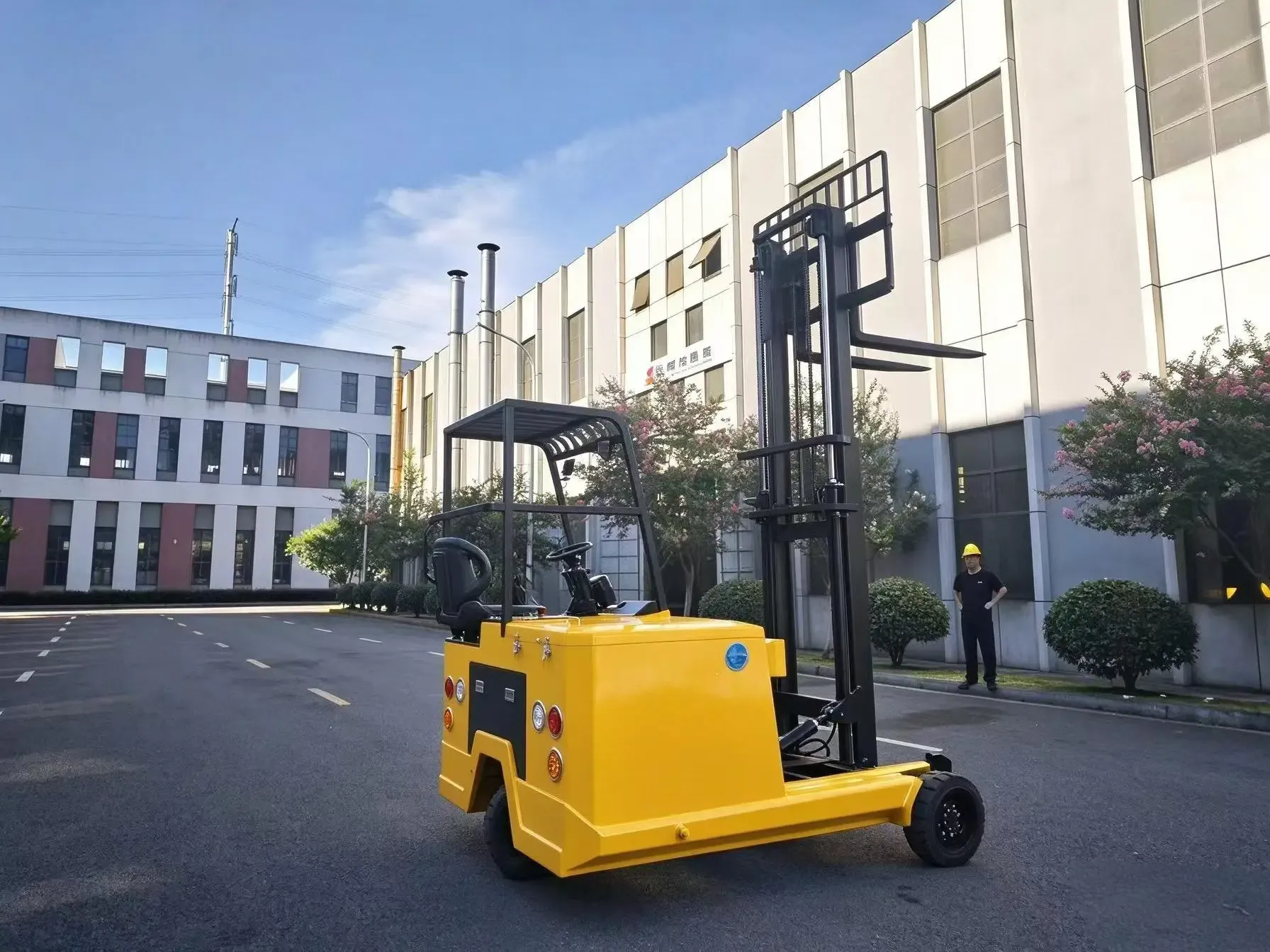
A piggyback forklift is a portable forklift. Its defining feature is that it can be hitched to the rear of a truck, which makes it easy to store and transport. This type of forklift is usually used in situations that require frequent movement and storage, such as warehouses, logistics centers, and construction sites.
So what is the difference between a diesel piggyback forklift and an electric one? How should you choose between them? This article introduces the differences between the two and gives you guidance for choosing this type of forklift.
Quick Answer
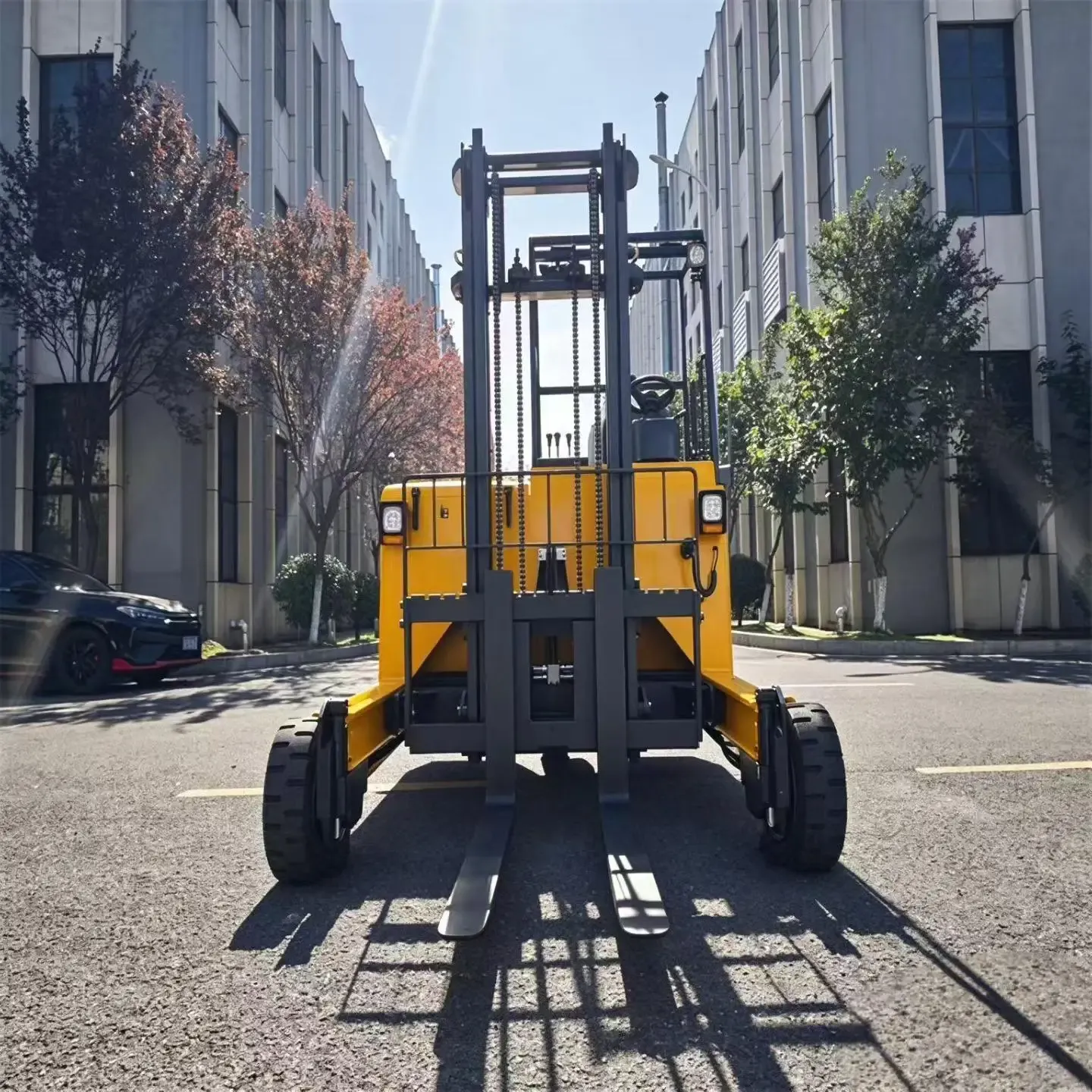
Piggyback forklifts, or truck-mounted forklifts, can be divided into diesel and electric versions. If you are after stronger performance and off-road capability, choose a diesel TMF; if you are after value for money, low maintenance costs, and low energy costs, you can choose an electric piggyback forklift.
What Is a Piggyback Forklift?
Piggyback forklifts can be divided into electric rough-terrain truck-mounted forklifts and diesel models.
As is well known, a piggyback forklift (a rough-terrain forklift) is a compact rough-terrain forklift that can be "carried" on the rear of a truck or trailer and transported with the vehicle. Once it reaches the destination, it can unload itself and work independently. In the industry it is also often called a truck-mounted forklift (TMF). This type of forklift generally uses a diesel engine and rough-terrain tires, which makes it suitable for outdoor work.
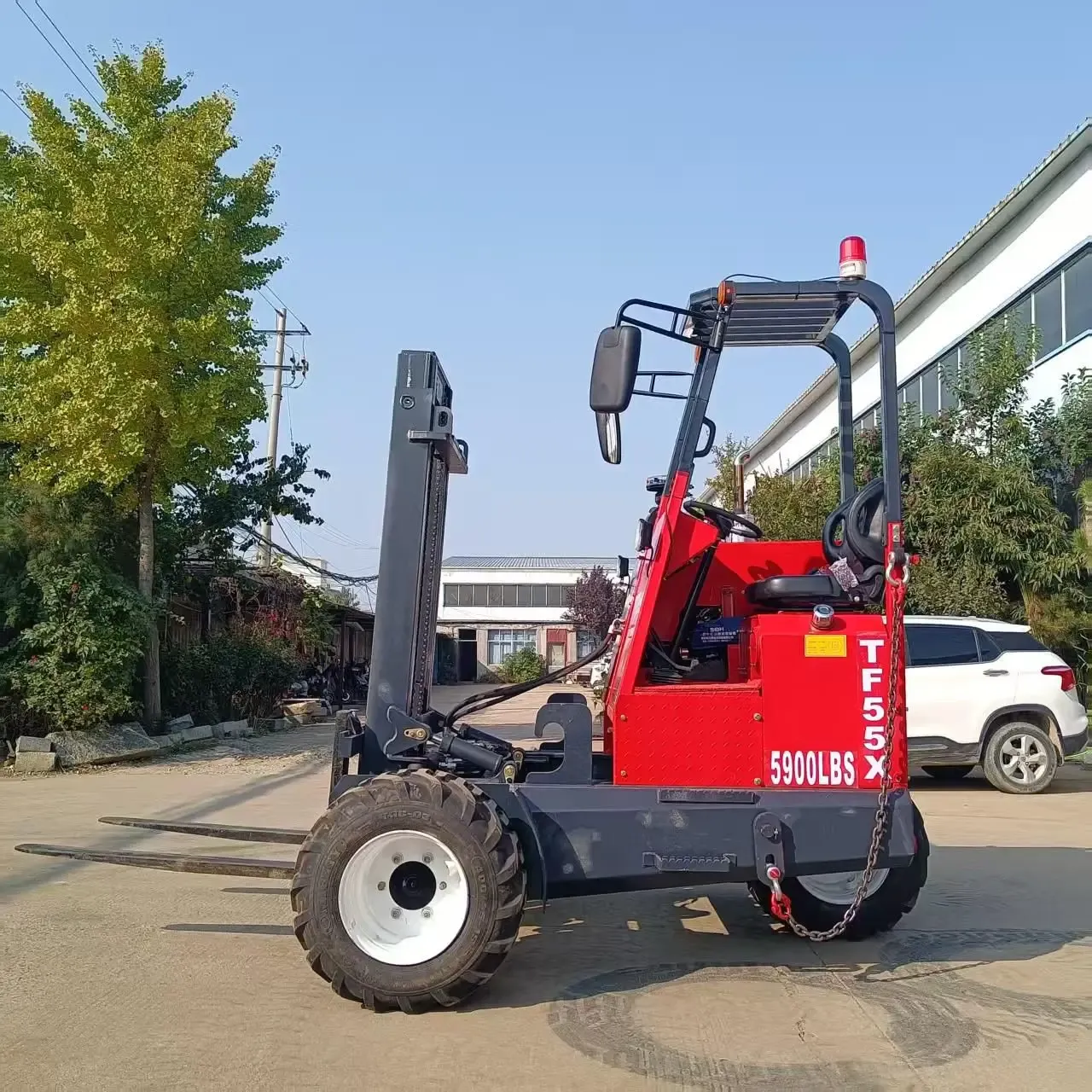
The electric truck-mounted forklift is a new type of rough-terrain piggyback forklift we recently developed, and it is characterized by being environmentally friendly and low in energy consumption. It is mainly composed of a motor, a battery, a lifting mast, the body, and a hydraulic system.
The main parameters of this electric forklift are:
- Truck-mounted rough-terrain forklift
- Rated capacity: 2000 kg
- Lift height: 3000 mm
- Fork length: 1070 mm
- Gradeability: 10% / 20%
- Lithium battery: 51.2V / 400Ah
- CURTIS control system
- Solid rubber tires; vehicle stability system
- Retractable mast; dual-action mast lift/reach
- EPS (electric power steering); OPS (operator presence system)
- Truck power connection; truck mounting/securing system
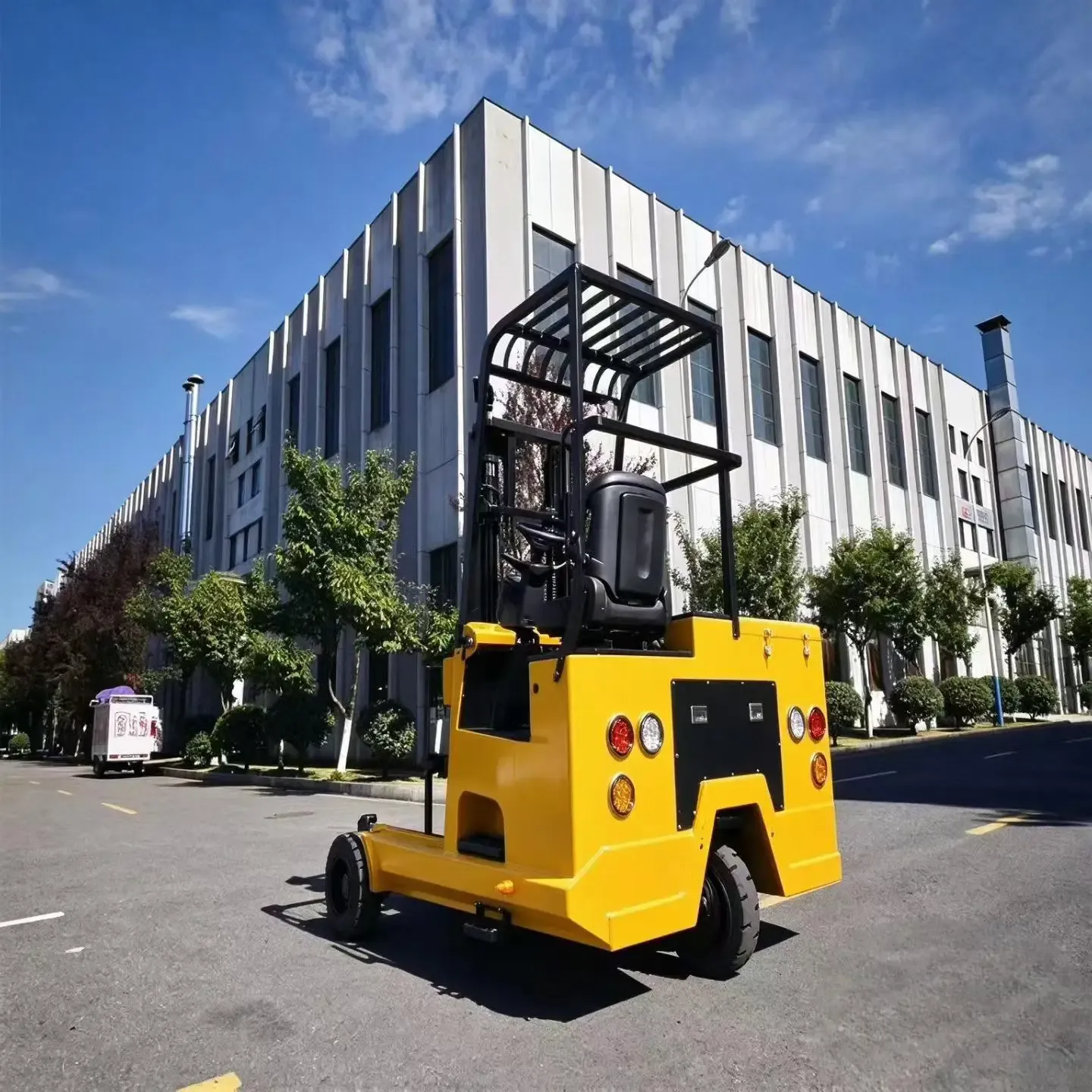
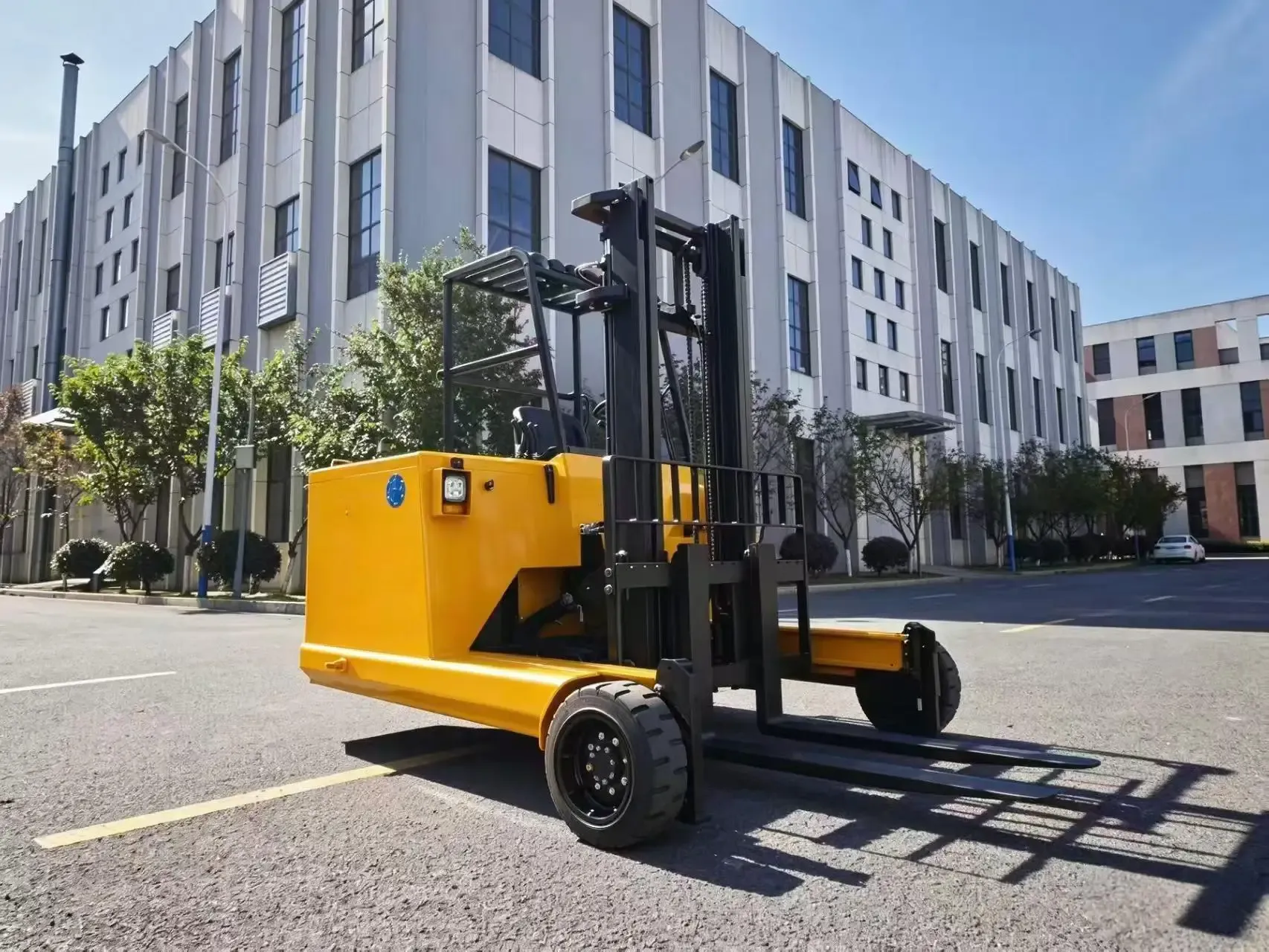
This forklift uses a large-capacity lithium battery that supports fast charging and long runtime. It uses the Curtis controller, a well-known American brand, which is highly energy-efficient, stable, and easy to install. The EPS system makes operation flexible, with a simple and stable structure and low energy consumption. The OPS system and the truck mounting system ensure safe forklift operation. At the same time, this electric forklift also has off-road capability, and it is eco-friendly with excellent value for money.
Forklift TCO Calculation
When buying a machine, you should not only look at the initial purchase cost of the forklift, but also consider their total cost, including energy consumption costs and maintenance costs.
Calculated according to US energy prices and 264 working days per year, the one-year energy consumption cost is as follows:
Item | 2-ton diesel piggyback forklift | 2-ton electric piggyback forklift |
|---|---|---|
Energy unit price | US$6.20 - $6.28 / gallon | US$0.087 - $0.098 / kWh |
Energy consumption per hour | 3 L (about 0.79 gallons) | 4 - 5 kWh |
Cost per 8-hour day | US$39.31 - $39.82 | US$2.78 - $3.92 |
Annual energy cost (264 days) | US$10,378 - $10,511 | US$735 - $1,035 |
Annual saving: an electric forklift saves about US$9,343 - $9,776 compared with a diesel forklift each year.
5-year forklift TCO = forklift price + energy cost (fuel or electricity) + maintenance cost. Assuming that the electric piggyback forklift and the diesel model have the same price and the same maintenance cost, it will save you at least US$46,000 over five years. In particular, with the development of Chinese forklift technology, the price of electric forklifts has already caught up with, or even fallen below, that of internal combustion forklifts.
If you want to know the price of a piggyback forklift, contact us. We are a professional forklift manufacturer, and our main products include diesel forklifts, electric forklifts, piggyback forklifts, and reach trucks.
Diesel Truck-Mounted Forklift vs Electric Piggyback Forklift
The comparison between a diesel piggyback forklift and the electric version is obvious. The main difference lies in the form of power and energy consumption, and this leads to different advantages between them.
Item | Diesel piggyback forklift | Electric piggyback forklift |
|---|---|---|
Forklift type | Diesel rough-terrain forklift | Electric rough-terrain forklift |
Power output | Engine, powerful | Motor, smooth power delivery |
Runtime | All day | 8 hours |
Maintenance | Complex and costly; requires regular replacement of oil and air filters | Simple structure, easy maintenance, low cost |
5-year TCO | High cost | Saves you at least $46,000 |
Emissions | Sulfides and particulates pollute the air | Zero emissions, eco-friendly |
Applications | Outdoor scenarios | Outdoor and indoor scenarios |
Import and export standards | Restricted; must meet specific national standards such as EPA and Euro 5 | No restrictions; can be imported into most countries |
The comparison between these two truck-mounted forklifts is almost the same as the comparison between diesel forklifts and electric forklifts. Due to their construction, diesel forklifts have powerful performance and high off-road capability, but their fuel consumption cost is high, their emissions pollute the environment, and importing them into Europe and the United States requires meeting standards such as EPA or Euro 5. Electric forklifts deliver smooth power, have low electricity energy costs, and their emissions comply with EPA, Euro, and similar standards. It seems that the electric rough-terrain forklift is the trend, but the operating habits of forklift operators also need to be taken into consideration.
Want to know how to import a forklift from China? Read our guide to importing a forklift from China - it is all you need.
FAQ
Q1: How much weight can a piggyback forklift lift?
3,300 lbs to 8,000 lbs.
Q2: What is the best piggyback forklift?
At present, the mainstream choice is diesel piggyback forklifts, and there are well-known brands. For the electric version, you can try searching for Senchi.
Q3: How can the working efficiency of an electric piggyback forklift be improved?
You can customize a large-capacity forklift battery, adopt a shift-work system, and customize a fast charger for the electric forklift.
Conclusion
The diesel and electric piggyback forklifts have the same functions. However, they differ in energy consumption, emissions, operation, and TCO cost. The diesel piggyback forklift has powerful performance, but its emissions pollute the environment and its TCO cost is relatively high; the electric forklift delivers smooth power, and its TCO is lower than that of a diesel forklift, and it is environmentally friendly. You can choose the right forklift type according to your budget and preferences.