Diesel Forklifts
What are the advantages of electric forklifts? Compared to diesel forklifts
Electric vs diesel forklifts: zero emissions, under 75 dB noise, energy at 10-30% of fuel cost, simpler maintenance, and where diesel still wins.
Introduction
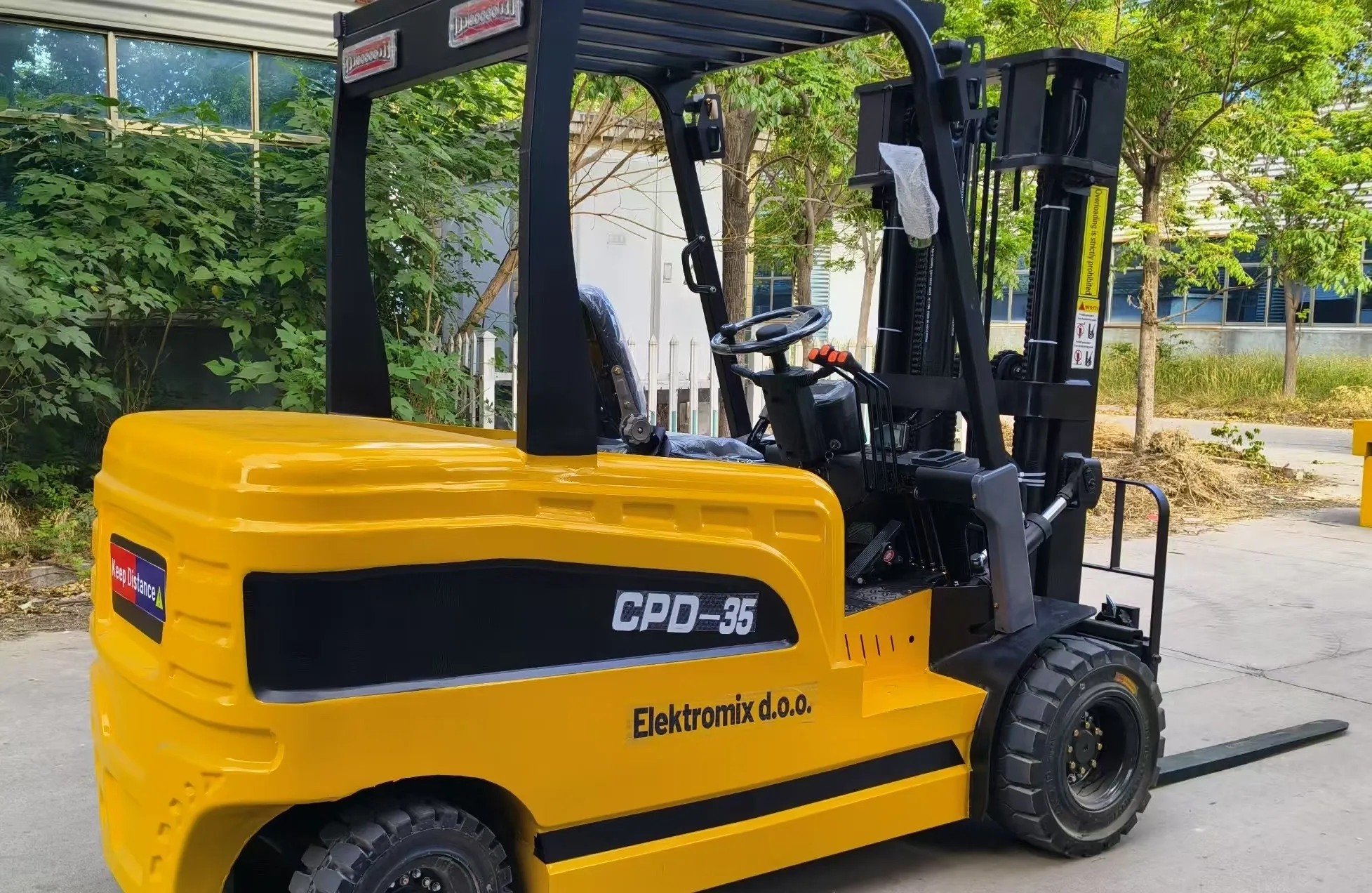
The advantages of an electric forklift over a diesel one come down to four measurable differences: emissions, noise, energy cost, and maintenance complexity.
Emissions are zero, which is why electric trucks dominate food, pharmaceutical, electronics, and cold chain operations where air quality is regulated. Noise runs well under 75 dB against 80 dB or more for a diesel, which reduces operator fatigue and opens up night-time and urban operation. Electricity typically costs 10 to 30 percent of diesel for the same work, depending on duty cycle and local tariffs.
Maintenance is the fourth difference. An electric truck has no engine oil, oil filter, fuel filter, air filter, spark plugs, or transmission service, so the service focus shifts to the battery, motor, controller, and hydraulic system. Fewer parts means shorter service visits and less unplanned downtime.
Diesel still wins where it always has: continuous high-intensity work, rough terrain, and all-day runtime without charging. Electric wins on operating cost, indoor air quality, and precision control, which is why most warehouse operations now run electric.
We have consolidated the full comparison, including the component-level cost breakdown and the selection method, into one guide.