Sep 25, 2026Electric Forklifts
Common Electric Forklift Problems and Repair Guide
Learn about common electric forklift faults and how to repair them. This guide covers hydraulic system issues, motor and controller errors, battery problems, steering and braking failures etc.
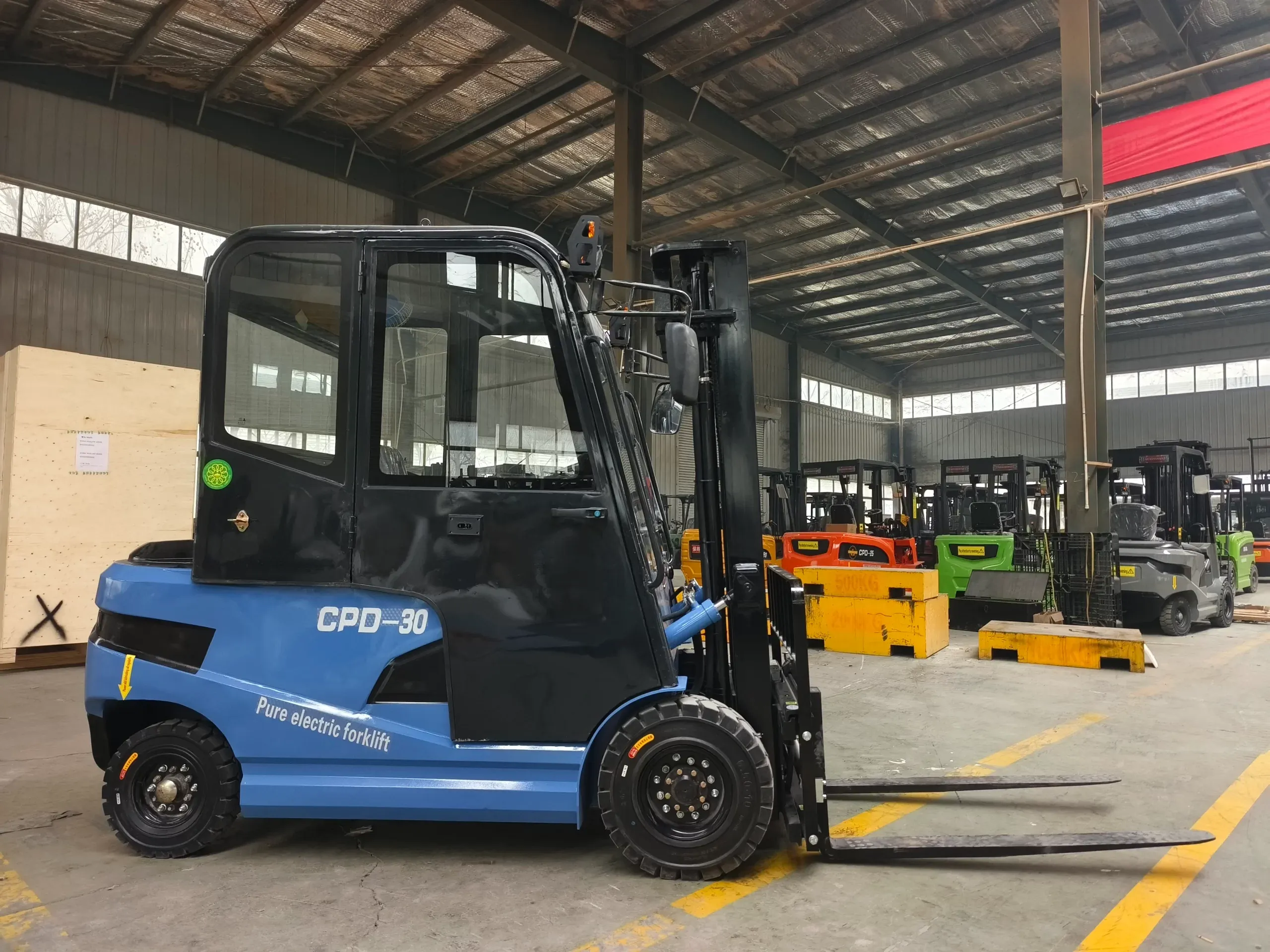
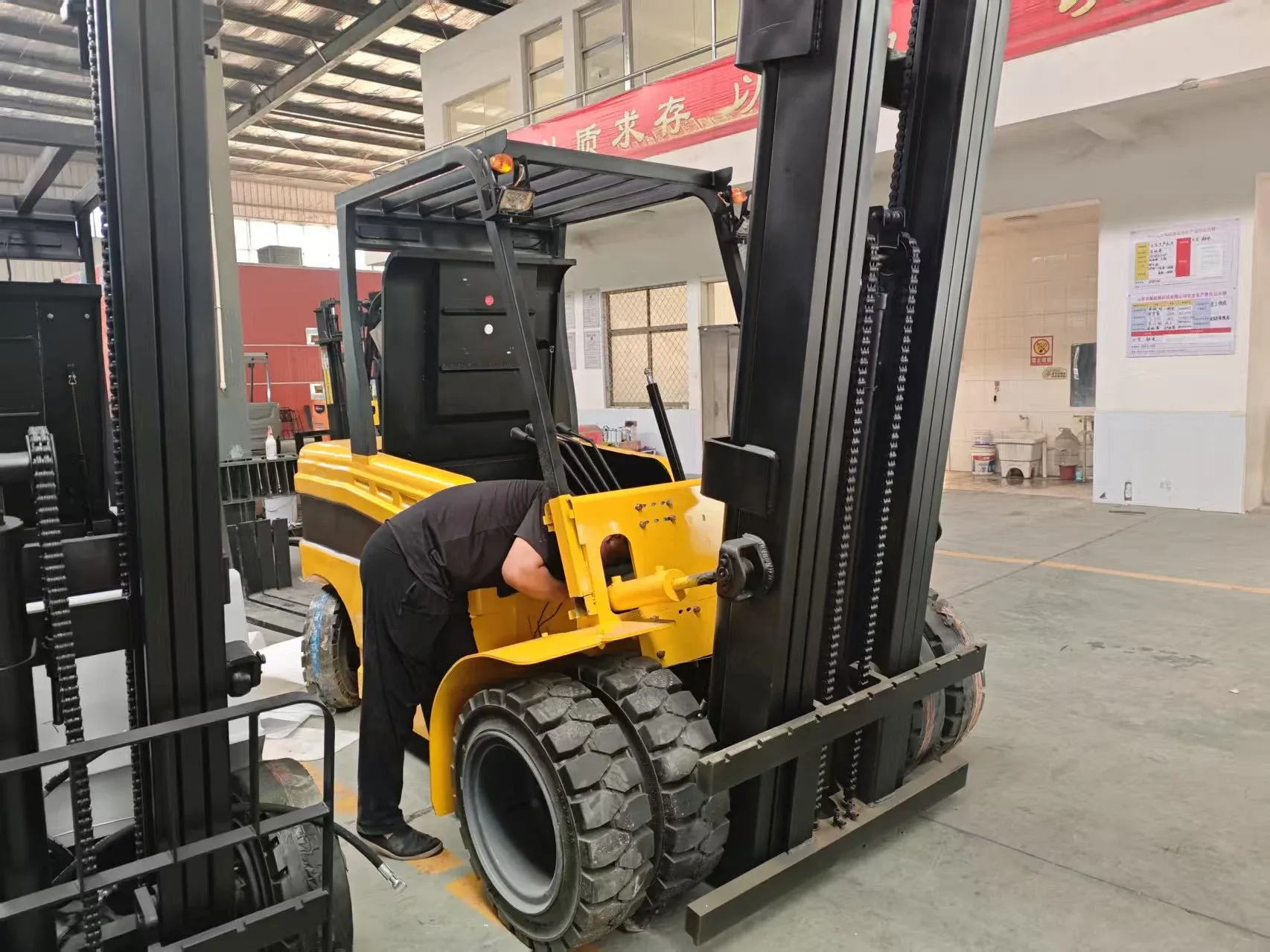
When you have already purchased an electric forklift, it is normal to encounter faults during use. The main components of an electric forklift include the hydraulic system, motor, controller, and battery, so faults generally occur in these areas. Because the structure of an electric forklift is relatively simple compared with a diesel forklift, its repair is also easier.
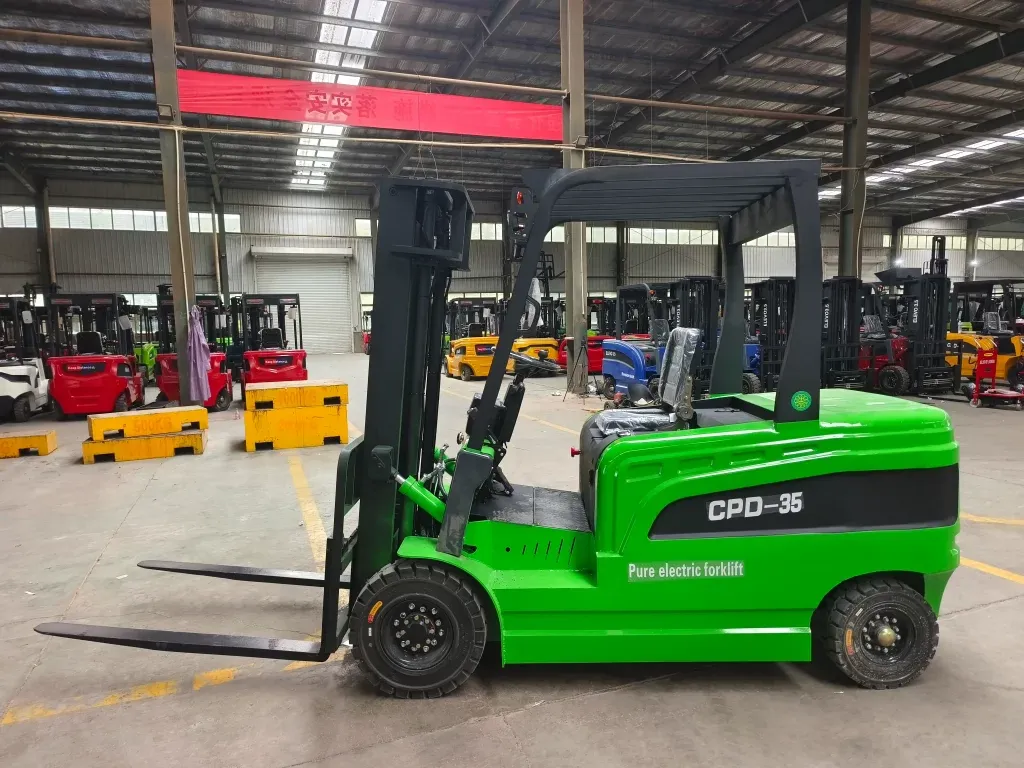
1. Hydraulic System and Mechanical Component Failures
Weak Lifting: Hydraulic oil contamination (particles exceeding the ISO 18/15 standard) can cause pump valve sticking. The hydraulic oil needs to be replaced.
Electric Forklift Oil Leaks:
- Check whether the cylinder or valve has an internal leak caused by aging seal rings. It is recommended to replace them every 2,000 hours. Manufacturers usually provide seal rings of different sizes as accessories.
- Check the entire hydraulic pipeline. This is usually caused by the hydraulic pipe hitting sharp objects during operation, resulting in rupture and leakage.
Mast Abnormal Noise: Insufficient chain lubrication or damaged roller bearings are the main causes. Lubricating oil should be added every month.
2. Motor and Controller Failures: Potential Causes of Power Interruption
Motor Overheating: When continuous operation exceeds 4 hours or the load exceeds 10% above the rated capacity, the motor temperature may exceed 90°C (the manufacturer's safety threshold), triggering overheating protection and shutdown.
Controller Error Codes: Common fault codes such as E05 (overcurrent) and E09 (communication fault) are mostly caused by short circuits or moisture in the control board. Check the waterproof sealing. If the controller is damp, you can try using a hair dryer for 10-20 minutes to remove the moisture.
When the motor or controller has a problem, you can take a video and send it to the electric forklift manufacturer to confirm the fault. If damaged, within the warranty period, the manufacturer can send replacement parts. If the warranty has expired, you can also purchase and have them shipped from the manufacturer, then install them under guidance. If there is a local dealer or repair shop, you can ask them for help directly.
3. Battery System Failures: Core Causes of Range and Charging Issues
The battery is the main part of an electric forklift. It can be divided into lead-acid batteries, lithium batteries, and hybrid batteries. The following uses lead-acid batteries as an example:
Battery Capacity Decay: The cycle life of a lead-acid battery for an electric forklift is usually around 3,000 cycles. If the range drops sharply after 2-3 years of use, check whether the battery has reached the end of its life. When the battery is scrapped, you can directly purchase a new battery from the original forklift manufacturer. You can also customize a new electric forklift battery by sending the battery type, voltage, capacity, peak discharge, and battery compartment dimensions to the manufacturer.
Charging Abnormality: When the charger output voltage is unstable (normal range is 60V ± 2V) or the battery cell voltage difference is greater than 0.5V, it can cause overcharge or undercharge, leading to heating or sulfation.
Poor Contact: Oxidation or loosening of battery terminals can cause voltage fluctuations, shown as abnormal battery level display on the dashboard. Regular cleaning and application of an antioxidant are required.
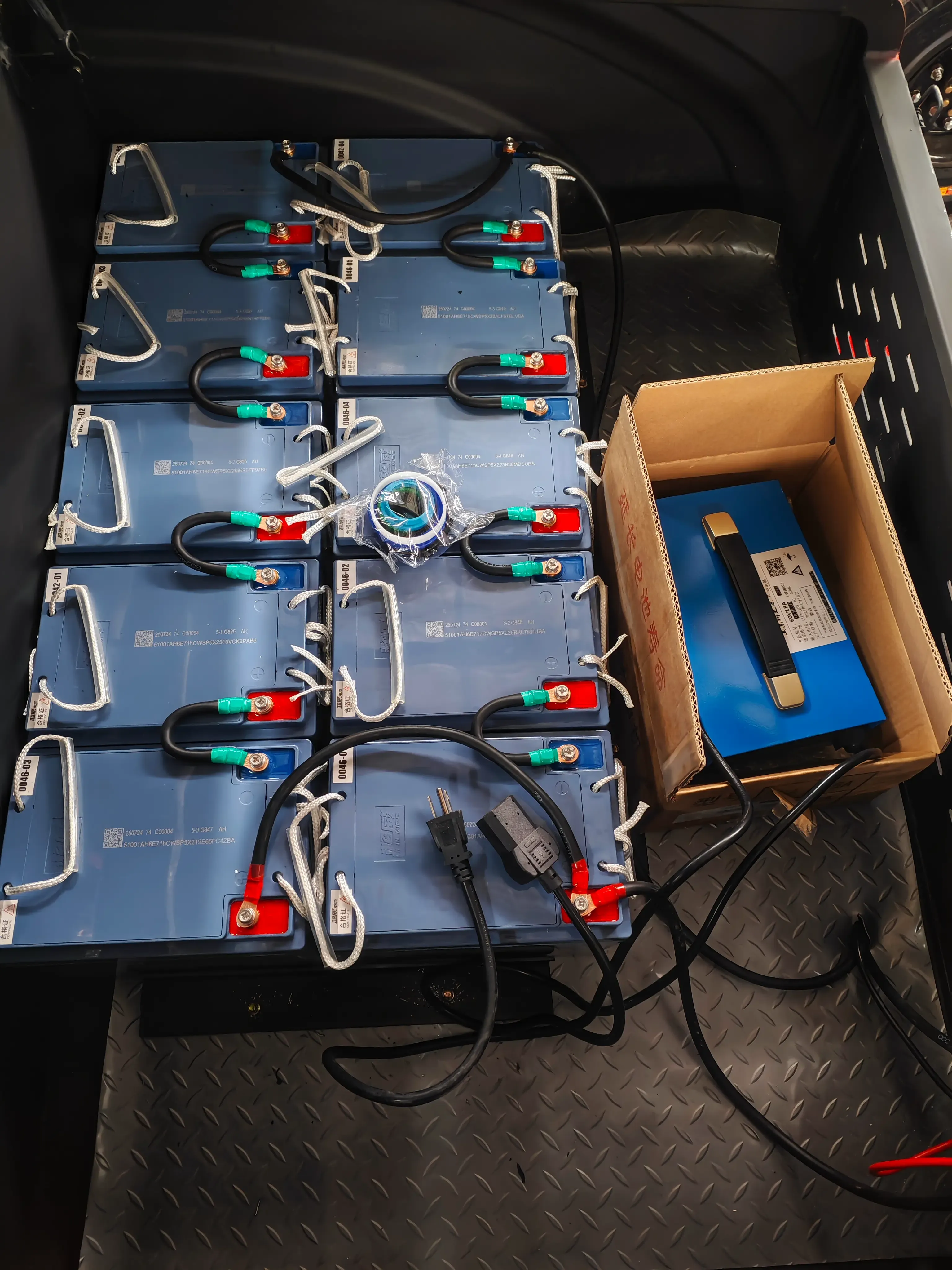
To learn more about electric forklift battery repair and maintenance, you can read this article.
4. Steering and Braking System Problems
Heavy Steering Wheel: First check whether the steering motor (rated torque is usually 25-30 N·m) has phase loss. Then check the hydraulic power steering oil level.
Brake Failure: For mechanical brakes, the friction pad thickness must be replaced when it is less than 3mm.
When regenerative braking fails, energy recovery efficiency drops by more than 40%.
5. Preventive Maintenance Recommendations (Based on Failure Rate Statistics)
- Check battery liquid level and tire pressure before daily operation (standard values: front wheel 3.5 bar / rear wheel 4.0 bar).
- Replace the hydraulic oil filter every 500 hours to avoid impurity blockage (failure rate can be reduced by 60%).
- Establish a temperature monitoring record. When the motor or controller operating temperature exceeds 70°C, stop the machine and cool it down.
Conclusion
Do not be afraid of electric forklift faults. Because the structure of an electric forklift is simple, repair and maintenance costs are very low. Common faults include hydraulic oil leaks, controller faults, and battery faults. As long as you follow the guidance of the electric forklift manufacturer, more than 90% of problems can be solved. We are a professional electric forklift manufacturer. If you want to buy an electric forklift or consult about electric forklift issues, you are welcome to contact us.