Oct 9, 2026Electric Forklifts
How to Reduce Warehouse Operating Costs?
How to reduce warehouse operating costs: where the money goes on space, labor and equipment, plus 5 strategies - layout, labor, energy, electric forklift configuration, and importing from China.
Introduction: Why Do Warehouse Operating Costs Keep Rising?
Rising labor costs, rental pressure, and growing energy expenses keep pushing warehouse operating costs up. At the same time, with the global economy in a downturn, reducing warehouse costs is one of the key ways for a business to improve its operating efficiency and profit margin. As an important part of supply chain management, the warehouse involves storage, transport, and inventory management, and a cost increase in any one of those links affects the overall result. So how do you systematically reduce warehouse operating costs without sacrificing service quality?
It is worth noting that the purchase and operation of warehouse forklifts account for a very large share of warehouse operating costs. This article starts from the cost structure, including how indoor forklifts are selected and operated, and lays out 5 practical strategies you can put to work.
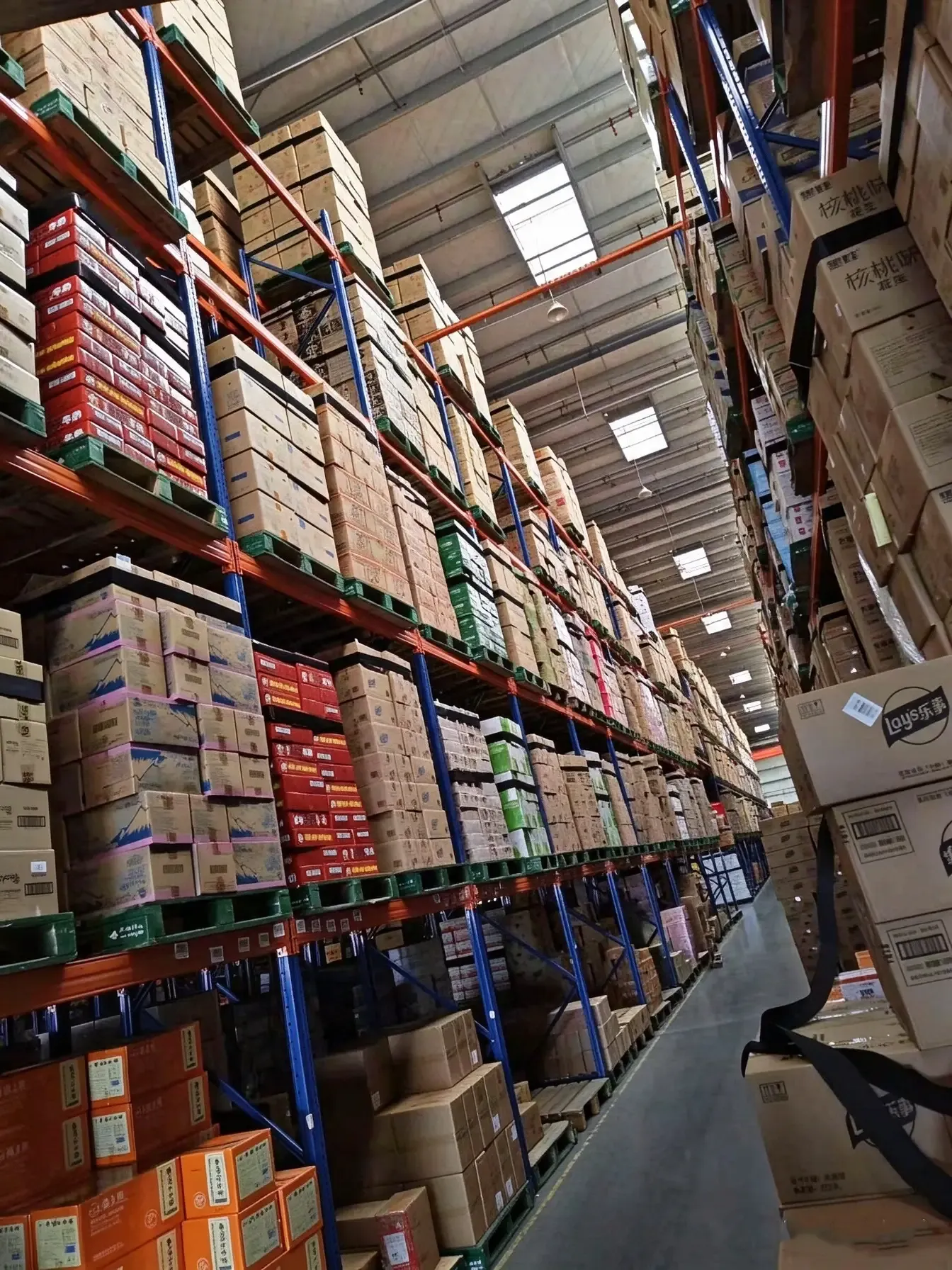
Quick Answer
Warehouse operating costs come down to three parts:
- Site costs
- Labor costs
- Equipment costs
So reducing site costs, reducing headcount, and reducing the amount of equipment will bring operating costs down.
The core practices for reducing warehouse operating costs include optimizing inventory management (for example, using a WMS to improve inventory turnover), improving warehouse space utilization, introducing automated and intelligent equipment, refining workforce allocation and training, reducing energy consumption, and cutting waste through process standardization and continuous improvement, including configuring the right material handling tools such as forklifts. Together, these measures can significantly cut spending across the five major areas of inventory, space, labor, equipment, and error costs.
Forklifts are among the most frequently used material handling tools in a warehouse. Choosing the right equipment for your warehouse can effectively improve space utilization and reduce forklift purchase costs and energy consumption, which in turn lowers operating costs.
Main Components of Warehouse Operating Costs
A quick breakdown of where warehouse operating costs come from, as the basis for the strategies that follow:
- Labor costs: wages and staffing, usually about 35% of operating costs
- Space costs: warehouse rent, about 30%
- Equipment and energy costs: the purchase and maintenance of forklifts, conveyor lines, and other equipment, plus spending on lighting, refrigeration, heating, and other energy use, about 30%
- Other costs: about 5%
These are typical proportions. You can work out the actual breakdown from your own warehouse's operating costs.
5 Strategies to Reduce Warehouse Operating Costs
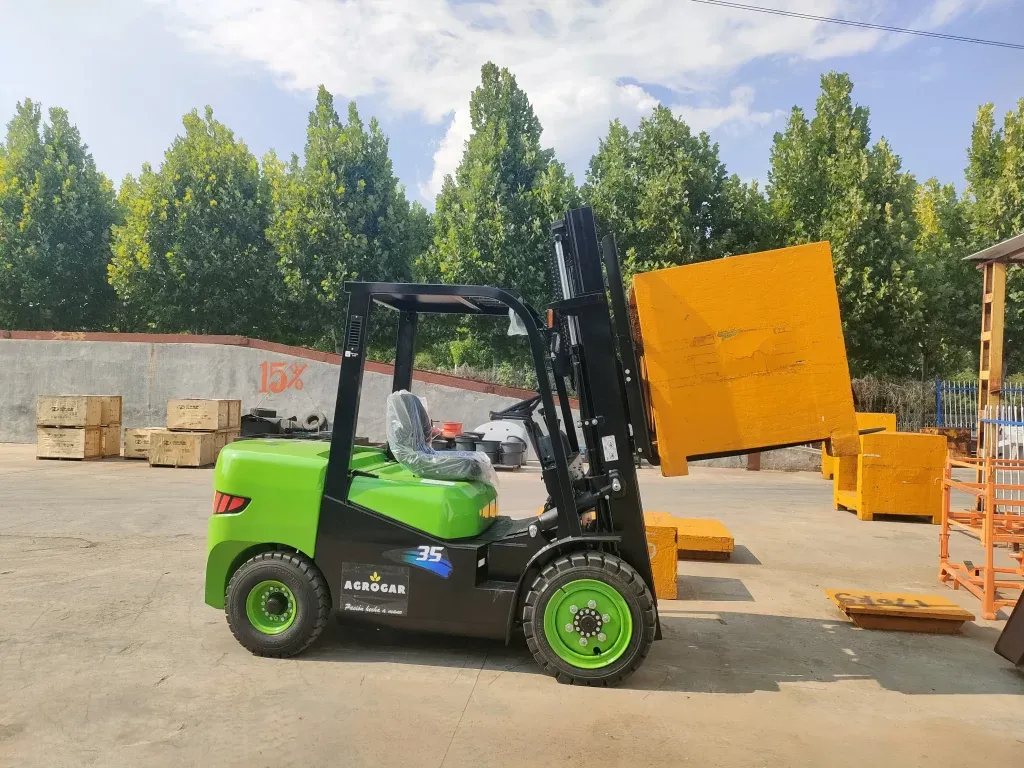
There are many strategies for reducing warehouse operating costs, but cutting costs by ensuring forklift operation and forklift quality is something many companies keep coming back to. Because forklifts have a high unit price, whether you are a large enterprise, an SME, or a startup, the purchase is a decision you have to make, and it affects your warehouse layout, energy costs, and future upgrades.
Strategy 1: Optimize Warehouse Layout and Space Utilization
- Core logic: space is the most expensive resource in a warehouse, so raising the output of every square meter is the primary lever for cost reduction.
Specific methods:
- ABC classification: measure the whole facility and lay it out sensibly. Place fast-moving A-class items closest to the shipping dock.
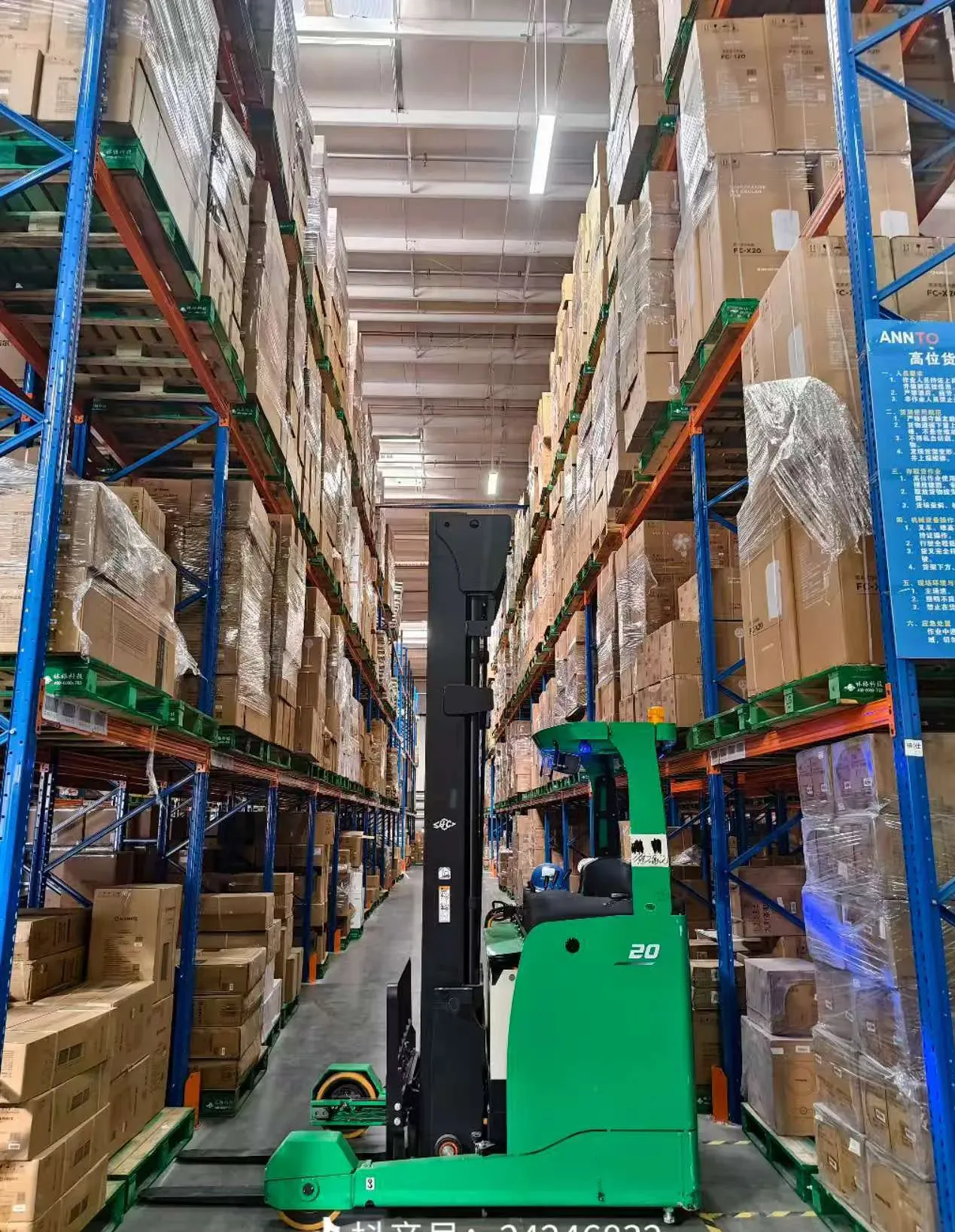
- Vertical space utilization: use high racking and narrow-aisle technology to raise space utilization to 3-5 times that of a traditional warehouse. For example, switching from electric forklifts to warehouse reach trucks, combined with high-bay or double-deep racking, can hold 3-5 times the goods of an ordinary warehouse.
Strategy 2: Refined Labor Cost Management
From the cost analysis above, labor at about 35% is the largest controllable expense. But reducing costs is not the same as cutting staff: it means enabling every person to work more efficiently while staying safe and compliant.
Specific methods:
- AI-driven labor demand forecasting: use historical data to predict picking and packing workloads for each shift, so you can schedule precisely and avoid idle labor in quiet periods and understaffing in busy ones. This can reduce labor planning costs by about 20%.
- Task-level time analysis: track the actual time each task takes, identify inefficient steps, and redeploy labor to high-value work. This can reduce labor spending by about 25%.
- Human-machine collaboration ratio: when introducing AMRs (autonomous mobile robots), research shows that the best efficiency comes at roughly a 2:1 ratio of robots to pickers, so more robots is not always better.
Skills and safety training: regular skills and safety training for warehouse staff effectively raises work efficiency and prevents losses caused by accidents, which reduces hidden accident costs. Training forklift operators in skills and safety, for example, improves their efficiency and safety awareness, which is in effect another way of reducing warehouse operating costs.
Strategy 3: Energy Cost Control
Lighting, refrigeration and heating, and forklift charging are the big energy consumers in large warehouses, and technical upgrades plus management optimization can significantly reduce electricity bills.
These costs depend on the type and size of the warehouse. In other words, small and medium warehouses may see less obvious savings, so you need to assess your own warehouse size and existing equipment and choose the methods that fit you.
Specific methods:
- Lighting upgrades: replace traditional tubes with energy-saving LED tubes. In a large warehouse this alone can save millions of kilowatt-hours a year. SHEIN, for example, replaced its warehouse lighting with 9-watt energy-saving tubes and saved more than 9 million kWh per year, cutting energy costs by over USD 890,000.
- Cooling system optimization: for example, replace industrial air conditioning with industrial permanent-magnet ceiling fans and floor fans, or use negative-pressure fans for air supply and ventilation. More energy-efficient cooling equipment can cut your electricity bill by at least 30%.
- Rooftop solar plus storage: use the warehouse's large roof area for solar panels. Using just 20% of the roof area can meet the warehouse's annual electricity demand and reduce grid electricity consumption by up to 67%.
- Digital energy management: large warehouses can deploy an energy management system to monitor equipment power use by area in real time, with automatic alerts for anomalies.
- Forklift charging and maintenance costs: lithium-battery forklifts, with higher conversion efficiency and greater energy density, can lower electricity costs.
Strategy 4: Configure the Right Warehouse Forklift Fleet
From the strategies above it is not hard to see that both the space-utilization strategy and the labor-cost strategy depend on optimizing your warehouse forklift configuration.
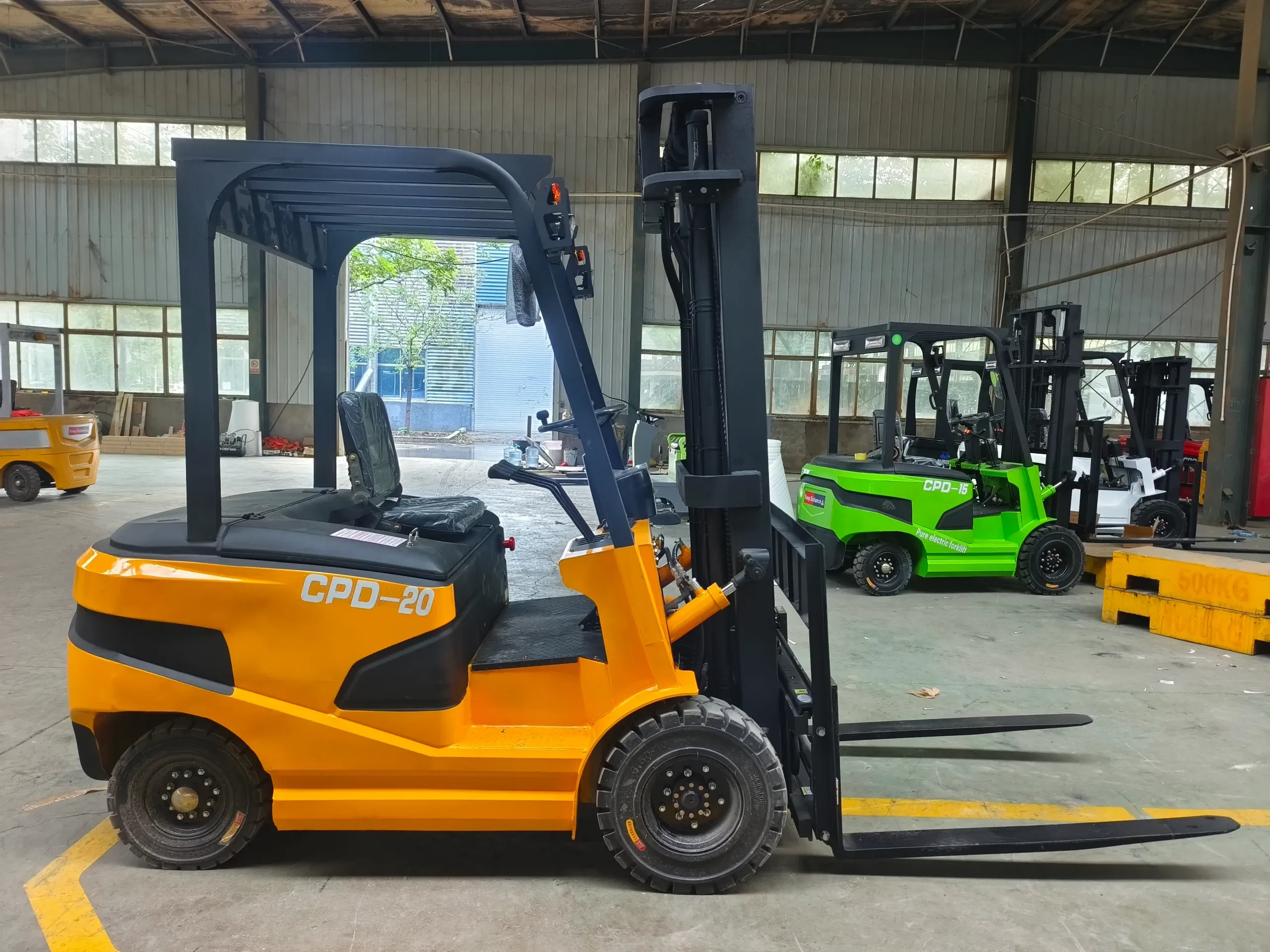
That should come as no surprise. Forklifts are among the tools most often used in a warehouse, mainly divided into internal combustion forklifts, electric forklifts, and stackers. They carry almost all of the daily handling work and are one of the heavy assets a company purchases. Whether you are small, medium, or large, when you buy a forklift you always have to weigh the purchase cost and the energy consumption cost. Choosing the right forklift model will definitely raise the efficiency of your warehouse work and reduce your spending.
Specific methods:
- Replace internal combustion forklifts with electric forklifts: when a diesel or LPG forklift reaches the end of its service life, buy an electric one instead to lower the entry threshold, the energy costs, and the maintenance costs. With advances in electric forklift technology, electric forklifts are already cheaper than internal combustion forklifts, and since they run on electricity, electricity costs less than fuel. Their structure is also simpler and easier to maintain. Looking at forklift TCO, where full life-cycle cost equals forklift price plus energy cost (electricity, fuel, or gas) plus maintenance cost plus management cost (insurance, disposal, and so on), a stable and energy-efficient electric forklift is clearly better than a more expensive diesel or LPG forklift that burns more fuel. Electric forklifts also produce no emissions, so they are fully suitable for indoor warehouses and level outdoor areas.
- Choose the right tonnage and model: based on the weight of your goods and your rack height, use the load chart provided by the forklift manufacturer to select the right tonnage. There are many types of electric forklifts, including electric counterbalance forklifts, electric stackers, and electric reach trucks. Choose the right type according to your warehouse layout, rack height, and minimum aisle width. For example, use 3-wheel electric forklifts and electric reach trucks in narrow aisles to increase rack density and raise space utilization. If you do not know how to choose the right tonnage and forklift type, this 2026 guide to forklift classification and selection is all you need.
- Customize the right functions: customizing from the manufacturer can improve your work efficiency, for example a higher-capacity battery for longer runtime, or fast charging to shorten charging time for lithium-battery forklifts.
- Shift operation: the downside of electric forklifts is limited range. Buying multiple units for shift work improves work efficiency, and keeping a spare battery ready keeps the work flowing.
- Intelligent management: electric forklifts make intelligent management easier. Forklift fleet management and warehouse intelligence are closely linked.
Strategy 5: Import Forklifts from China
As Chinese forklift manufacturing technology has improved, many forklift factories produce machines that are both high in quality and low in price. By the fourth quarter of this year, Chinese forklift exports had grown by 22% over last year. When your competitors are using Chinese-made forklifts to lower their costs, you should consider customizing the right machine from a Chinese forklift manufacturer too.
Specific methods:
- Import forklifts from China: import cost-effective electric forklifts from Chinese brands such as Senchi. The process is: send your requirements; the manufacturer confirms them; pay a 30% deposit by T/T transfer or platform transfer; the manufacturer completes the machine; pay the balance; the manufacturer ships; then customs clearance and collection. Not sure how to import a forklift? Read how to import an electric forklift from China, which is all you need.
Conclusion and Action Checklist
Reducing warehouse operating costs takes systematic progress across space, labor, energy, and technology, not a single breakthrough. Forklifts are the transport tool of the warehouse, and both their purchase cost and their energy cost are closely tied to warehouse operating costs. Pay attention to forklift TCO, choose high-quality electric forklifts, select the right tonnage and lift height, and match your minimum aisle width, and that is already half the battle in warehouse operations.
FAQ
Q1: Which part of warehouse cost reduction shows results fastest?
Choosing electric forklifts and buying electric forklifts from China, either of which can greatly reduce operating costs.
Q2: Does a small warehouse need automation as well?
Not necessarily. Start with layout optimization and process standardization, and consider automation only when business volume grows beyond what manual work can handle.
Q3: How do I calculate the return on investment of warehouse automation?
Combine the benefits from four areas, labor savings, improved space efficiency, fewer errors, and higher throughput, and compare them against the total cost of ownership (TCO).