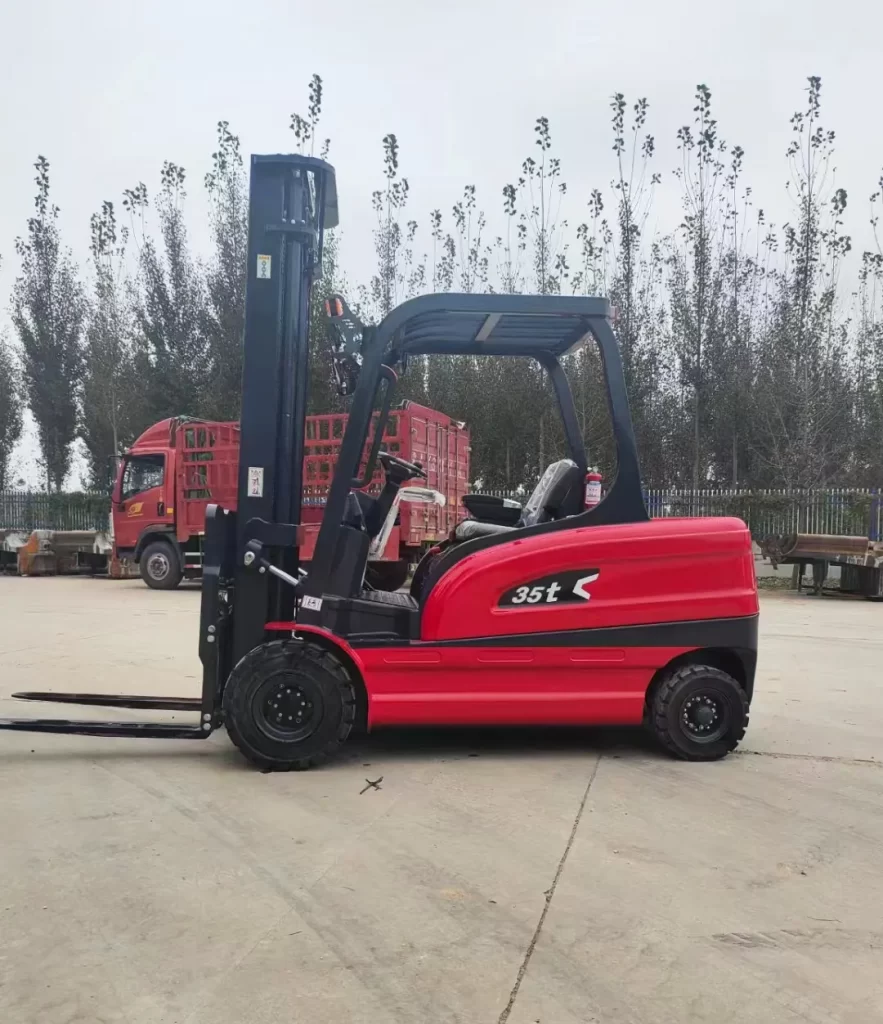
Winter Maintenance Essentials: Ensuring Electric Forklifts Perform Optimally in Cold Conditions
During winter, daily forklift maintenance and cleaning become more critical than in other seasons. Cold weather can lead to mechanical failures and corrosion, making it especially important to keep forklifts clean and in good working order. This article delves into winter electric forklift cleaning methods and precautions to help keep operations running smoothly through the cold months.
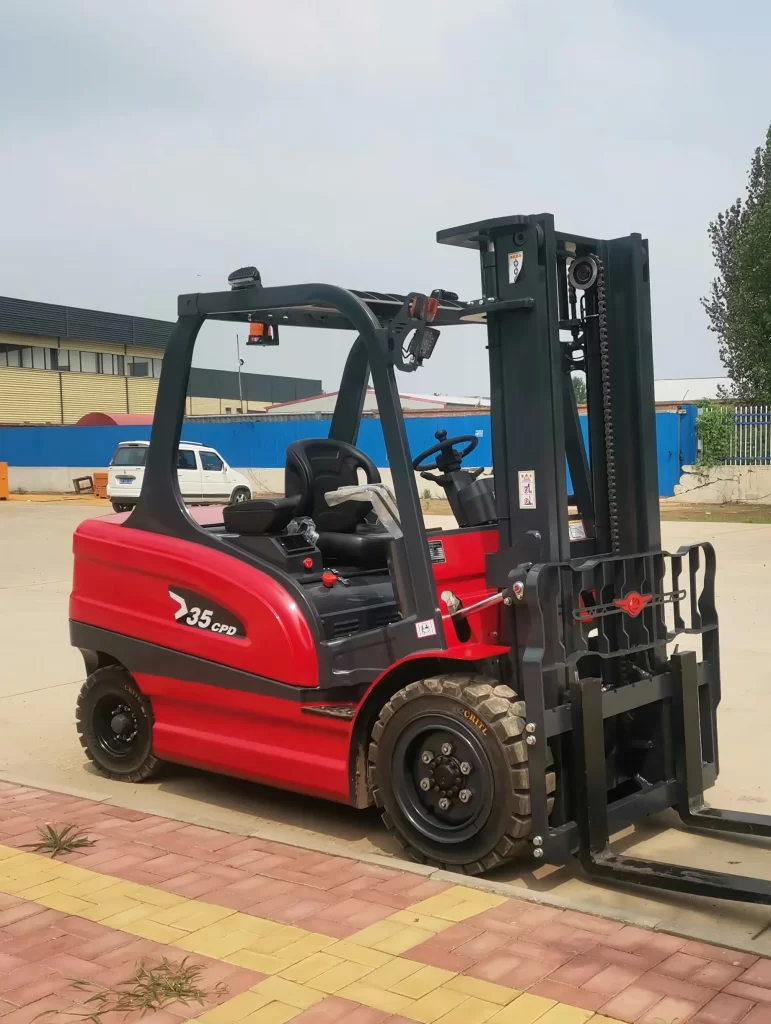
Daily Inspection Items for Electric Forklifts in Winter
1. Preparatory Work
Before beginning cleaning, first ensure the forklift is in a safe state. Park the forklift on a flat, unobstructed area and ensure it is not in contact with any flammable materials. Turn off the forklift and disconnect the power supply to avoid any potential hazards.
2. Electric Forklift Body Cleaning
Winter weather can cause ice buildup or residue on the body surface, necessitating regular cleaning. Wipe the body surface with a soft cloth and mild detergent. Avoid using abrasive materials or harsh chemical cleaners to prevent paint damage. For hard-to-reach areas like wheels and pedals, use a long-handled brush for cleaning.
3. Motor and Transmission System
The motor and transmission system are critical components requiring special attention and cleaning. Use professional motor cleaners and transmission system cleaners to effectively remove grease and deposits while protecting these parts from corrosion. After cleaning, immediately dry all components with a clean cloth, ensuring no residual liquid or dirt remains.
4. Electric forklift Battery and Charging System
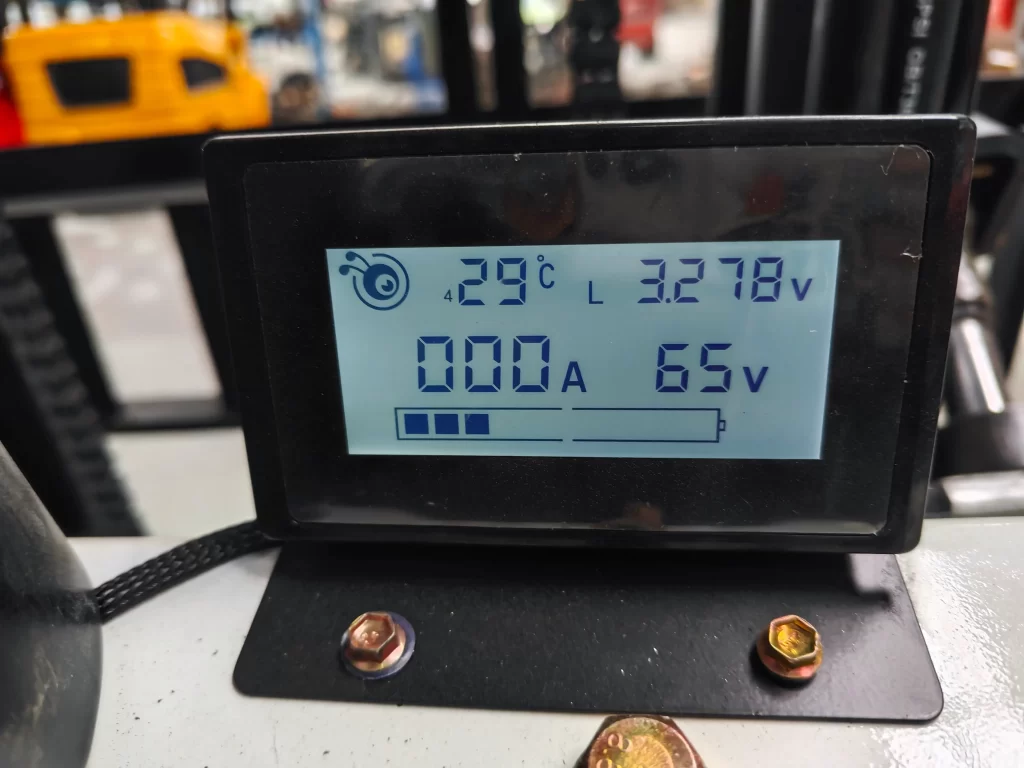
Winter temperatures may affect battery performance, necessitating special attention to battery cleaning and maintenance. Wipe the battery surface with a professional battery cleaner and check the electrolyte level. Replace old electrolyte if necessary. Simultaneously, inspect the charging system’s wiring and connectors for cleanliness and secure connections to prevent malfunctions.
The optimal operating temperature range for lead-acid batteries is 20°C to 25°C, where battery performance, capacity, and charge/discharge efficiency are maximized. It is important to note that lead-acid batteries exhibit reduced discharge capacity in low temperatures, which is a normal phenomenon. Lead-acid batteries require regular charging to prevent deep discharge. Periodically check the electrolyte level and seals, maintain battery cleanliness, and charge regularly to avoid self-discharge and over-discharge.
Lithium iron phosphate batteries in lithium-ion forklifts have a relatively wide operating temperature range, typically recommended between -20°C and 80°C. While functional in cold conditions, performance is significantly impacted. When temperatures drop below -20°C, the electrolyte viscosity increases, slowing lithium-ion diffusion and causing a significant capacity reduction—potentially to only 50%-70% of room-temperature capacity. Low temperatures also lower the discharge platform, leading to unstable output voltage, which may cause malfunctions in equipment with strict voltage requirements. Timely charging of lithium-ion forklifts is equally important.

5. Tires and Wheels
Maintaining clean tires and wheels is equally crucial. Wipe tire surfaces with mild soapy water or specialized tire cleaners, avoiding harsh chemicals or bleach that may damage the rubber. Inspect wheels for rust or damage and address any issues promptly.
6. Antifreeze and Lubricants
Winter increases demand for antifreeze and lubricants, necessitating regular checks of their levels and performance. Using professional-grade antifreeze and lubricants effectively protects the motor and transmission system from cold weather impacts. Additionally, regularly replace engine oil and filters to ensure the lubrication system functions properly.
7. Preventing Ice and Water Accumulation
In cold weather, forklifts may experience ice buildup and water accumulation, which can impair vehicle performance. Therefore, after cleaning the forklift, immediately dry all components with a clean cloth, ensuring no residual moisture or dampness remains. If possible, apply a layer of antifreeze or specialized anti-freeze spray to the vehicle body to prevent ice and water accumulation.
8. Hydraulic System
The hydraulic system is a crucial component of electric forklifts. Its operation primarily involves hydraulic pumps, cylinders, and piping. The hydraulic pump generates pressure through mechanical motion, forcing fluid into the hydraulic cylinder. This creates thrust within the cylinder, enabling the forks to rise or lower and lifting or lowering cargo. Hydraulic lines transmit hydraulic energy and regulate fluid flow, ensuring the system functions properly. Connections between these components are sealed with rubber gaskets to prevent hydraulic fluid leakage. During winter, when temperatures fluctuate significantly, it’s crucial to prevent rubber gasket deterioration and oil leaks. Regular inspection or replacement with high-quality gaskets is one solution to address hydraulic fluid leaks.
In summary, winter forklift cleaning is a critical maintenance task that helps maintain vehicle condition and prevent potential failures and hazards. During cleaning, attention to detail, use of professional cleaning agents and tools, and adherence to proper procedures are essential. Only through these measures can we ensure the reliable operation of electric forklifts during winter and extend their service life.