The Rise of Electric Forklifts in Sustainable Supply Chains
In recent years, the global industrial equipment sector has been undergoing a profound electrification transformation. This is not a short-term technological trend, but the inevitable result of multiple driving forces. As core equipment for logistics and material handling, forklifts are at the forefront of this transition. Behind this shift are both the macro push of global carbon-neutrality goals and the practical considerations of enterprises regarding operating costs and environmental responsibility.
Traditional internal combustion forklifts rely heavily on diesel or gasoline. They emit large amounts of carbon dioxide, nitrogen oxides, and other pollutants, negatively affecting warehouse environments. In addition, they suffer from high noise levels, high maintenance costs, and low energy efficiency. With the deeper implementation of the Paris Agreement, many countries have introduced stricter environmental regulations. For example, the European Union has proposed reducing industrial carbon emissions by 55% by 2030 compared to 1990 levels.
Forklifts, as high-frequency equipment used in factories, warehouses, and ports, are among the first to be electrified. At the same time, the widespread adoption of ESG (Environmental, Social, and Governance) principles has led more large enterprises to view green logistics as a key component of sustainable supply chain development. The zero-emission characteristics of new energy forklifts perfectly meet this demand, making them an important choice for companies to fulfill social responsibility and enhance brand image.
From an economic perspective, although the initial purchase cost of new energy forklifts is higher than that of traditional forklifts, their energy cost is only about one-third to one-half of internal combustion forklifts. Combined with lower maintenance costs and longer service life, their full life-cycle cost advantage is becoming increasingly evident, further accelerating market substitution. As a professional electric forklift manufacturer, we can provide you with high-cost-performance forklift solutions.
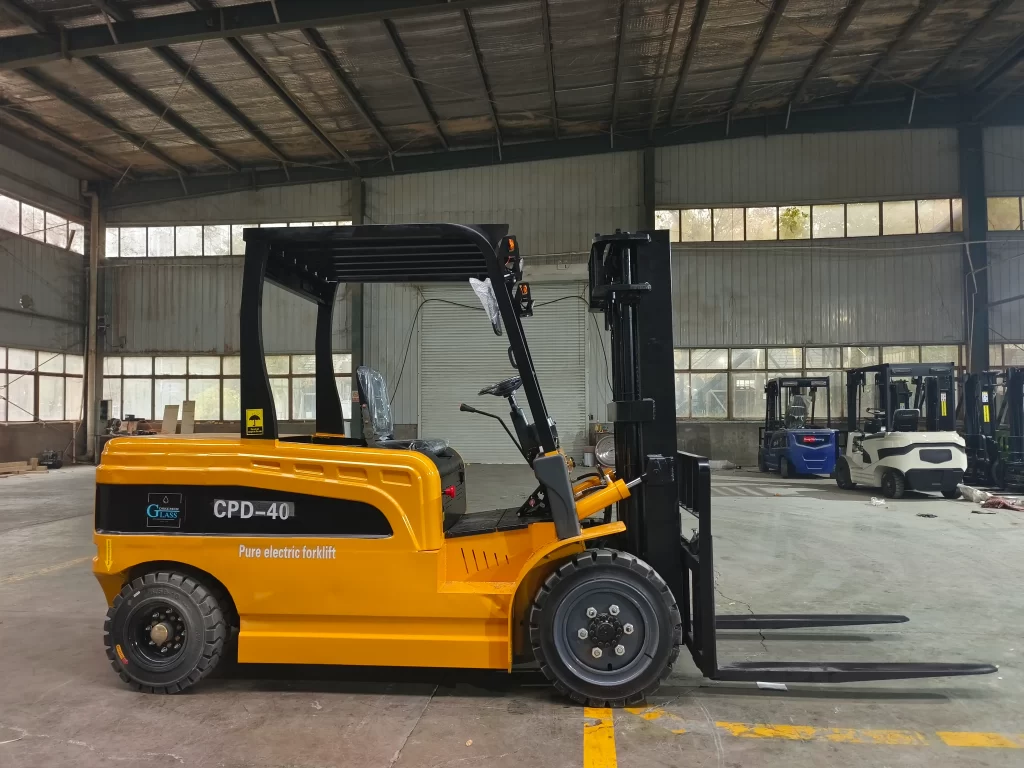
Core Technology Iteration and Competitive Landscape Reshaping of New Energy Electric Forklifts
The development of new energy forklifts is essentially driven by continuous breakthroughs and iterations in core technologies, which directly determine product performance boundaries and market competitiveness. In the power system field, advancements in battery technology are the key to the popularization of new energy forklifts.
Early lead-acid batteries, with low energy density (only 50–70 Wh/kg) and long charging times (8–10 hours), severely limited forklift endurance and operating efficiency. In contrast, lithium iron phosphate batteries, with high safety, long cycle life (over 3,000 cycles), and continuously declining costs, have rapidly become the mainstream configuration, currently accounting for over 80% of the market.
Since 2023, blade battery and CTP (cell-to-pack, module-free) technologies launched by companies such as CATL and BYD have increased battery system energy density to 180–200 Wh/kg. This has extended single-charge operating time from 4–6 hours to 8–10 hours, meeting all-day operation requirements. As an electric forklift manufacturer, we use CATL-grade battery cells and equip them with a BMS battery management system, enabling real-time monitoring of battery capacity, temperature, and health status.
Solid-state battery technology has also achieved breakthrough progress. Solid-state batteries developed by companies such as Toyota and QingTao have reached energy densities of up to 350 Wh/kg, and can maintain 90% capacity retention even in low-temperature environments of −20°C. These are expected to be commercially applied in the high-end new energy forklift sector by 2026, fundamentally solving low-temperature degradation and range anxiety.
In terms of drive systems, traditional DC motors have been replaced by high-efficiency permanent magnet synchronous motors. Motor efficiency has increased from 85% to over 97%, reducing energy consumption by 25%. Combined with intelligent torque control technology, forklift lifting speed and driving stability have been significantly improved.
These technological advancements have gradually compensated for the traditional disadvantages of electric forklifts. Compared with diesel forklifts, the gaps in endurance and load capacity are continuously narrowing. Therefore, the rise of electric forklifts in logistics supply chains is inevitable. If you are interested in electric forklifts, you can contact us directly.
Advantage 1 of Electric Forklifts: Intelligent and Unmanned Management
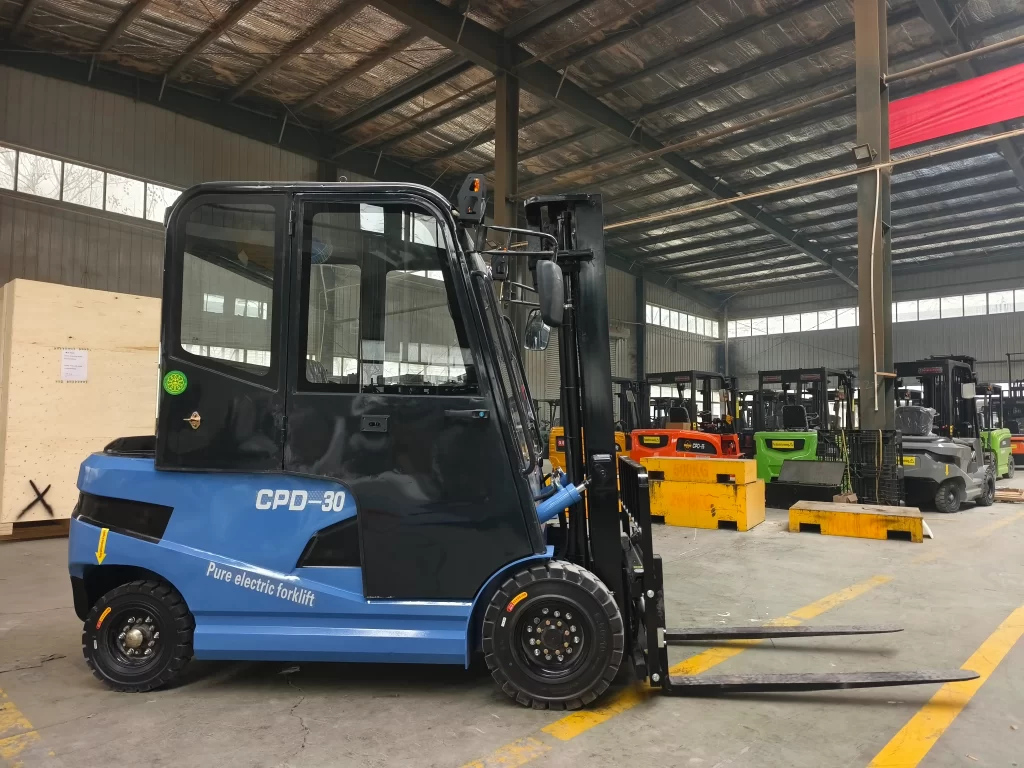
Electric forklifts enable intelligent management. Compared with diesel forklifts, they are easier to operate and can be integrated into unmanned electric forklift (AGV) systems and intelligent warehouse management as a unified solution. The intelligent transformation of new energy forklifts has moved from the concept verification stage to large-scale implementation.
The core lies in the integration of multi-sensor perception, edge computing decision-making, and high-precision execution systems. At the perception level, SLAM technology combining LiDAR and vision achieves centimeter-level positioning accuracy. Even in complex warehouse environments with drastic lighting changes or metal reflections, stable 3D mapping can still be achieved.
Unmanned electric forklifts will become a major trend in future warehousing.
Advantage 2 of Electric Forklifts: Diverse Types and Highly Customizable Functions
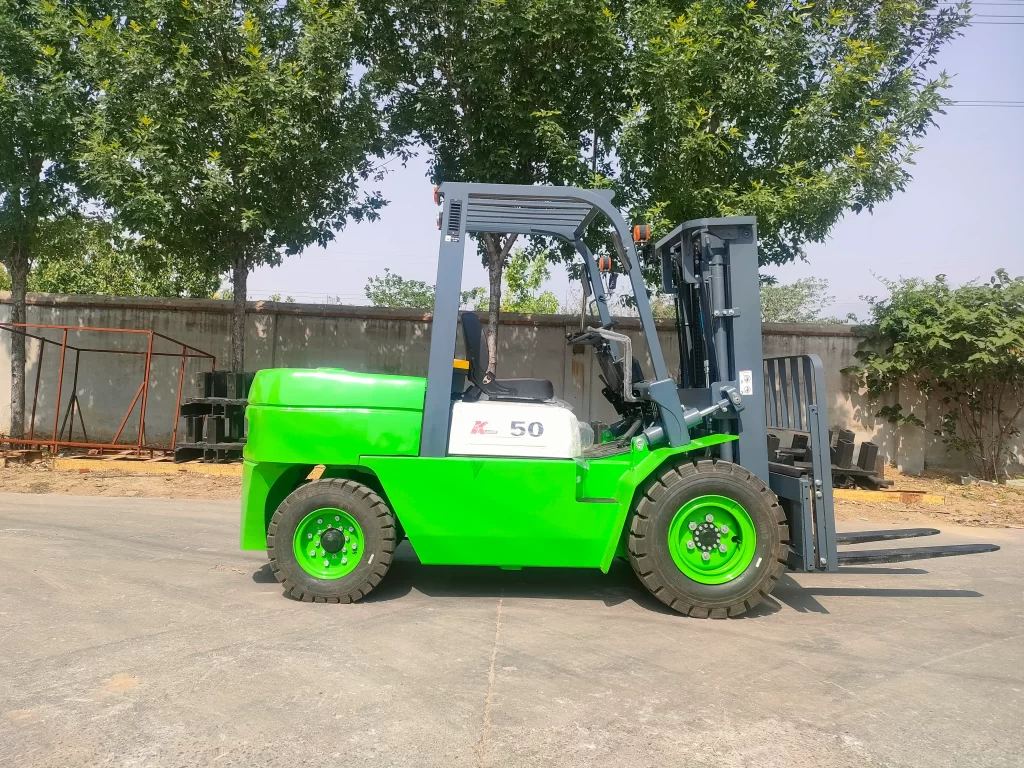
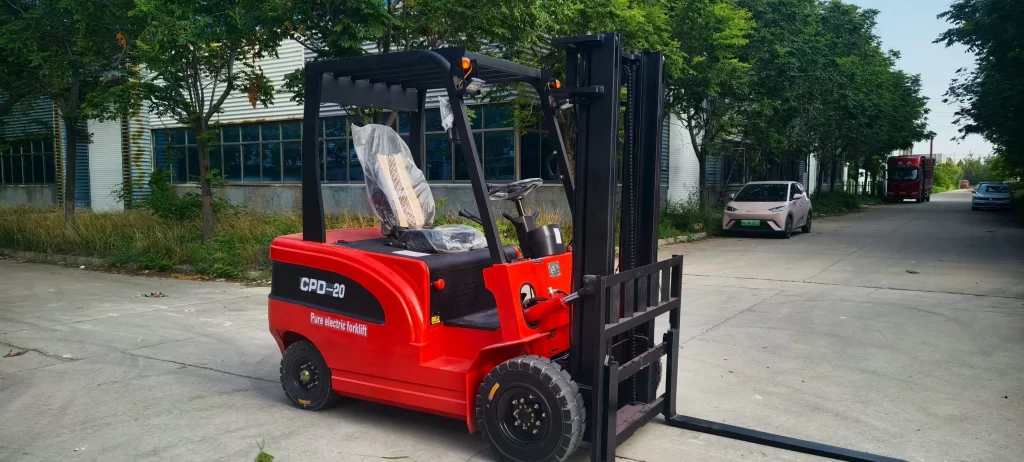
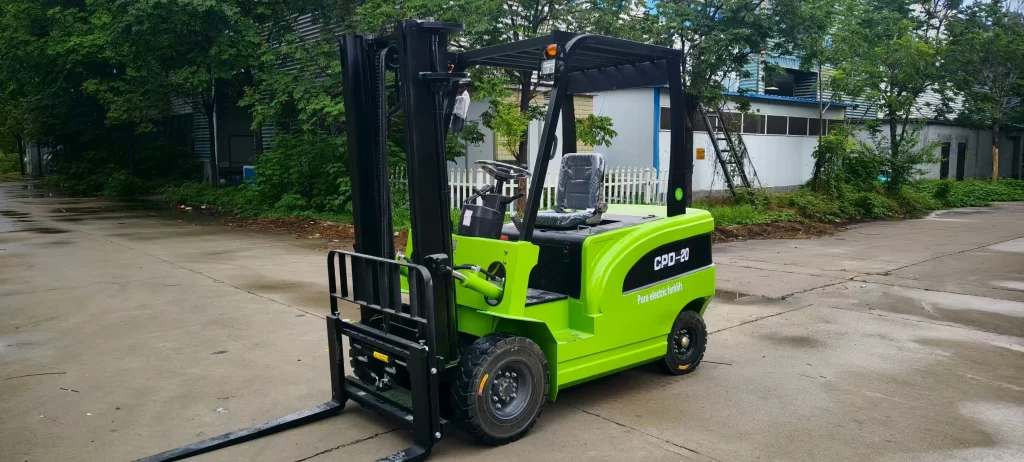
Electric forklifts are not only suitable for indoor use due to zero emissions, but also because of their wide variety. Customers can choose suitable electric material handling vehicles according to their warehouse conditions, budget, and operating methods.
- Walkie electric forklifts: Operators walk alongside the forklift to operate it.
- Stand-on electric forklifts: Operators stand on the forklift during operation.
- Sit-down electric forklifts: Operators sit inside the forklift cab.
- Electric pallet trucks: Mainly used for horizontal material handling.
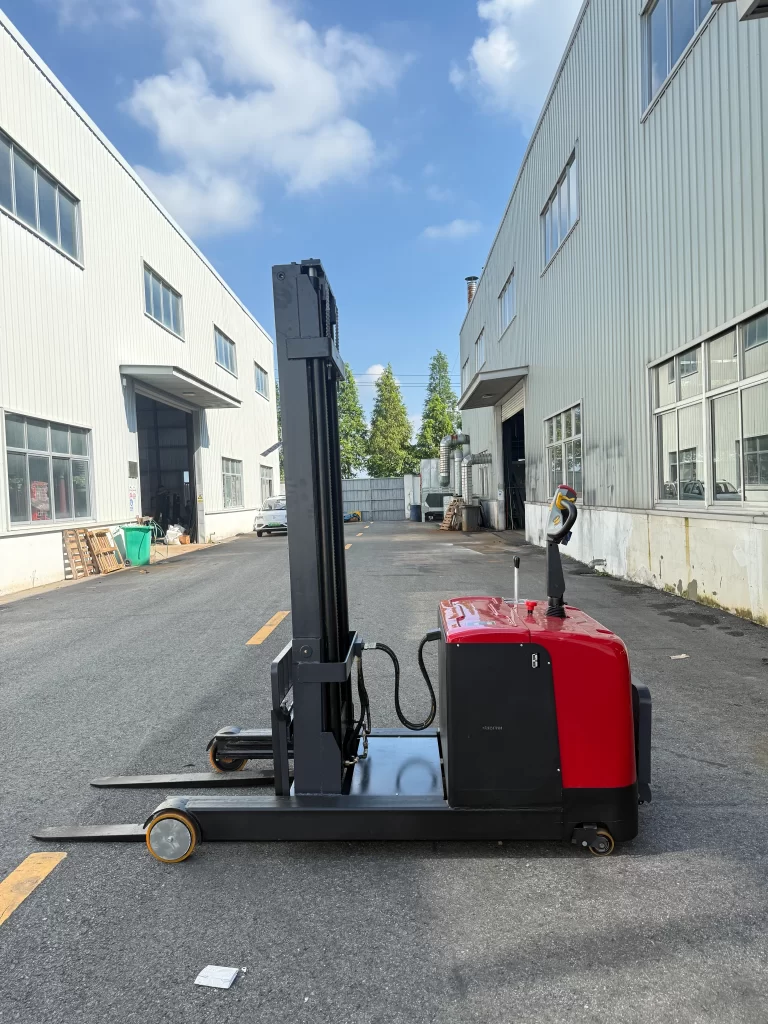
- Electric pallet stackers: Used for stacking and loading/unloading goods.
- Electric order pickers: Used to pick multiple SKUs to form a single pallet.
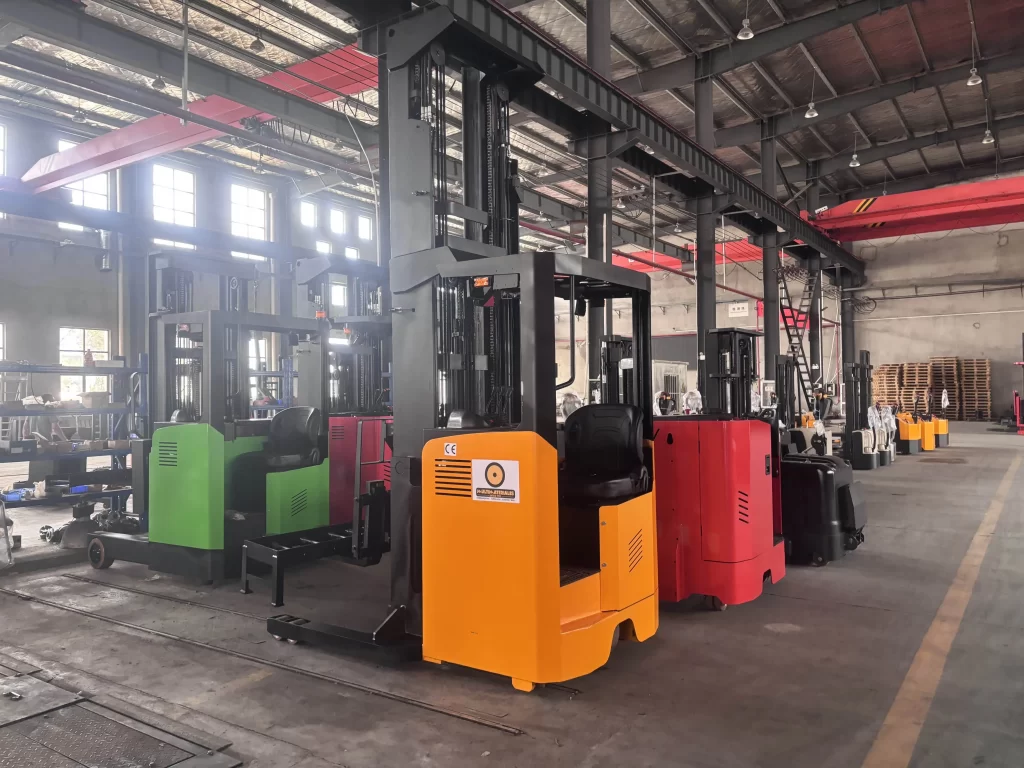
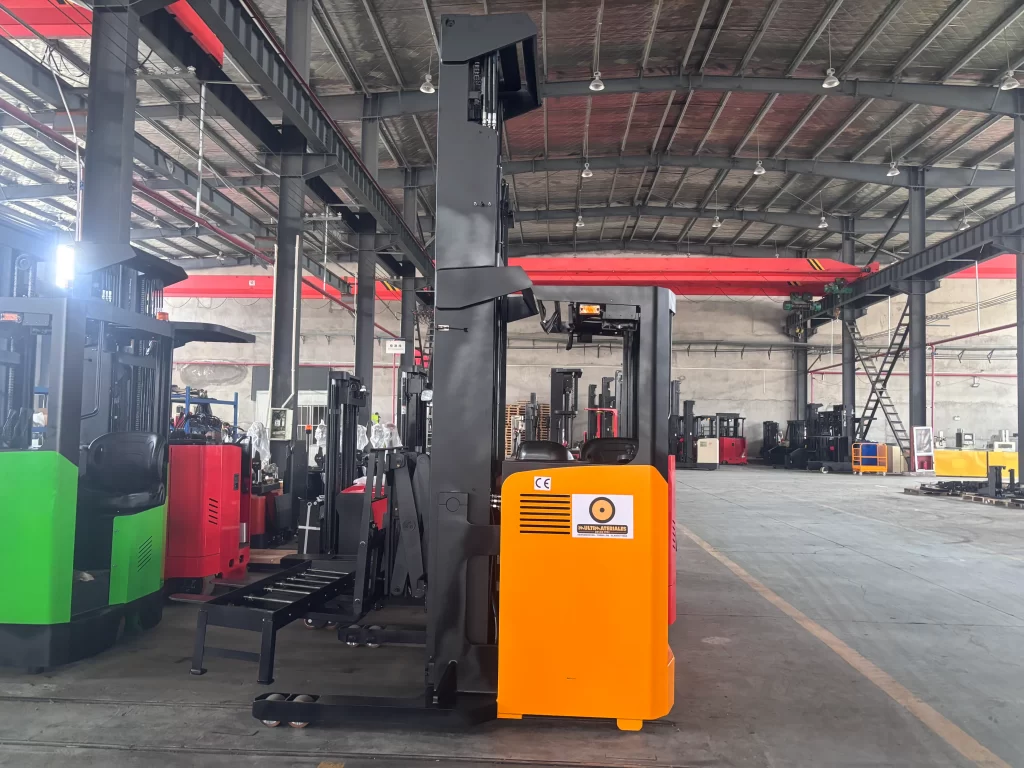
- Reach trucks: Electric forklifts with a large forward mast reach, featuring high lifting height and long fork extension, suitable for wider and higher operating ranges.
For example, for narrow-aisle warehouses, you can choose cost-effective electric stackers (1–3T capacity) for operations. Alternatively, you can choose high-end reach trucks for e-commerce warehouses to maximize warehouse space utilization. Both belong to narrow-aisle forklift solutions.
Conclusion
Electric forklifts are material handling equipment powered by electricity, and they are becoming increasingly important in modern warehousing and supply chains. With a wide range of electric forklift types available, you can contact us and describe your specific needs in detail. We will provide you with a one-stop logistics solution.