Different Types of Electric Forklifts and Their Applications
Electric forklifts hold a vital position in material handling equipment and logistics warehousing service centers. With their eco-friendly, energy-efficient, and high-performance characteristics, they are gaining increasing popularity in the warehousing and logistics industry. Various types of electric forklifts can adapt to diverse operational demands—from small warehouse handling to heavy industrial loading and unloading—while empowering businesses to reduce costs, enhance efficiency, and protect the environment, thereby boosting their competitiveness. So, what are the main types and applications of electric forklifts?
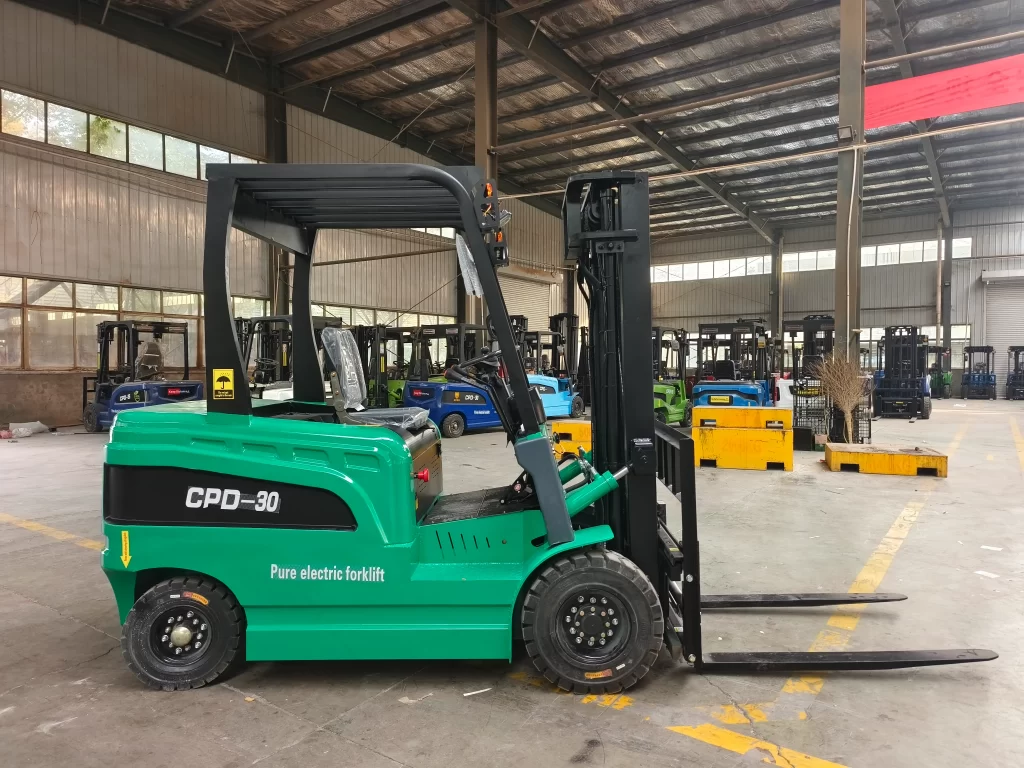
Electric forklifts are classified as special equipment because they meet the following criteria:
- Mast structure, 2. Fork assembly, 3. Self-propelled (diesel, electric, or other).
Therefore, even electric stackers fall under the forklift category if they possess these three features. Consequently, electric forklifts are designated as special equipment and cannot be categorized as electronic devices despite their battery power. All forklifts falling under the special equipment category require operators to hold a Special Equipment Operation Certificate.
Based on characteristics and applications, electric forklifts are categorized into three main classes: Class I, Class II, and Class III.
What are the different forklift types?
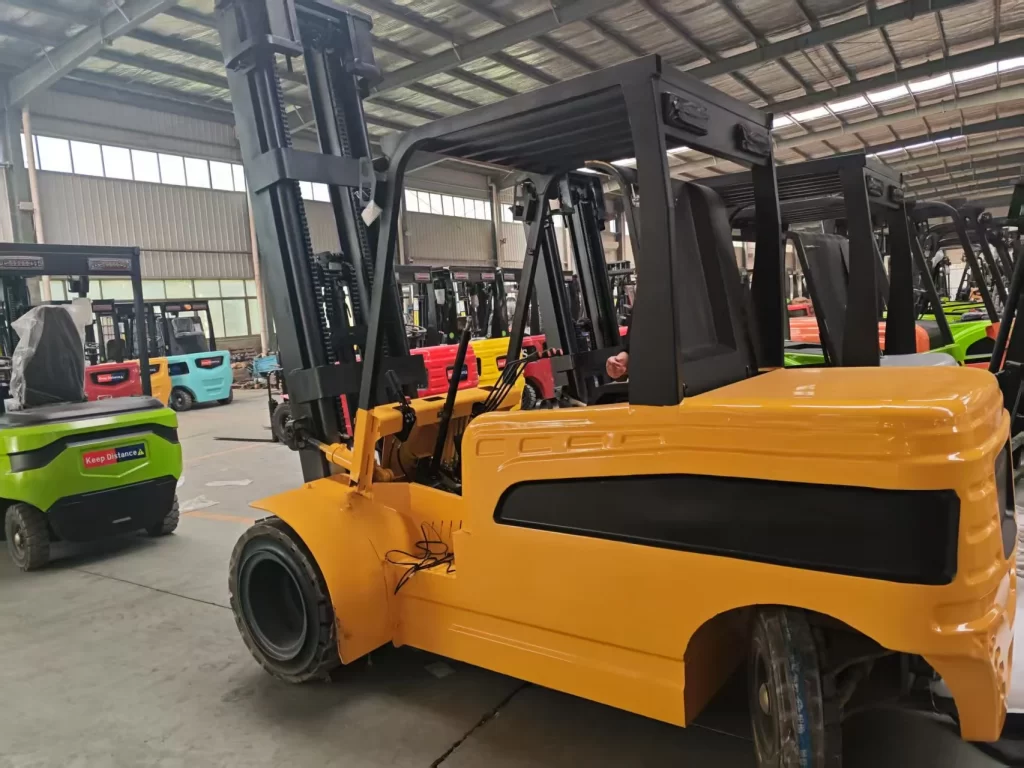
Class I: Electric Counterbalanced Forklift
Class II: Electric Narrow-Aisle Forklift
Class III: Electric Hand-Operated or Hand-Guided Forklift
Class I: Electric Forklifts
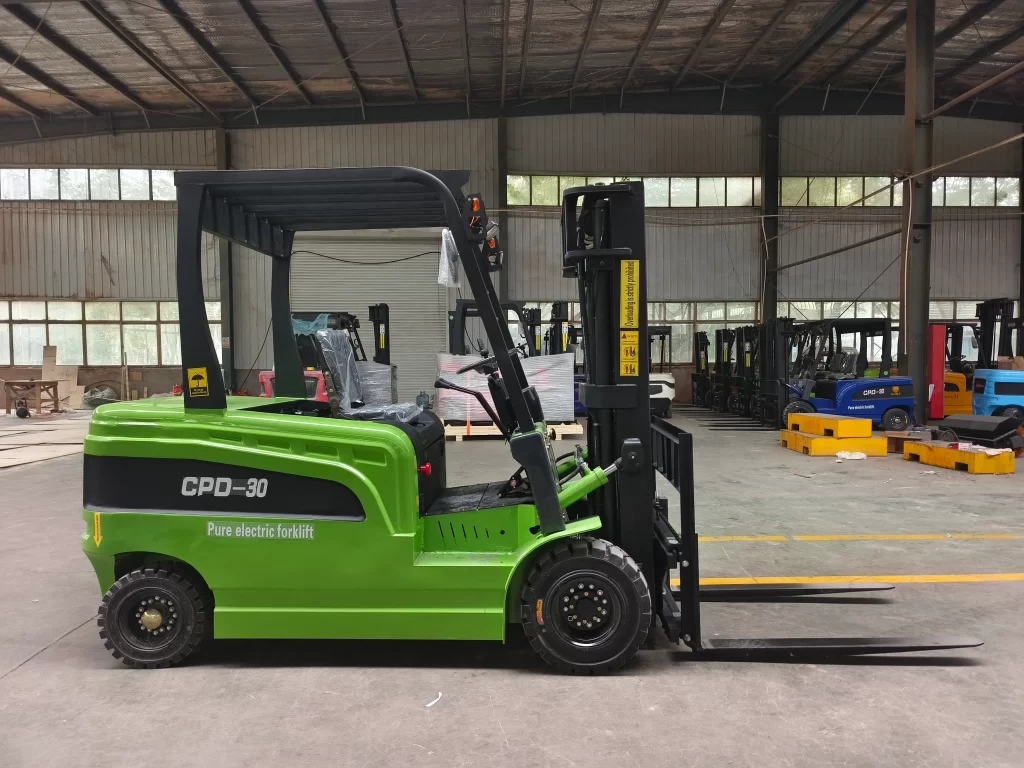
Includes:
Electric counterbalanced forklifts (3-wheel and 4-wheel)
Features:
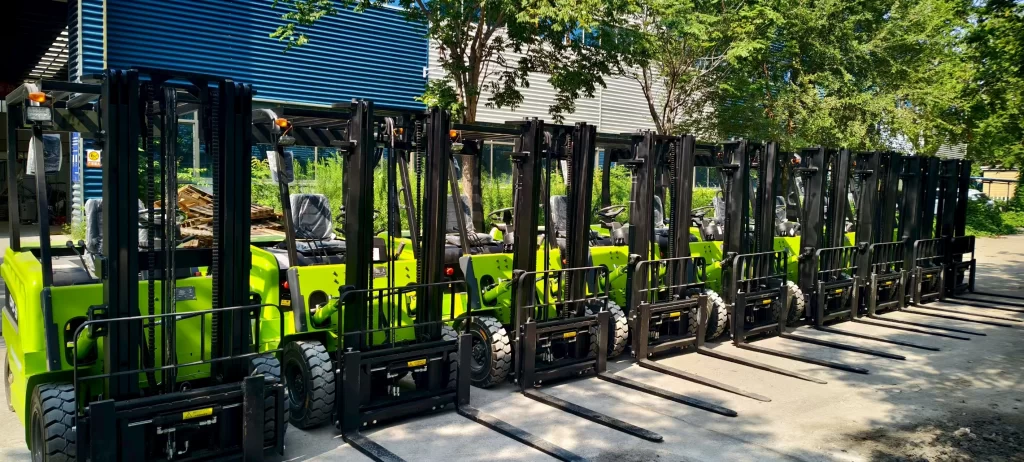
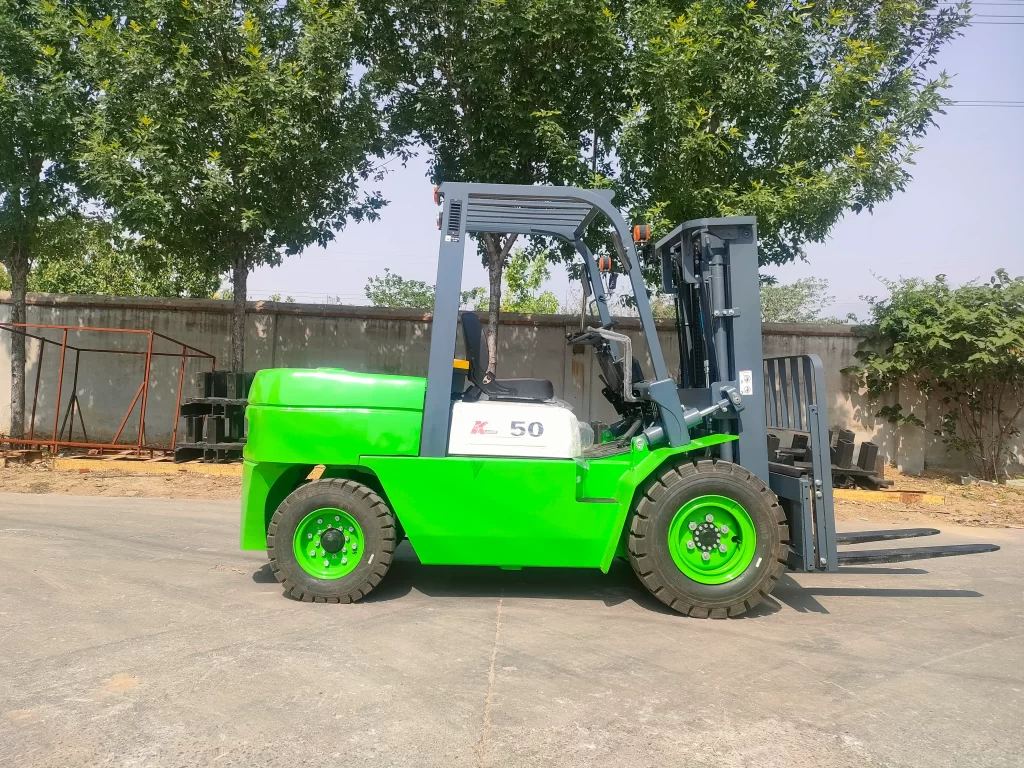
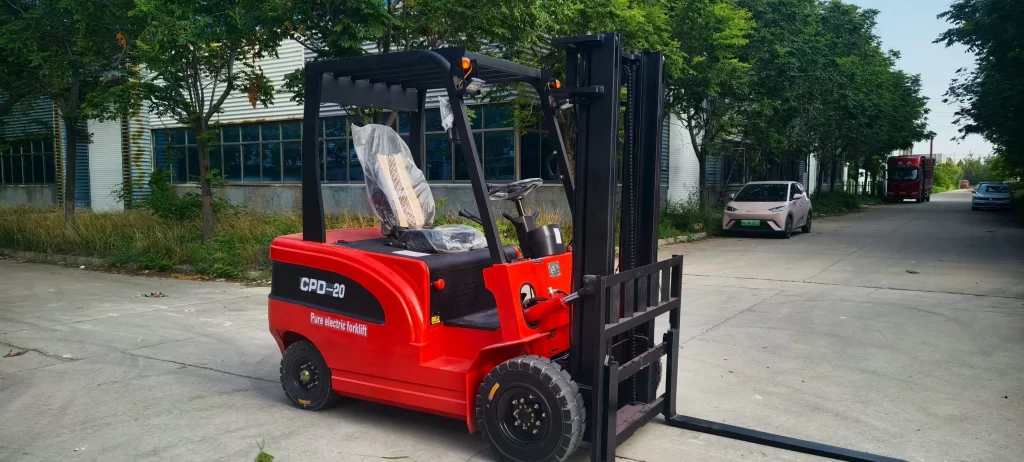
Class I forklifts are rider-operated electric models typically equipped with three or four wheels. They offer enhanced stability, higher load capacities, and greater lifting heights. Adding a cab improves operator comfort. Suitable for both indoor and outdoor use across various terrains. Powered electrically, these forklifts operate quietly with zero exhaust emissions, making them ideal for environments with stringent air quality requirements, such as food processing and pharmaceutical facilities. They can be fitted with non-marking tires to maintain clean indoor flooring. Compared to internal combustion forklifts, they feature lower maintenance costs, reduced operational noise, and minimal spark generation, making them suitable for flammable or explosive environments like coal mines and oil depots.
Applications:
Commonly used in warehouses, manufacturing plants, and distribution centers for tasks like truck loading/unloading, pallet stacking, and goods transportation.
Suitable for environments requiring heavy lifting and general material handling indoors or occasionally outdoors, such as moving products between loading docks and warehouse storage areas. This electric forklift can be fitted with solid tires or non-marking tires for outdoor use and incline navigation.
Category 2: Electric Narrow Aisle Forklifts
Includes:
Electric Narrow Aisle Forklift (VNA)
Electric Reach Truck
Electric Stacker
Features:
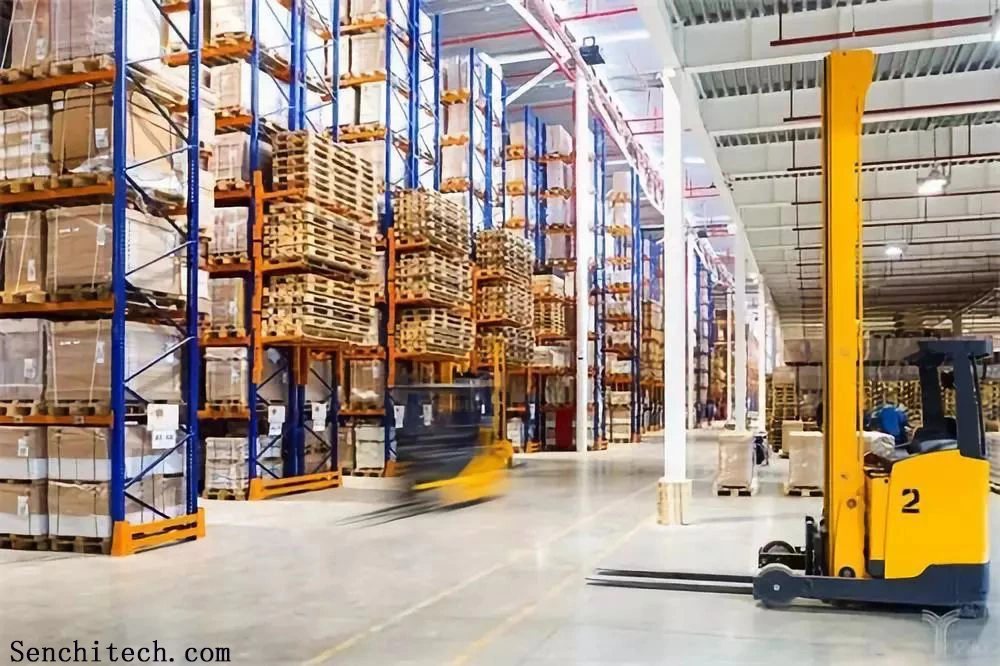
Category 2 forklifts are engineered for narrow aisles, operating in confined spaces to maximize warehouse storage capacity. Narrow aisle forklifts typically have a turning radius around 0.8m, while AGV intelligent forklifts can achieve as low as 0.965m. These forklifts typically feature telescopic forks or the capability to lift both the operator and load together, enhancing operational efficiency in high-density storage environments. Additionally, narrow aisle forklifts are optimized for vertical lifting, commonly used for retrieving goods from high racks. They can lift loads up to 13m in height, maximizing warehouse space utilization.
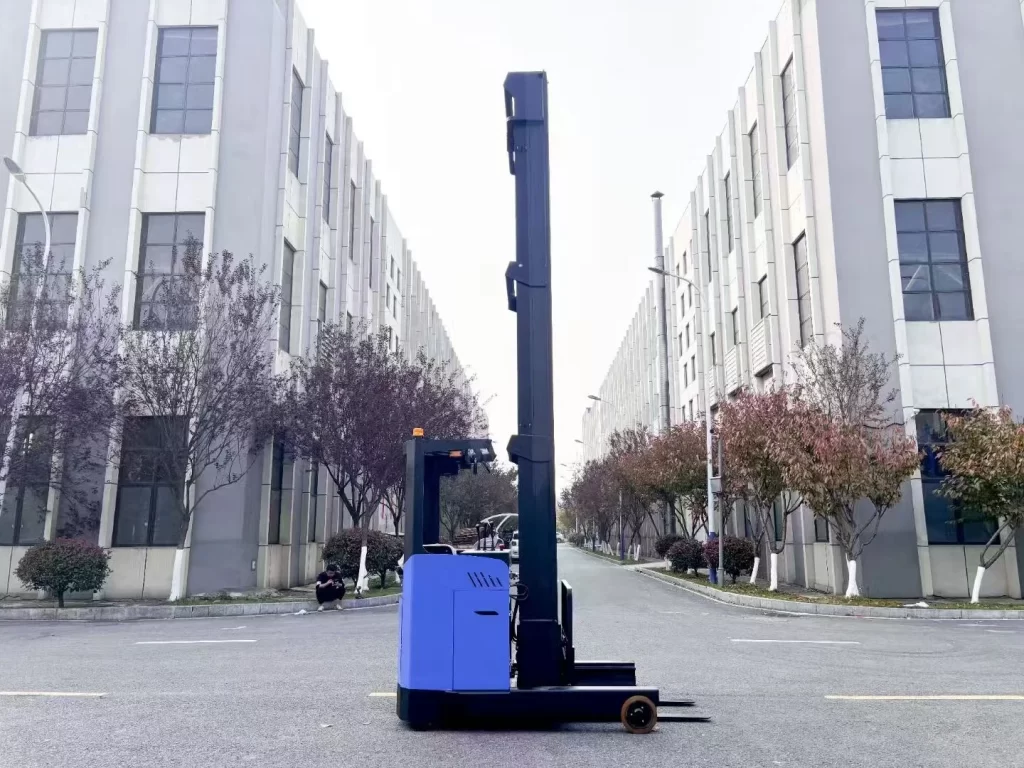
Generally, two key factors are most critical for narrow aisle forklifts:
- Minimum Turning Radius R:
When traveling unloaded at low speed with the steering wheel fully turned, the minimum distance from the outermost and innermost points of the vehicle to the turning center is referred to as the minimum outer turning radius and minimum inner turning radius, respectively. - Right-Angle Stacking Aisle Width (RASA):
The aisle width required for the forklift to make a 90-degree right-angle turn. This refers to the straight-line distance between the two rows of racks in an indoor aisle designated for forklift travel.
Explanation: The right-angle stacking aisle width is a critical indicator of whether a forklift has sufficient space to operate after entering the worksite. Simply put, it is the distance between two obstacles (such as two rows of racks) when a forklift drives straight between them, rotates 90 degrees, and then picks up goods.
Application:
Ideal for high-density warehouses and distribution centers with narrow aisles and tall racks, such as retail, logistics, and refrigerated environments.
Commonly found in facilities requiring efficient space utilization, enabling companies to store more products within smaller areas.
Category 3: Electric Hand-Operated or Hand-Guided Forklifts
Included Types:
Electric Pallet Trucks
Electric stackers
Electric walkie stackers
Electric order pickers
Features:
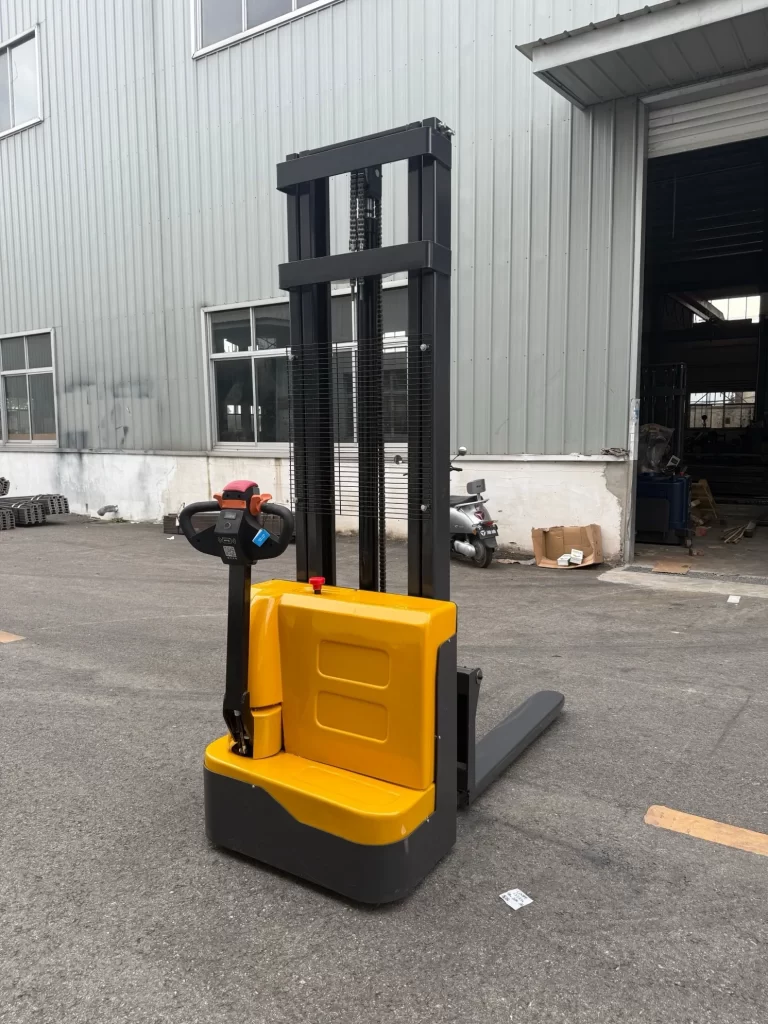
Class 3 forklifts are compact electric material handling equipment operated by walking or standing on a platform, designed for transporting palletized goods. Lifting and material handling functions are controlled via buttons on the handlebar, typically equipped with two motors and a battery. Their flexibility, tight turning radius, and compact design make them ideal for short-distance transport tasks. Electric pallet trucks lack seats, allowing operators to walk alongside or stand while operating. They are easy to use and suitable for handling light to medium-weight goods. Additionally, we can equip electric pallet trucks with keypad locks and NFC functionality. Currently, the maximum lifting capacity for electric stackers is 3 tons. As a professional forklift manufacturer, we can customize lifting heights for you. Generally, higher lifting heights require wider outriggers.
Applications:
Most commonly used in warehouses, grocery stores, retail environments, and small distribution centers for tasks like loading/unloading delivery trucks and moving pallets over short distances. They also feature on-board pickup capability, enabling them to travel with goods during shipment.
They are particularly useful in areas requiring rapid product transfer to/from trucks or movement between different zones within space-constrained facilities.
Advantages of Electric Forklifts
- Environmentally Friendly
With environmental sustainability at their core, electric forklifts offer significant advantages in eco-friendliness and energy efficiency. They produce zero emissions and operate with ultra-low noise and vibration levels. - Reduced Maintenance
Electric forklifts feature longer maintenance intervals and require less time per service, substantially lowering maintenance costs. Additionally, downtime is significantly reduced, enhancing operational efficiency and delivering greater economic benefits. - Longer Lifespan
Typically, electric forklift batteries last for 5,000 charge-discharge cycles, equating to 5-8 years of service. While battery replacement costs are comparable to engine maintenance expenses, batteries are replaced much more frequently than internal combustion engines undergo overhauls. This results in electric forklifts offering a clear advantage in time efficiency over their internal combustion counterparts. - Simple and Flexible Operation
Electric forklifts offer simpler, more intuitive operation. Their electric steering systems, acceleration controls, hydraulic systems, and braking mechanisms are all electronically controlled, substantially reducing operator fatigue. This significantly enhances operational efficiency and precision.
Disadvantages of Electric Forklifts
A potential drawback is limited range. This can be mitigated by increasing battery capacity or adding rapid charging capabilities.
We can customize rapid chargers for you, enabling full charging in just 3-4 hours. This allows forklifts to resume operations quickly, minimizing downtime caused by charging and improving utilization rates—especially in multi-shift or high-intensity work environments.
Conclusion
Electric forklifts and internal combustion forklifts share identical functionalities, but electric models offer greater variety, primarily categorized into three types. With their eco-friendly operation, flexibility, and diverse range, electric forklifts have already replaced diesel models in numerous applications.