Best Electric Forklift Models for Small Businesses in 2026
What is an Electric Forklift?
As a powerful tool in the logistics industry, electric forklifts offer diverse classifications tailored to various applications and scenarios. This article delves into the six major categories of electric forklifts, revealing their unique applications and advantages within the logistics sector.
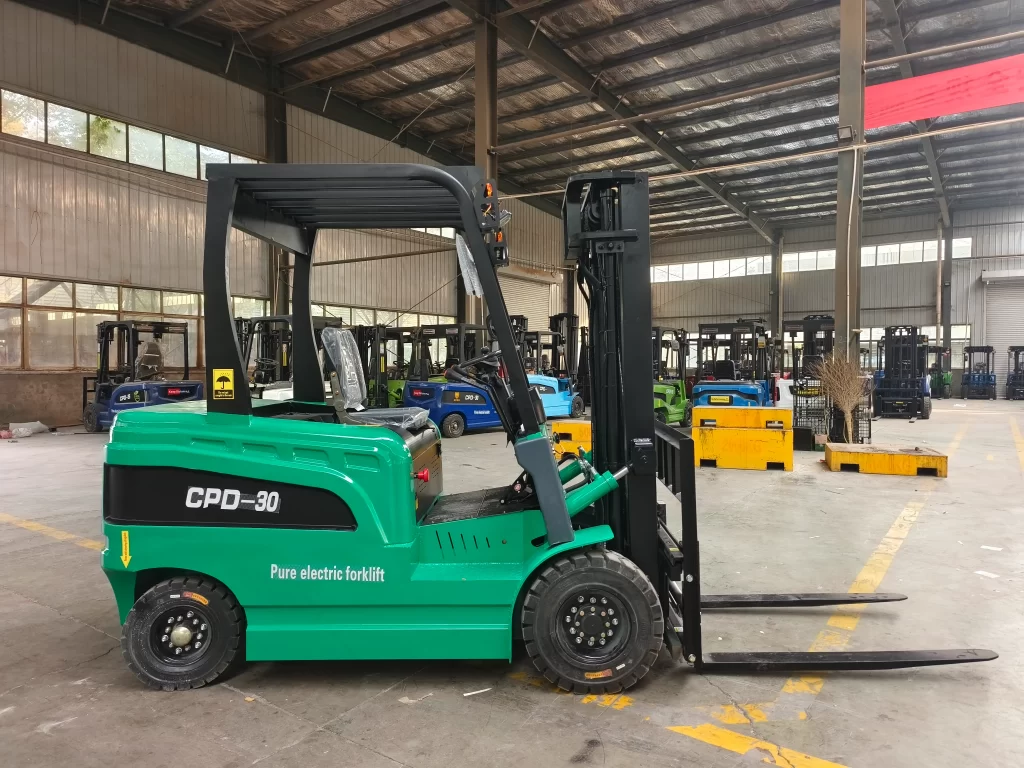
1. Energy Source Classification: Lead-acid batteries, phosphate batteries, and hybrid batteries, among others.
First, electric forklifts can be categorized by energy source, including lead-acid batteries, phosphate batteries, and hybrid batteries. Lead-acid batteries offer superior stability, making them suitable for transportation and long-term safe use. Lithium-ion battery forklifts feature high-capacity batteries, supporting fast charging and BMS battery management systems.
We are a professional electric forklift manufacturer offering customization services for electric forklifts, including forklift batteries, chargers, lift heights, forklift functions, and forklift attachments.
2. Load Capacity and Application Classification
Electric forklifts can also be categorized by load capacity and intended use. Light-duty models suit small-scale material handling, while heavy-duty forklifts handle larger loads. Additionally, applications include warehouse forklifts, outdoor electric forklifts, and loading/unloading forklifts to meet diverse industry needs.
3. Drive System Classification: Front-Wheel Drive, Rear-Wheel Drive, and Four-Wheel Drive
Drive systems represent the third classification dimension. Front-wheel drive excels in confined indoor spaces, rear-wheel drive offers superior stability, while four-wheel drive delivers outstanding performance in complex and variable terrain.
4. Classification by Technological Innovation and Automation
Fourth, electric forklifts are also categorized based on technological innovation and automation. Innovations like intelligent navigation and automated stacking are transforming forklift operations, enhancing efficiency, and reducing reliance on manual labor. AGV forklifts and VNA forklifts are becoming increasingly vital in the warehousing industry.
5. Classification by Environmental Protection and Sustainability
Environmental protection and sustainability form the fifth classification criterion for electric forklifts. Models utilizing renewable energy and prioritizing energy conservation and emissions reduction play a vital role in pursuing green logistics, minimizing environmental impact.
6. Size and Flexibility Classification
Finally, electric forklifts can be categorized based on size and flexibility. Compact models excel in confined spaces, while large, flexible forklifts adapt to diverse site requirements.
These six classifications of electric forklifts provide multiple tools for the logistics sector, adapting to diverse industry and operational requirements. Understanding these categories enables better selection and configuration of electric forklifts suited to specific work environments, enhancing logistics efficiency and flexibility.
As a professional manufacturer of electric forklifts and material handling equipment, I recommend cost-effective electric forklifts tailored for small and medium-sized enterprises. You may select the appropriate forklift type based on your needs.
Walkie Electric Forklifts or Walkie Electric Stackers
Operators walk alongside the forklift, using control buttons on the handle to maneuver forward/backward and lift/lower. These models typically handle loads of 1-2 tons with lifting heights up to 6 meters. Wider outriggers can be added for enhanced stability. Electric stackers feature front legs, suitable for handling single-sided pallets or non-palletized goods. Advantages include affordability and a tight turning radius ideal for narrow aisles. Disadvantages are limited load capacity and lift height, along with reduced stability. This makes them a suitable choice for budget-conscious buyers.
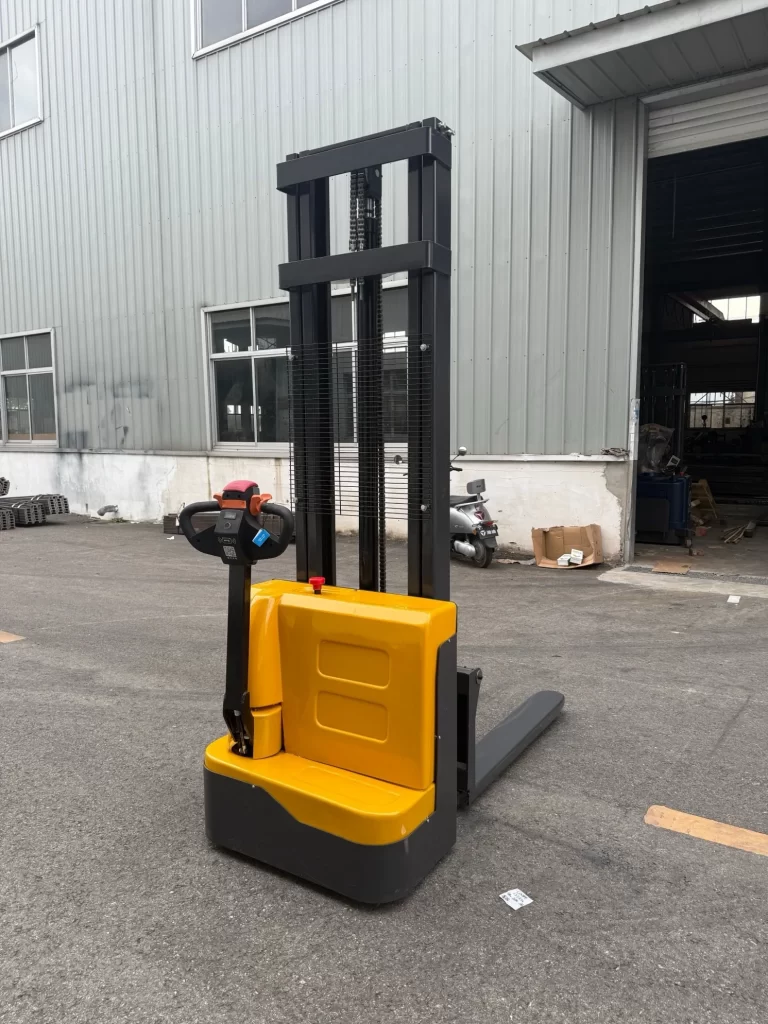
Stand-on Electric Forklift or Stand-up Electric Stacker
Operators stand on the stacker for operation. This upgraded version of a walkie electric pallet truck reduces operator fatigue, features a tight turning radius, and can handle loads up to 3 tons.
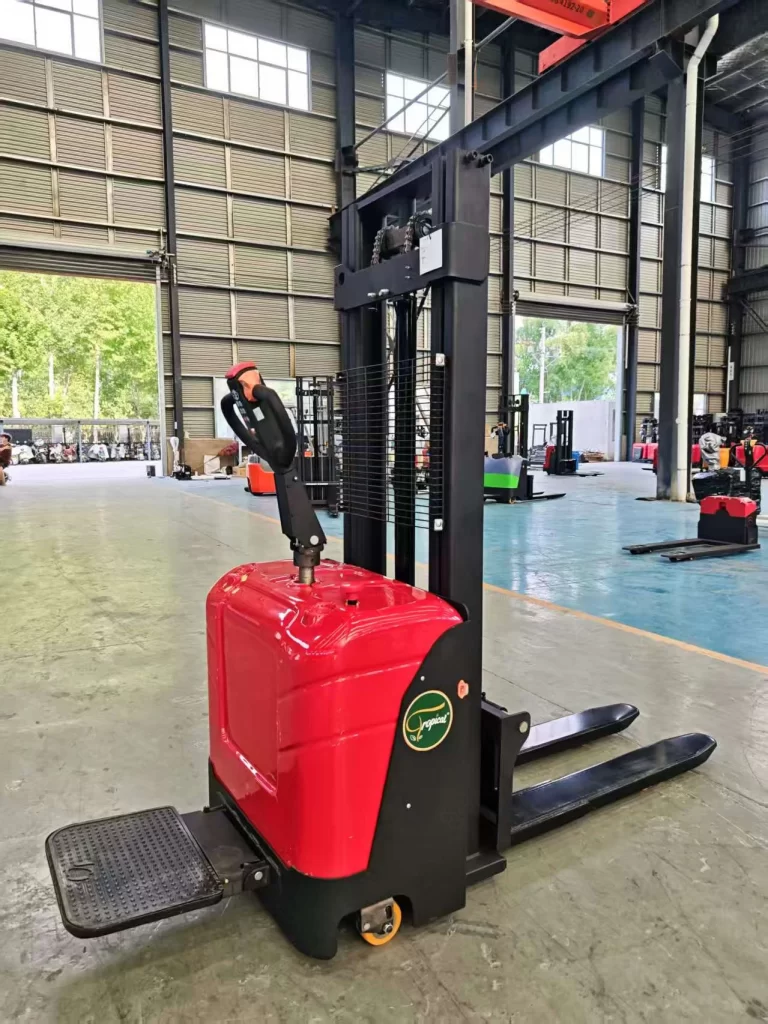
Move forwards Stacker
Fundamentally similar to counterbalanced electric forklifts or stand-up electric stackers, featuring no front legs and counterweight. The key difference lies in the forks and mast, which can extend backward or forward by approximately 560mm. This allows for a reduced overall truck length, offering some flexibility in aisle width requirements.
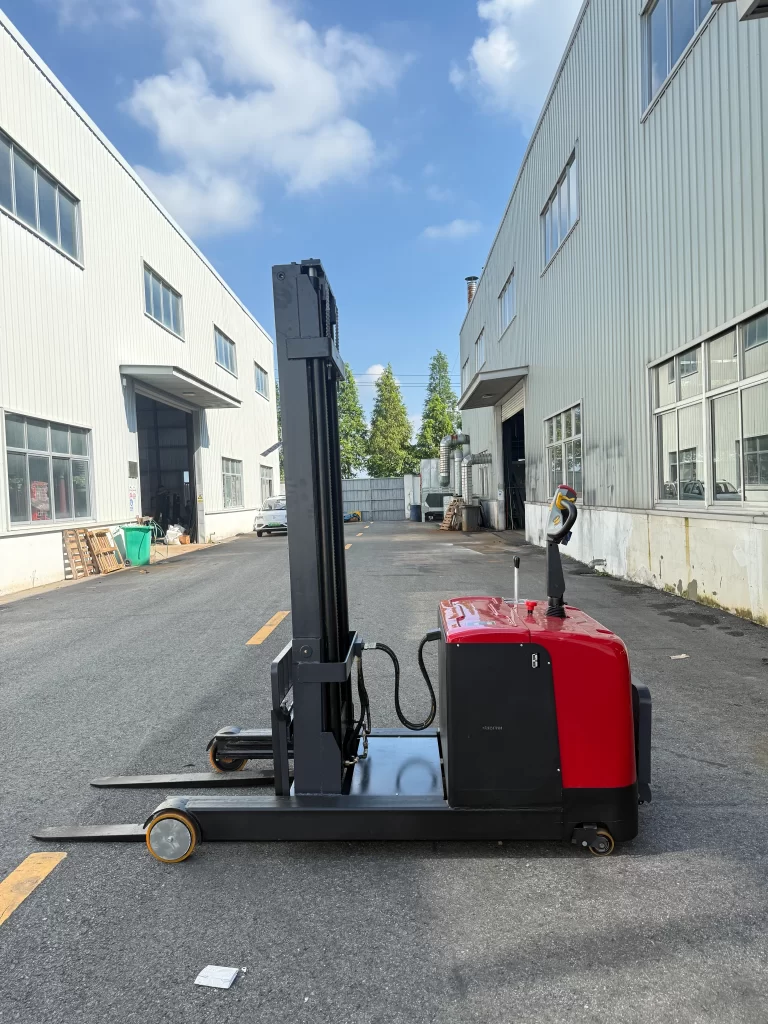
Electric Pallet Truck
Primarily used for horizontal cargo transport with a lifting height of approximately 20cm, serving as an upgraded version of manual pallet trucks. Load capacity ranges from 2 to 5 tons, supporting both lithium-ion and lead-acid batteries.

Rider-type electric forklifts or counterbalanced electric forklifts
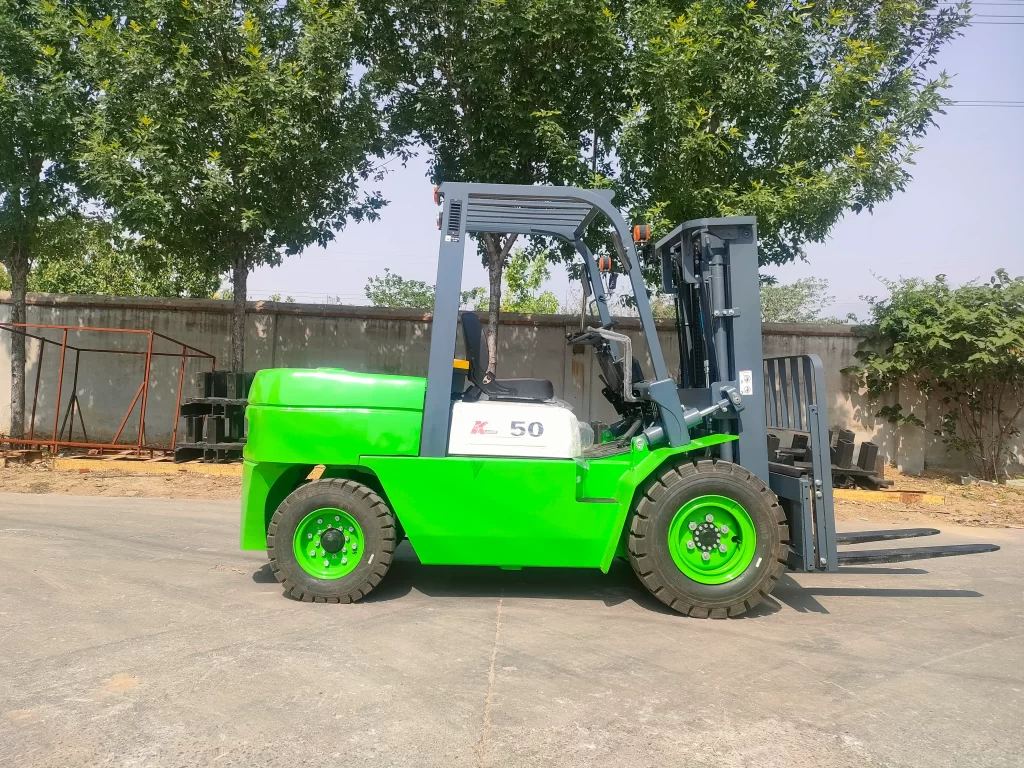
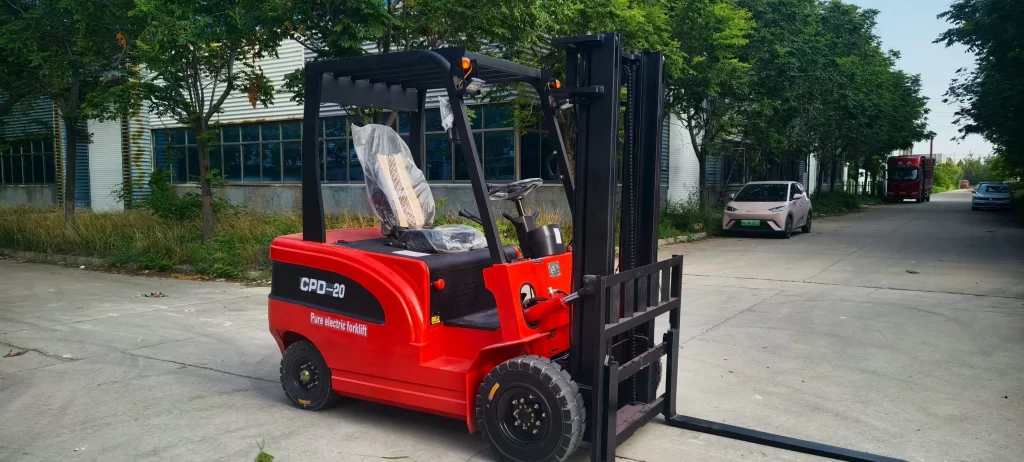
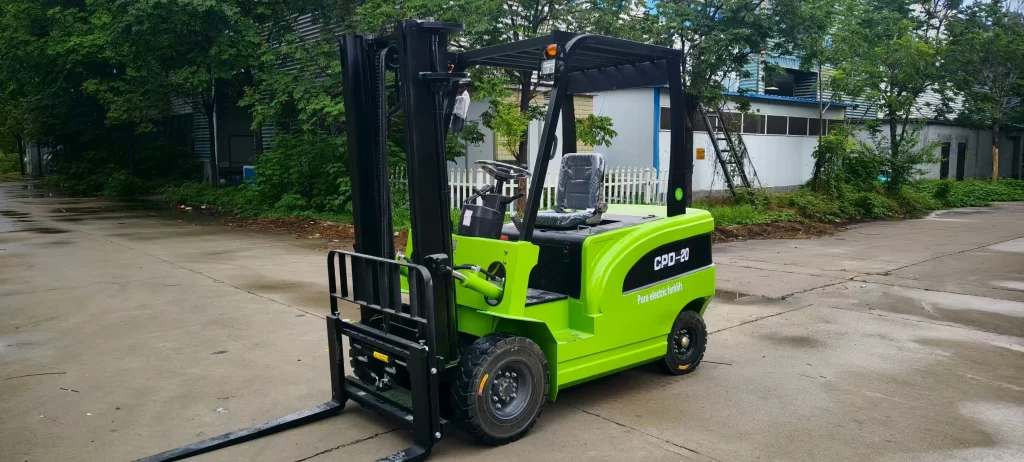
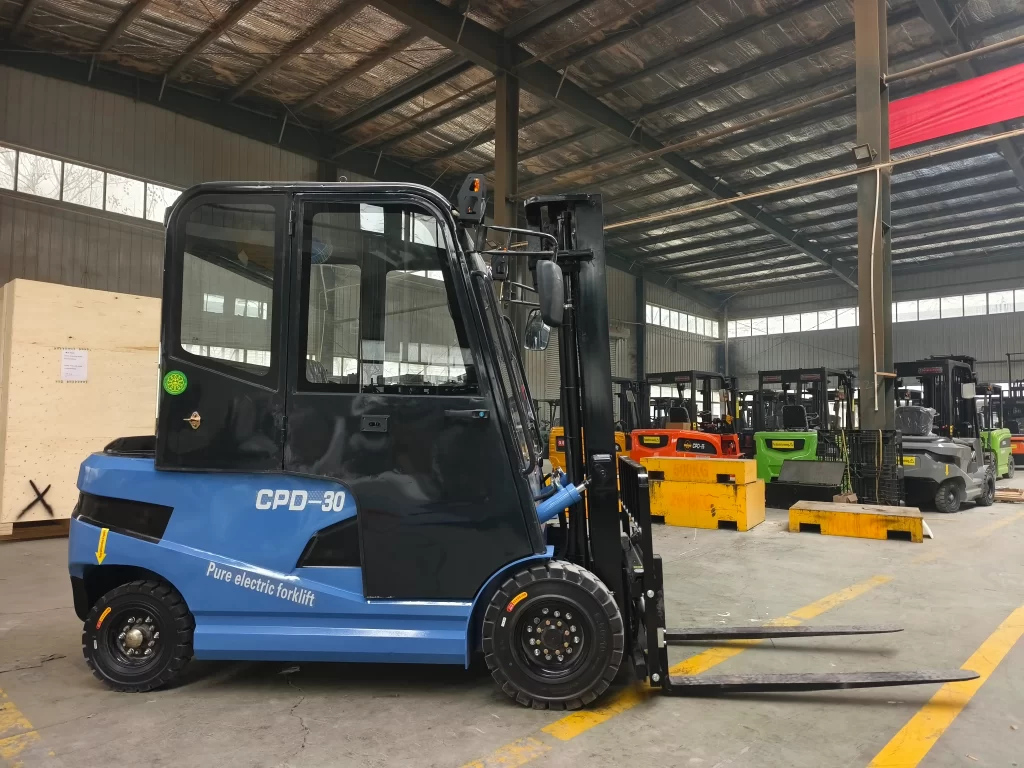
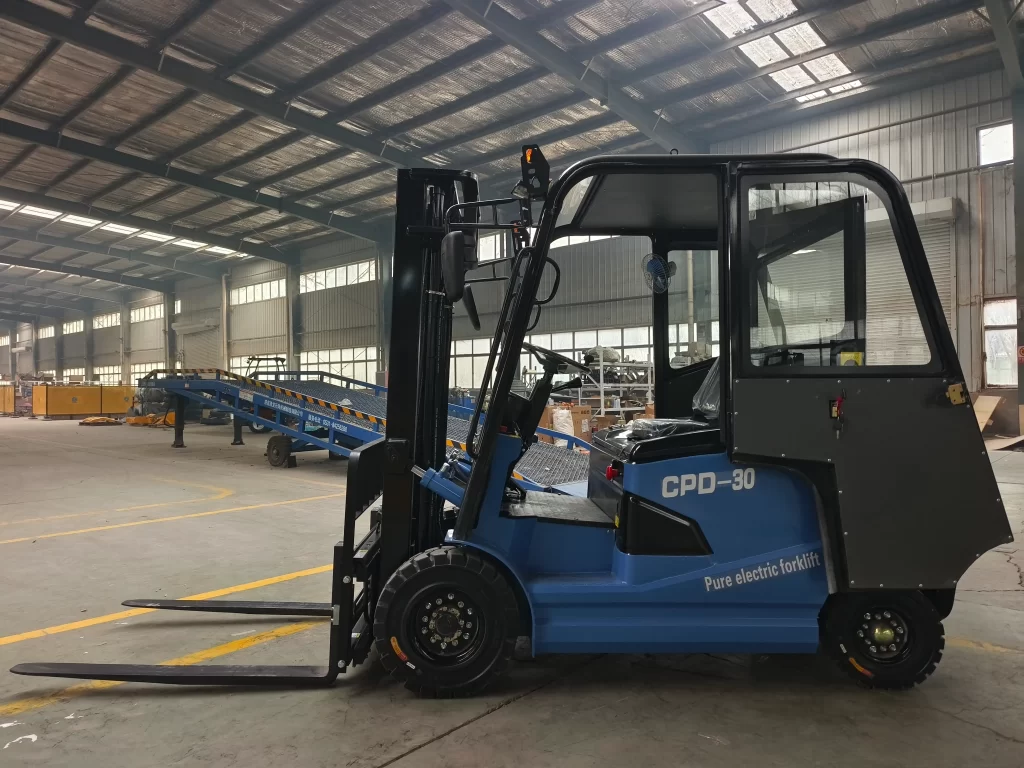
Operators control the forklift from a cab, featuring a rear counterweight similar to diesel models. Load capacities range from 1.5 tons to 10 tons, with 1.5-ton to 5-ton electric forklifts being the most popular.
As a professional electric forklift manufacturer, we offer comprehensive customization: – Add functionalities like side shift, free lift, adjustable fork spacing, and extended lift height up to 7 meters – Enhance driving experience and safety with cabs, air conditioning, ergonomic seats, and safety lights
Warehouse Reach Truck
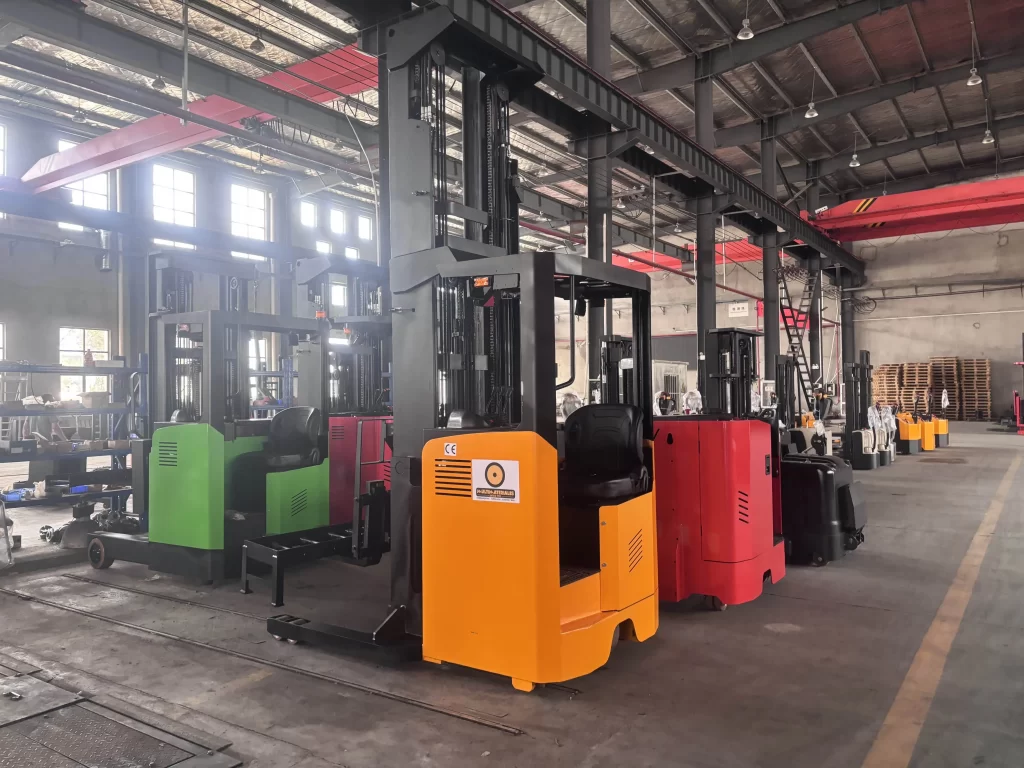
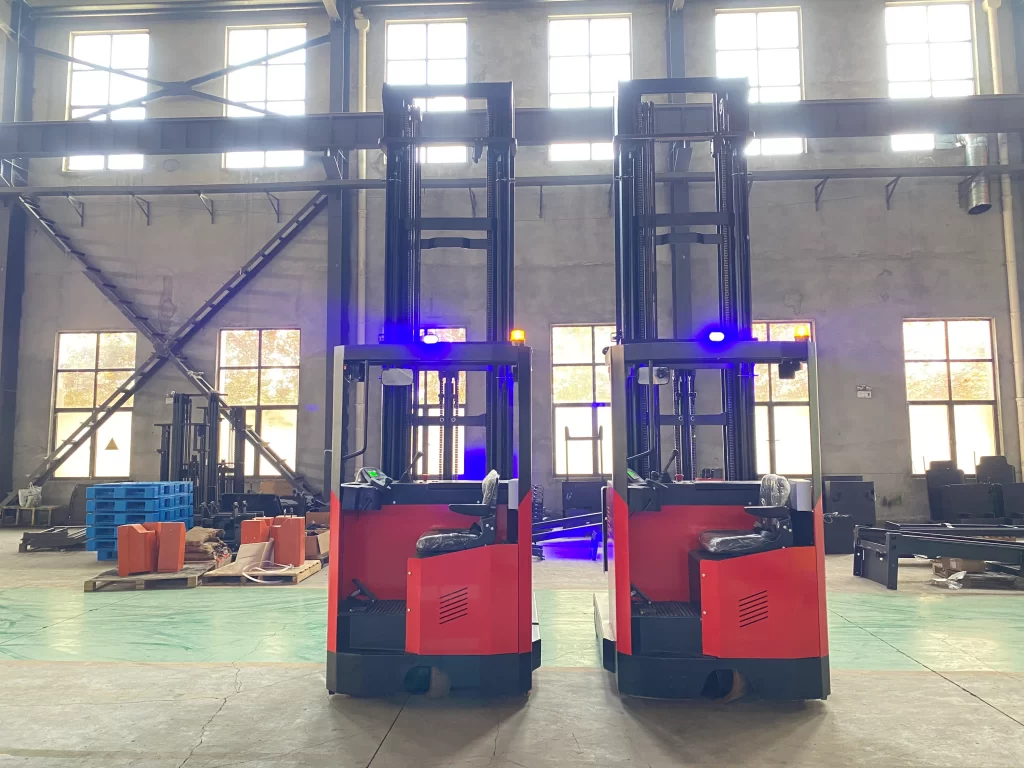
The reach truck is a narrow aisle forklift (VNA) suited for large, high-density warehouses. With a lifting height reaching up to 13 meters, it represents a high-end electric forklift ideal for lifting lightweight items to elevated racks. Please share your specific requirements, though please note this model currently carries a higher price point.
We have now introduced the various types of electric forklifts available. You may select the most suitable model based on your operational needs.