How Diesel Forklifts Work: Engine, Transmission and Structure Explained
Introduction to Diesel Forklifts
What Is a Diesel Forklift?
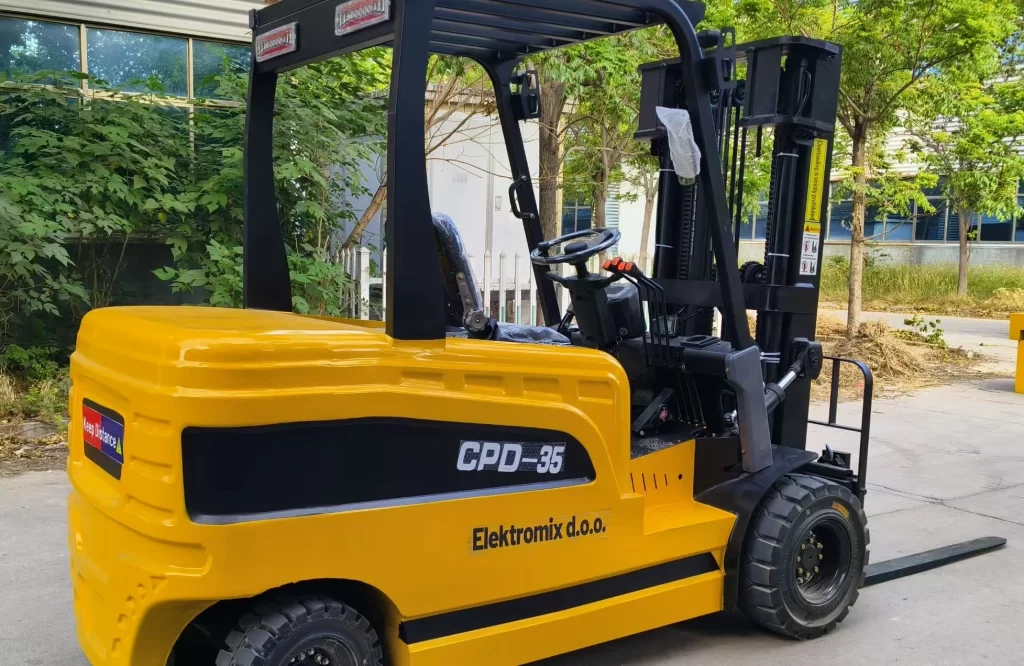
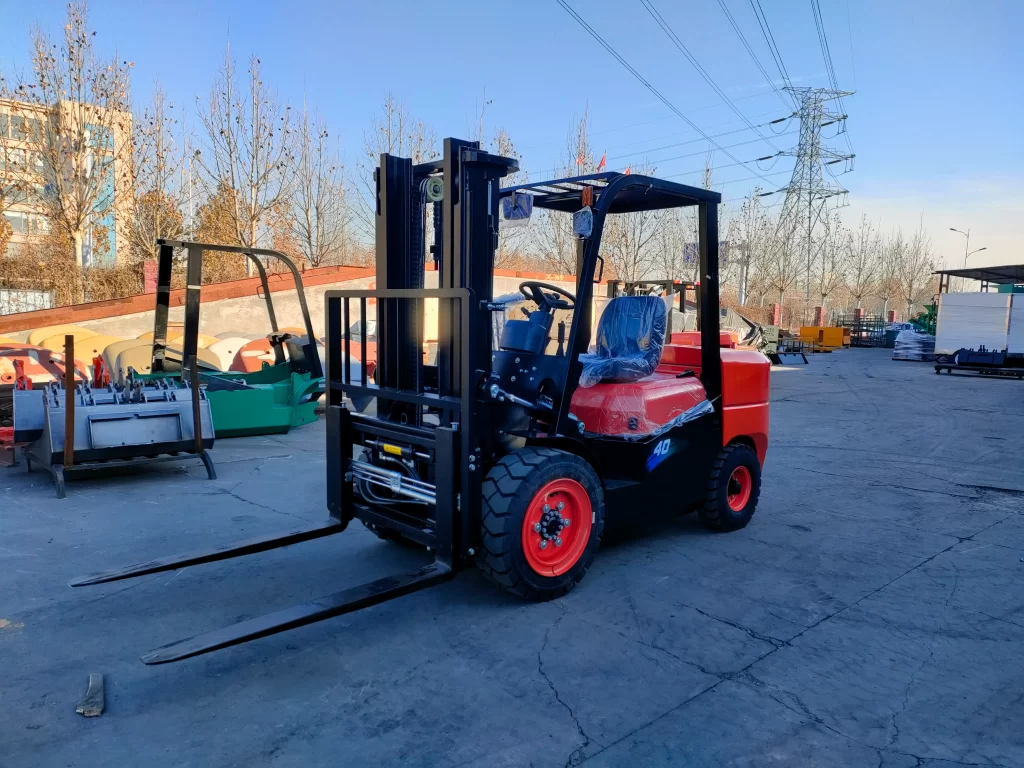
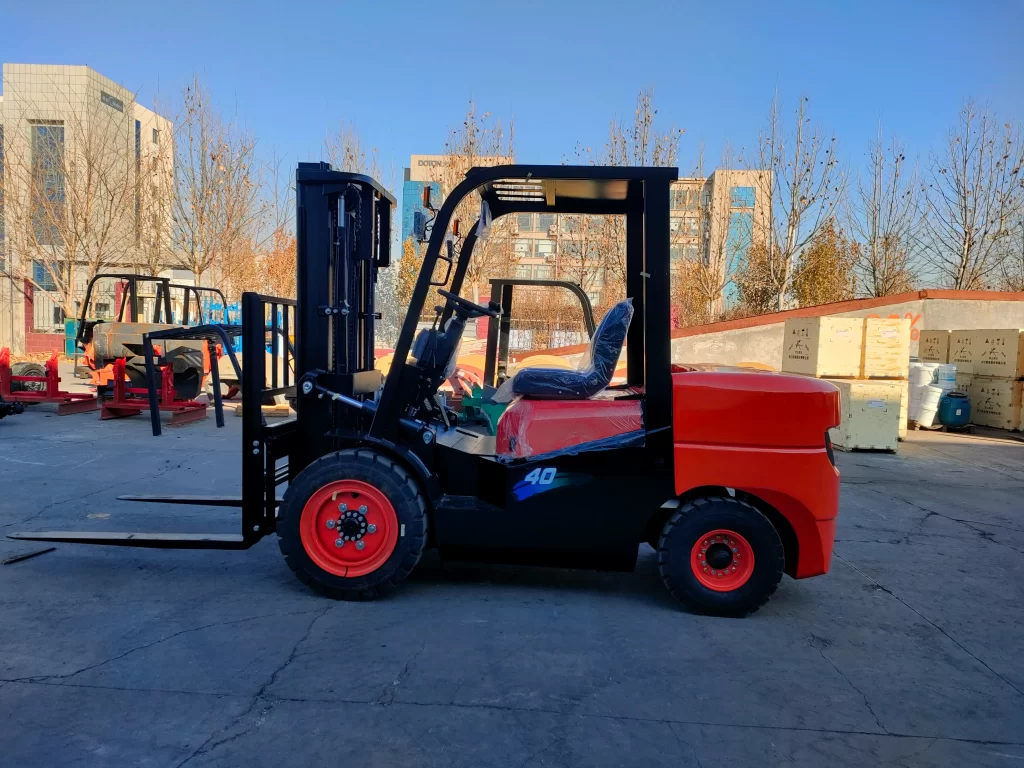
A diesel forklift is a type of counterbalance forklift powered by a diesel internal combustion engine. It is designed to lift, transport, and stack materials using forks mounted on a vertical mast.
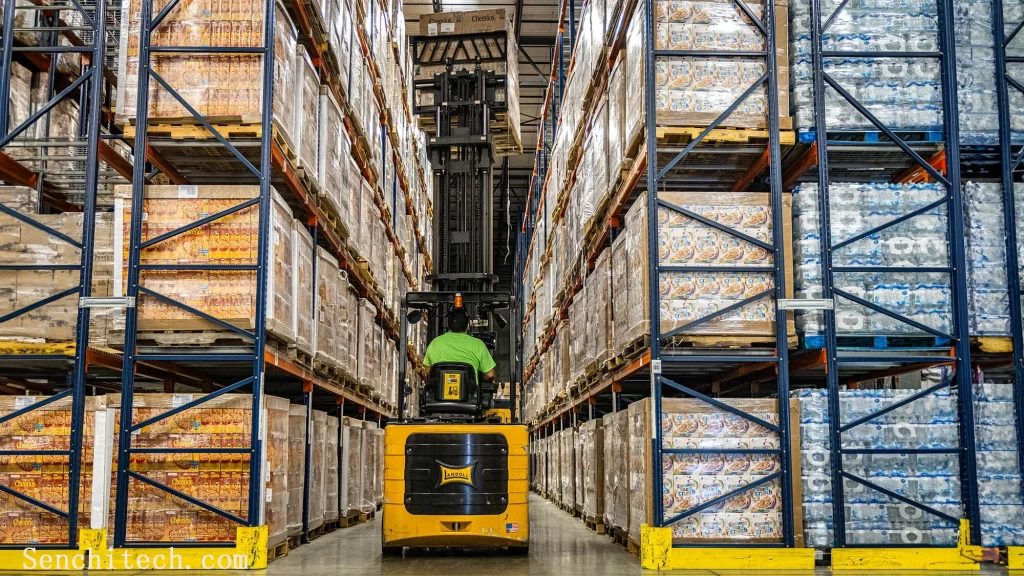
As one of the most common types of material handling equipment, diesel forklifts are widely used in warehouses, ports, construction sites, manufacturing plants, logistics centers, and mining operations. Load capacities typically range from 0.5 tons to over 45 tons.
Why Are Diesel Forklifts Widely Used?
Diesel forklifts are known for their durability, high lifting capacity, and ability to operate continuously for long hours without requiring battery charging.
Compared with gasoline-powered forklifts, diesel forklifts offer:
- Higher torque at low engine speeds
- Better overload performance
- Longer operating hours
- Lower fuel costs
- Superior performance in outdoor environments
These advantages make diesel forklifts the preferred choice for heavy-duty industrial applications.
Key Advantages Over Electric Forklifts
Compared with electric forklifts, diesel forklifts provide:
- Greater lifting capacity
- Stronger climbing ability
- Unlimited operating time with refueling
- Better performance on uneven terrain
- Lower downtime in multi-shift operations
With proper maintenance, a high-quality diesel forklift can remain productive for more than 10 years.
Main Components of a Diesel Forklift
Diesel Engine System
Internal Combustion Engine Overview
The diesel engine is the primary power source of the forklift. It converts diesel fuel into mechanical energy through a combustion process.
There are three common types of internal combustion forklifts:
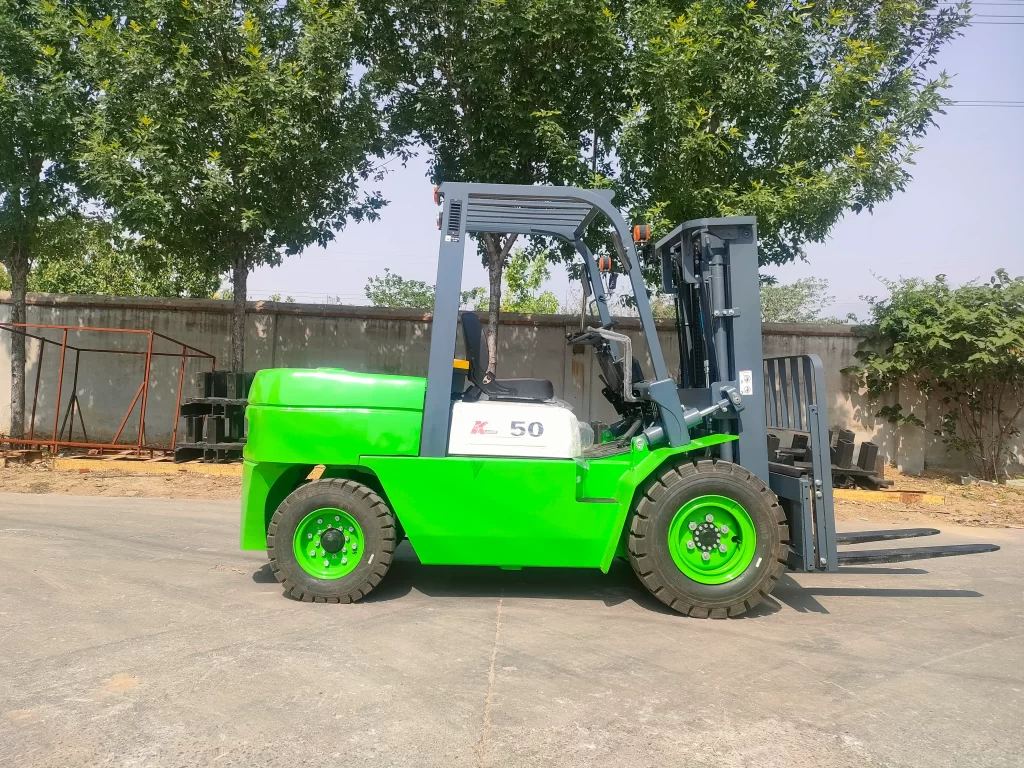
Diesel Forklift
Diesel forklifts are designed for heavy-duty outdoor work. They offer excellent stability, strong torque output, and low fuel consumption.
Advantages include:
- High lifting power
- Strong overload capability
- Suitable for long working hours
- Available from 0.5T to 45T capacity
Gasoline Forklift
Gasoline forklifts provide smoother operation and lower vibration levels. However, they generally have higher fuel costs and lower durability under continuous heavy loads.
LPG Forklift
LPG (Liquefied Petroleum Gas) forklifts combine gasoline and LPG fuel systems. They produce lower emissions and are commonly used indoors where air quality requirements are stricter.

High Torque Output for Heavy Lifting
One of the biggest advantages of diesel forklifts is their ability to generate high torque at low engine speeds.
Modern diesel engines often utilize turbocharging technology to increase torque output, allowing forklifts to maintain stable performance even when handling full loads.
This makes diesel forklifts ideal for:
- Container handling
- Construction materials
- Steel products
- Heavy industrial equipment
Transmission System
The transmission system transfers engine power to the drive wheels.
H4: Types of Forklift Transmission
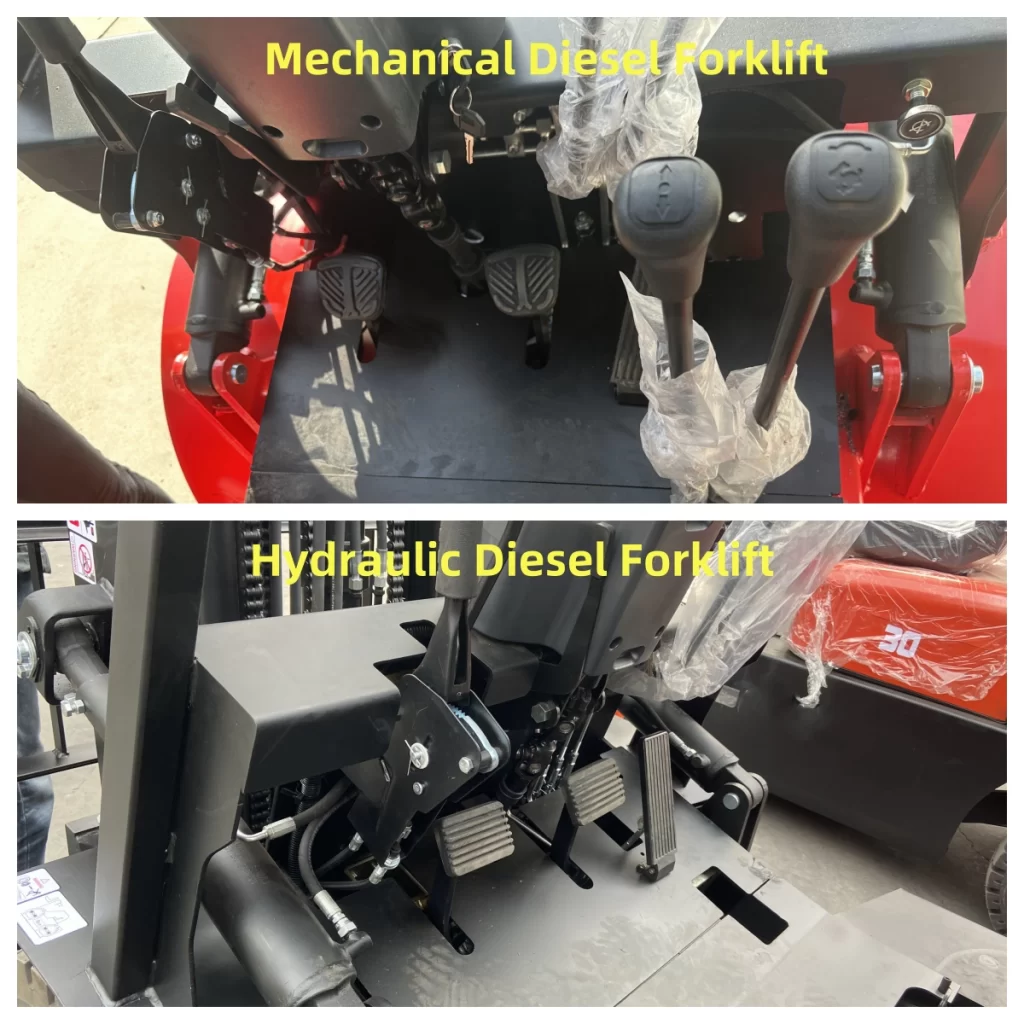
Manual Transmission
Mechanical diesel forklift Offers direct mechanical control and lower purchase costs.
Hydraulic Transmission
Hydraulic diesel industrial forklift Uses a torque converter for smoother operation and easier driving.
Electronic Hydraulic Transmission
Combines electronic controls with hydraulic systems to improve efficiency, responsiveness, and operator comfort.
H4: Why Is Transmission Important?
The transmission system converts the engine’s high-speed, low-torque output into low-speed, high-torque power required for moving heavy loads.
A quality transmission system provides:
- Better traction
- Improved climbing performance
- Longer component life
- Reduced maintenance costs
- Enhanced operator safety
Hydraulic System
How the Hydraulic System Works
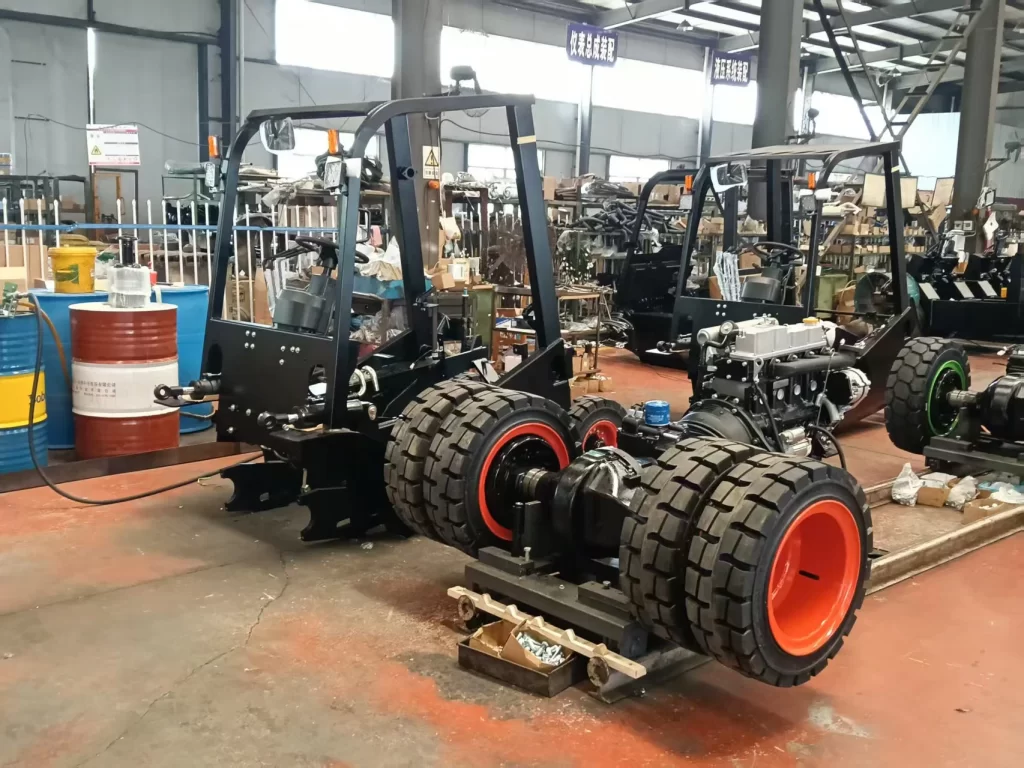
The hydraulic system converts mechanical energy from the engine into hydraulic power.
Its primary functions include:
- Raising forks
- Lowering forks
- Tilting the mast
- Operating hydraulic attachments
Main hydraulic components include:
- Hydraulic pump
- Hydraulic valves
- Hydraulic cylinders
- Hydraulic hoses
- Hydraulic oil tank
Modern forklifts typically use gear pumps to provide reliable hydraulic pressure.
Mast Structure
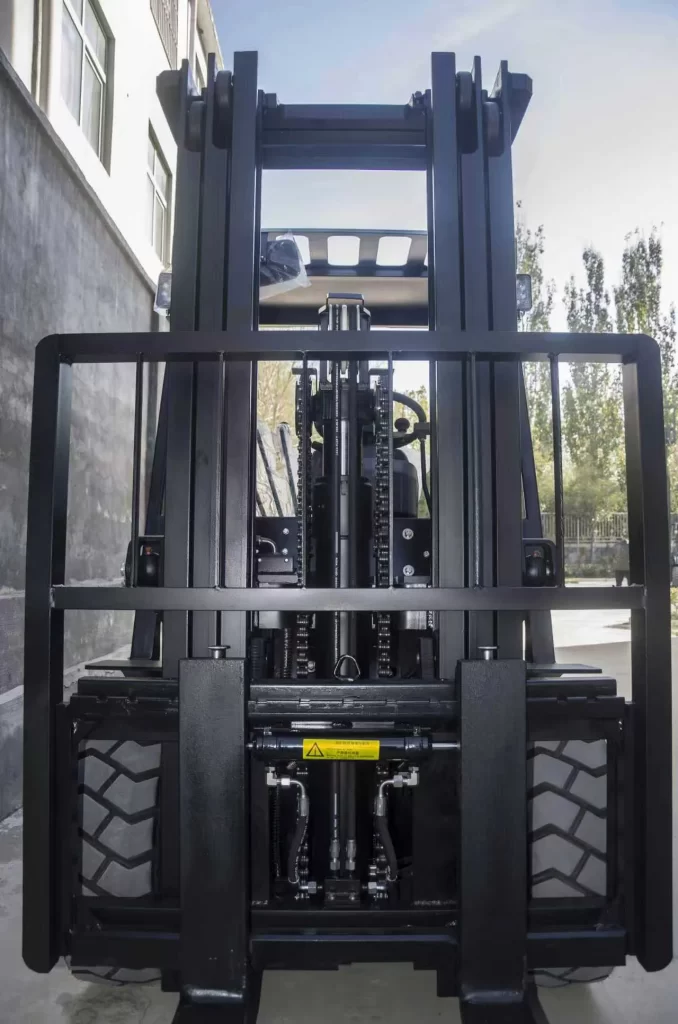
Forklift masts are generally available in:
- Two-stage mast
- Three-stage mast
- Four-stage mast
Different mast designs are selected according to lifting height requirements.
Chassis and Frame Structure
Heavy-Duty Steel Frame Design
The chassis serves as the backbone of the forklift.
Heavy-duty forklifts utilize reinforced steel frames, drive axles, and mast assemblies to withstand extreme operating conditions and heavy loads.
Counterweight System
A diesel forklift uses a counterweight mounted at the rear of the truck.
The counterweight balances the load being lifted at the front, ensuring stability and preventing tipping.
H4: Load Balance Principle
Diesel forklifts operate according to the lever principle.
The relationship between load weight, load center distance, and counterweight determines the forklift’s rated lifting capacity and overall stability.
How Diesel Forklifts Work Step by Step
Step 1 – Engine Starts and Generates Power
Air Intake
The piston moves downward and draws filtered air into the cylinder.
Compression
The piston compresses the air, significantly increasing its temperature.
Combustion
Diesel fuel is injected into the hot compressed air, causing spontaneous ignition.
Exhaust
The burned gases are expelled from the cylinder.
This continuous cycle converts diesel fuel into mechanical power.
Step 2 – Transmission Transfers Power to the Wheels
The engine delivers power to the transmission.
The transmission then transfers power to the drive axle and wheels, allowing the forklift to move forward or backward.
Power steering systems assist operators in controlling the vehicle efficiently.
Step 3 – Hydraulic System Activates Lifting
When the operator moves the hydraulic control lever:
- The hydraulic pump generates oil pressure.
- Hydraulic cylinders extend.
- Lift chains move the carriage upward.
- The forks raise the load.
The same system controls mast tilting functions.

Step 4 – Operator Controls Movement and Load Handling
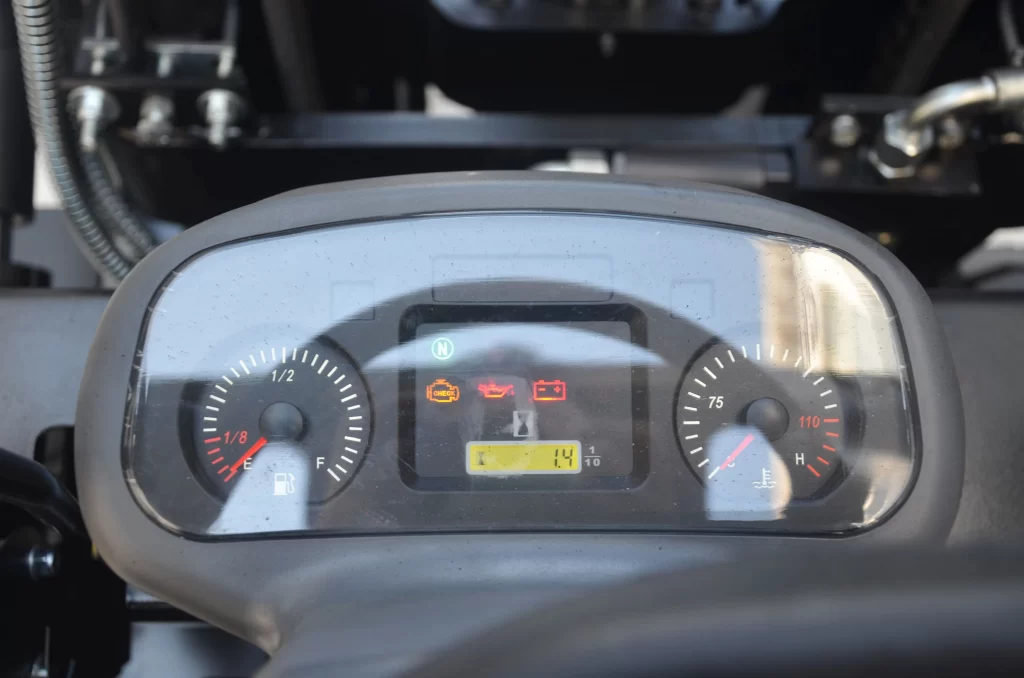
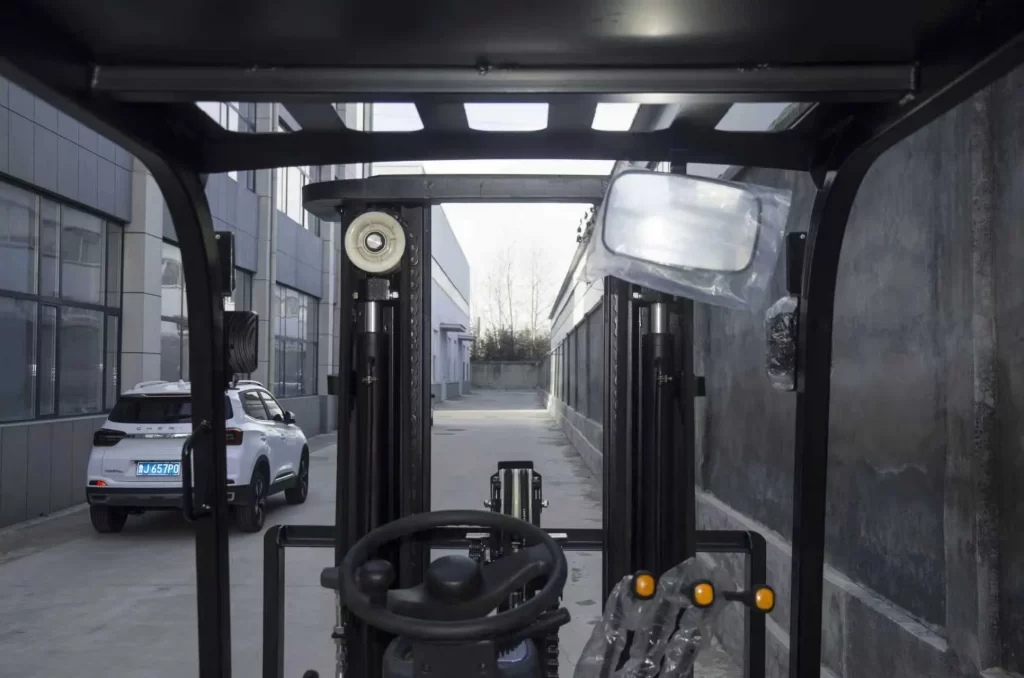
The operator uses various controls including:
- Steering wheel
- Direction selector
- Accelerator pedal
- Brake pedal
- Hydraulic levers
Unlike automobiles, forklifts use rear-wheel steering, providing a tighter turning radius and greater maneuverability.
Why Diesel Forklifts Are So Powerful
High Torque for Heavy Loads
Diesel engines naturally generate high torque, making them suitable for lifting and transporting heavy materials.
Suitable for Outdoor and Rough Terrain
Most diesel forklifts use pneumatic tires, which provide excellent traction on:
- Gravel
- Dirt roads
- Construction sites
- Uneven surfaces
For extreme environments, rough terrain forklifts offer even greater off-road capability.
Long Working Hours Without Charging
Unlike electric forklifts, diesel forklifts can be refueled within minutes and operate continuously around the clock.
This makes them ideal for multi-shift operations.
Common Applications of Diesel Forklifts
Ports and Container Terminals
Handling containers, cargo, and heavy freight.
Construction Sites
Transporting building materials and equipment.
Steel and Manufacturing Plants
Moving heavy industrial components.
Outdoor Warehouses and Logistics Centers
Supporting continuous loading and unloading operations.
Cold Storage Facilities
Specially designed diesel forklifts can maintain reliable performance in extremely low temperatures.
Diesel Forklift vs Electric Forklift
Power Source Comparison
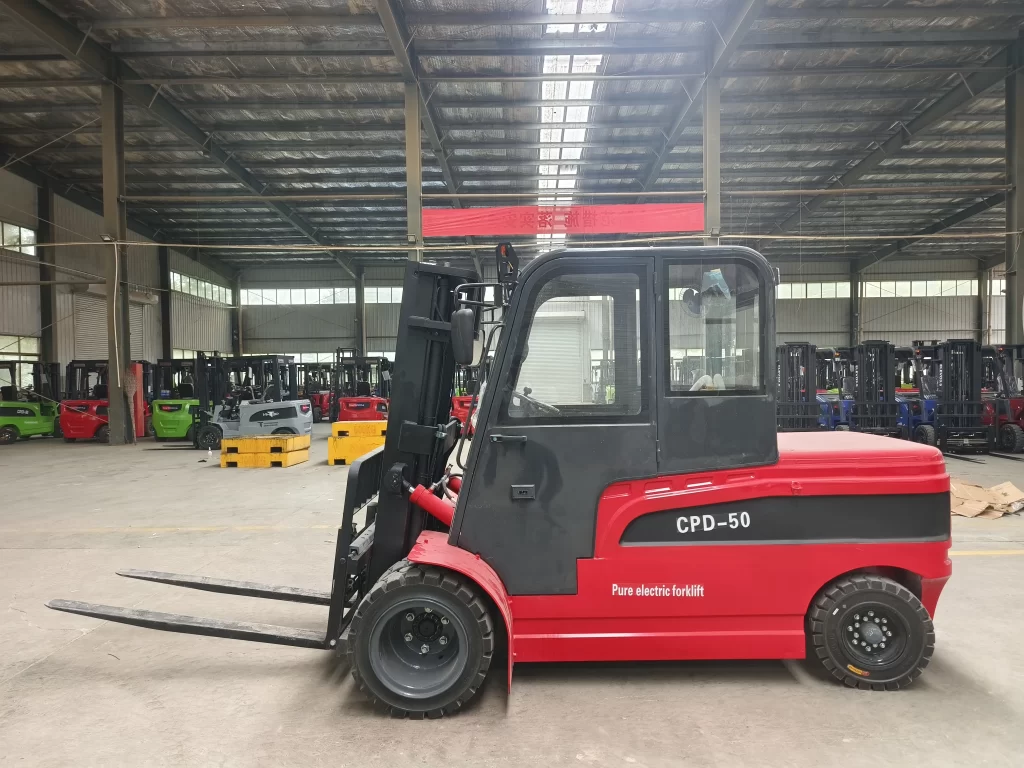
Diesel forklifts are powered by diesel fuel, while electric forklifts operate using lead-acid or lithium-ion batteries.
Maintenance Cost Comparison
Diesel forklifts require regular engine maintenance such as oil changes, fuel filter replacement, and air filter servicing. Electric forklifts generally have lower maintenance costs.
Working Environment Suitability
Diesel forklifts are ideal for outdoor environments and heavy-duty applications. Electric forklifts are better suited for indoor warehouses and emission-sensitive workplaces.
Emission Considerations
Diesel engines generate exhaust emissions that must comply with local environmental regulations. Electric forklifts produce zero tailpipe emissions and are considered environmentally friendly alternatives.
Maintenance Tips for Diesel Forklifts
Maintain the Fuel System
Use clean diesel fuel and replace fuel filters regularly to prevent contaminants from damaging the injection system.
Service the Lubrication System
Change engine oil and oil filters according to the manufacturer’s maintenance schedule.
Check the Air Intake System
Inspect and clean the air filter regularly, especially when operating in dusty environments.
Perform Daily Inspections
Before operation, inspect:
- Tire condition and pressure
- Hydraulic leaks
- Engine oil level
- Coolant level
- Lights and warning devices
- Horn and safety equipment
Safety Tips for Forklift Operators
Follow Safe Driving Practices
Maintain a safe speed and avoid sudden acceleration, braking, or turning.
Observe Load Limits
Never exceed the forklift’s rated load capacity. Ensure loads are centered and securely positioned on the forks.
Operate the Mast Safely
Lift and lower loads smoothly. Avoid driving with elevated loads whenever possible.
Monitor Engine Performance
Stop operation immediately if abnormal noise, overheating, excessive vibration, or unusual exhaust smoke is detected.
How to Choose the Right Diesel Forklift
Determine Load Capacity
Select a forklift with approximately 20% more capacity than your maximum expected load.
Common capacities include:
- 2.5 Ton Diesel Forklift
- 3 Ton Diesel Forklift
- 5 Ton Diesel Forklift
- 10 Ton Diesel Forklift
Consider the Working Environment
Choose the forklift type according to operating conditions:
- Diesel forklift for outdoor operations
- LPG forklift for mixed indoor and outdoor use
- Electric forklift for indoor applications
Select the Appropriate Mast Height
For lifting heights above 4.5 meters, a three-stage mast is generally recommended for improved performance and transport convenience.
Evaluate Fuel Efficiency and Engine Brand
Reliable engine brands such as Isuzu, Mitsubishi, Kubota, Yanmar, and Toyota can provide better fuel efficiency and long-term durability.
Frequently Asked Questions About Diesel Forklifts
How Does a Diesel Forklift Engine Work?
A diesel forklift engine converts diesel fuel into mechanical energy through compression ignition, generating power for driving and lifting operations.
How Long Can a Diesel Forklift Run Continuously?
With proper refueling and maintenance, diesel forklifts can operate continuously in multiple shifts and support 24-hour operations.
What Is the Lifespan of a Diesel Forklift?
A well-maintained diesel forklift can typically last 10 to 15 years or longer, depending on operating conditions.
Are Diesel Forklifts Better Than Electric Forklifts?
It depends on the application. Diesel forklifts are better for heavy-duty outdoor work, while electric forklifts excel in indoor environments with strict emission requirements.
What Size Diesel Forklift Do I Need?
The required capacity depends on your load weight, load dimensions, lifting height, and operating environment.
Conclusion
Summary of How Diesel Forklifts Work
Diesel forklifts are among the most powerful and reliable material handling machines available today. By combining a diesel engine, transmission system, hydraulic lifting system, and counterweight structure, they can efficiently handle heavy loads in demanding industrial environments.
Why Choose a Professional Forklift Manufacturer?
Choosing a professional forklift supplier ensures reliable quality, compliance with international standards, and long-term after-sales support.
With more than 16 years of manufacturing experience, we specialize in diesel forklifts, electric forklifts, warehouse equipment, and customized material handling solutions for customers worldwide.
Contact us today to discuss your project and receive a customized forklift solution tailored to your requirements.