Lithium-Ion Batteries for Electric Forklifts: Are They Worth the Investment?
Introduction: Why Battery Choice Matters for Electric Forklifts
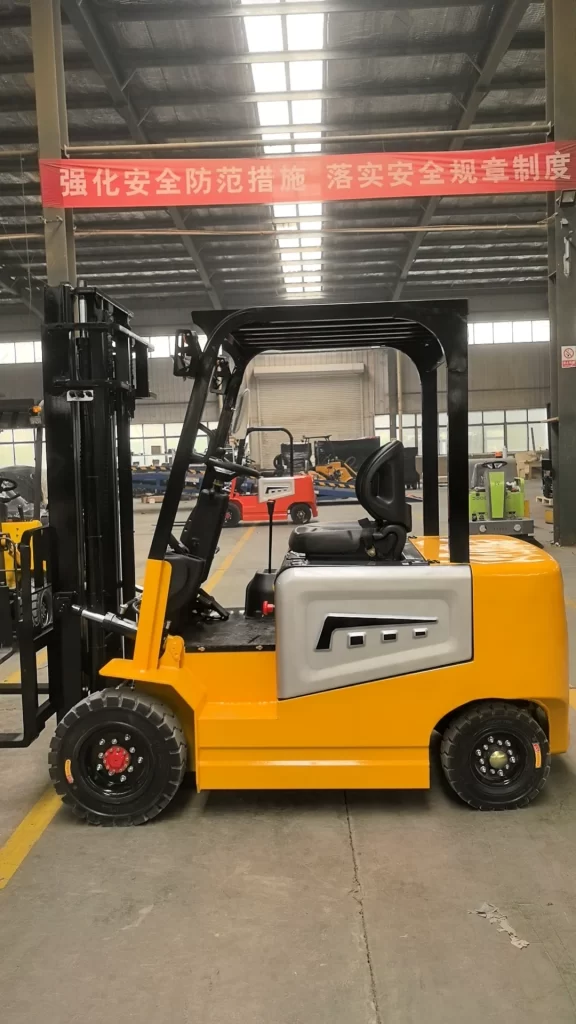
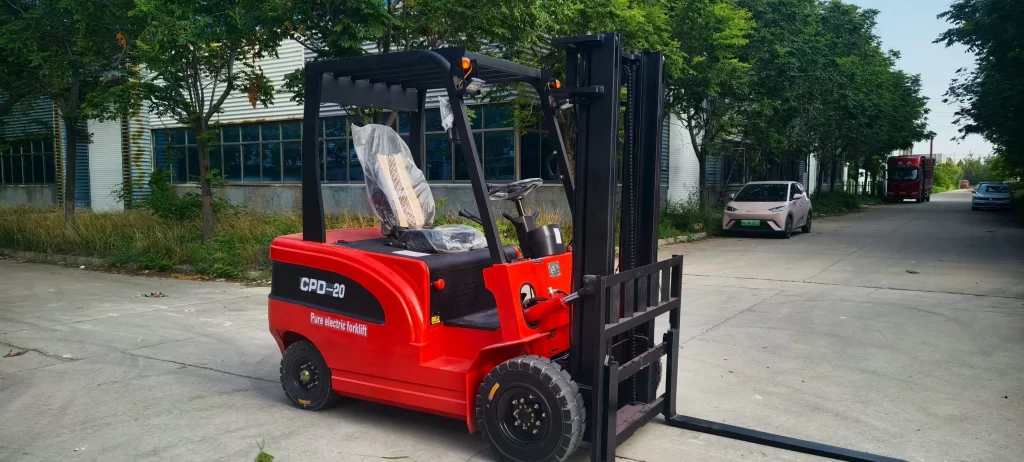
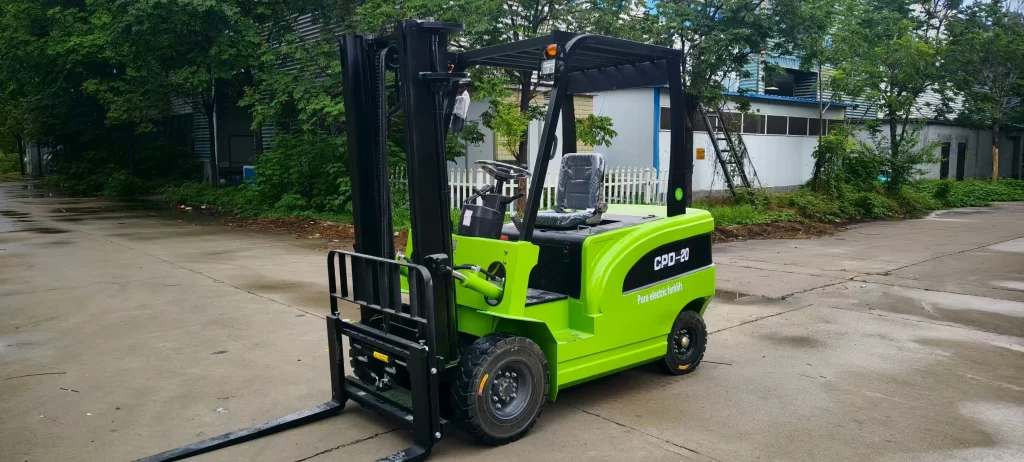
Electric forklifts are industrial material handling vehicles powered by electricity. Batteries are essentially the lifeblood and energy source of the forklift. Besides the hydraulic system, it is the core component of an electric forklift, and the price of the battery accounts for a significant portion of the cost.
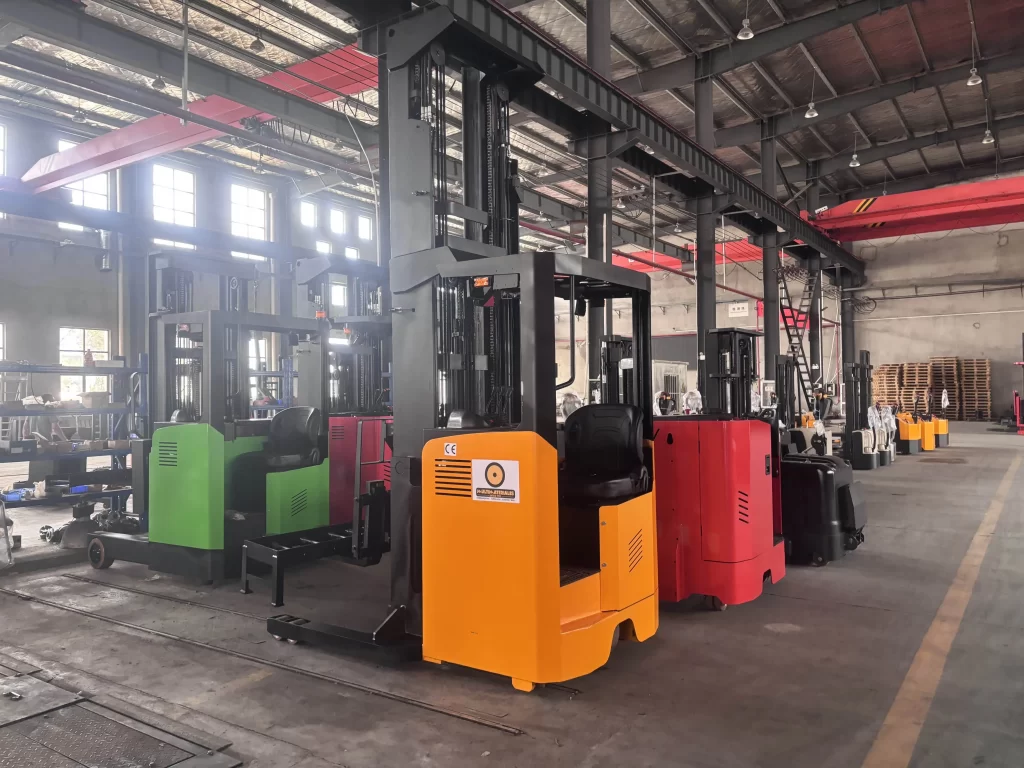
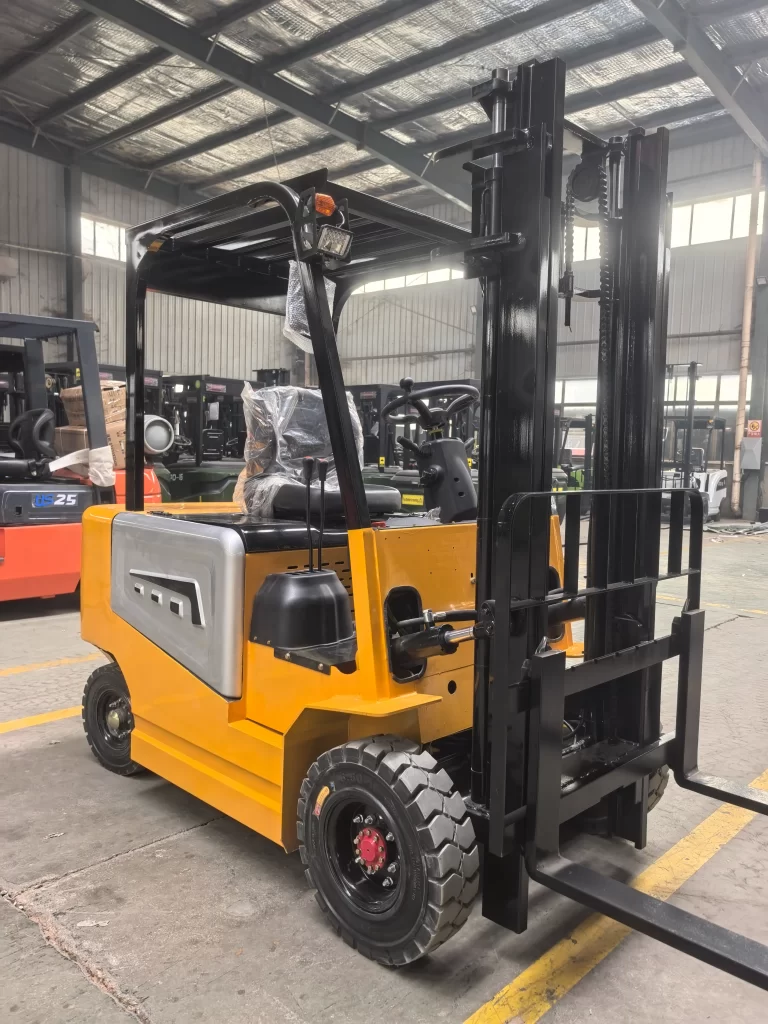
Lithium-ion battery forklifts are motorized industrial vehicles that use lithium batteries as their power source to drive the drive motor and hydraulic system motor, thereby enabling driving and loading/unloading operations. They encompass types such as electric counterbalanced ride-on forklifts, electric ride-on warehouse forklifts, and electric pedestrian warehouse forklifts. Lithium batteries are becoming increasingly popular in the global logistics and electric forklift market.
So the question arises: are lithium-ion batteries really worth the investment?
What Are Lithium-Ion Batteries for Electric Forklifts?
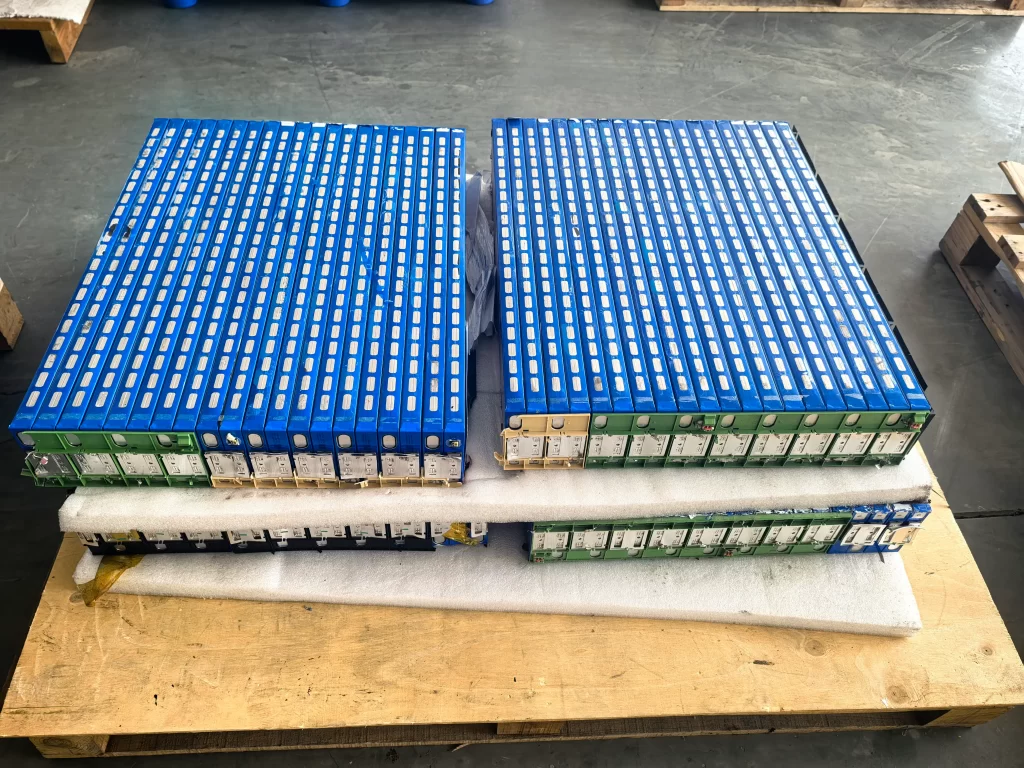
Basic Working Principle of Lithium-Ion Batteries
Lithium-ion batteries store and release electrical energy through the movement of lithium ions between the positive and negative electrodes. During charging, lithium ions move from the positive electrode (usually lithium cobalt oxide or lithium manganese oxide) to the negative electrode (usually graphite).
During discharging, lithium ions move from the negative electrode to the positive electrode through the electrolyte, while electrons flow through external circuits, forming an electric current for external devices.
The electrolyte of the battery is usually a lithium salt in an organic solvent, and the separator prevents direct contact between the positive and negative electrodes.
The insertion and release of lithium ions determines the charge and discharge performance and capacity of the battery.
These principles work together to make lithium-ion batteries highly efficient energy storage devices.
Common Types (LFP / NMC) and Their Applications in Forklifts
The continuous advancement and development of lithium-ion battery material technologies, such as lithium iron phosphate and ternary lithium batteries, has driven down battery costs and further improved energy density and safety, thus leading to a gradual increase in the market penetration of lithium-ion battery forklifts. Currently, lithium iron phosphate (LFP) batteries are used in electric forklifts.
Common examples include lithium battery counterbalance forklifts, lithium battery electric pallet trucks, lithium battery reach trucks, and lithium battery stackers.
Structural Differences Compared to traditional lead-acid batteries:
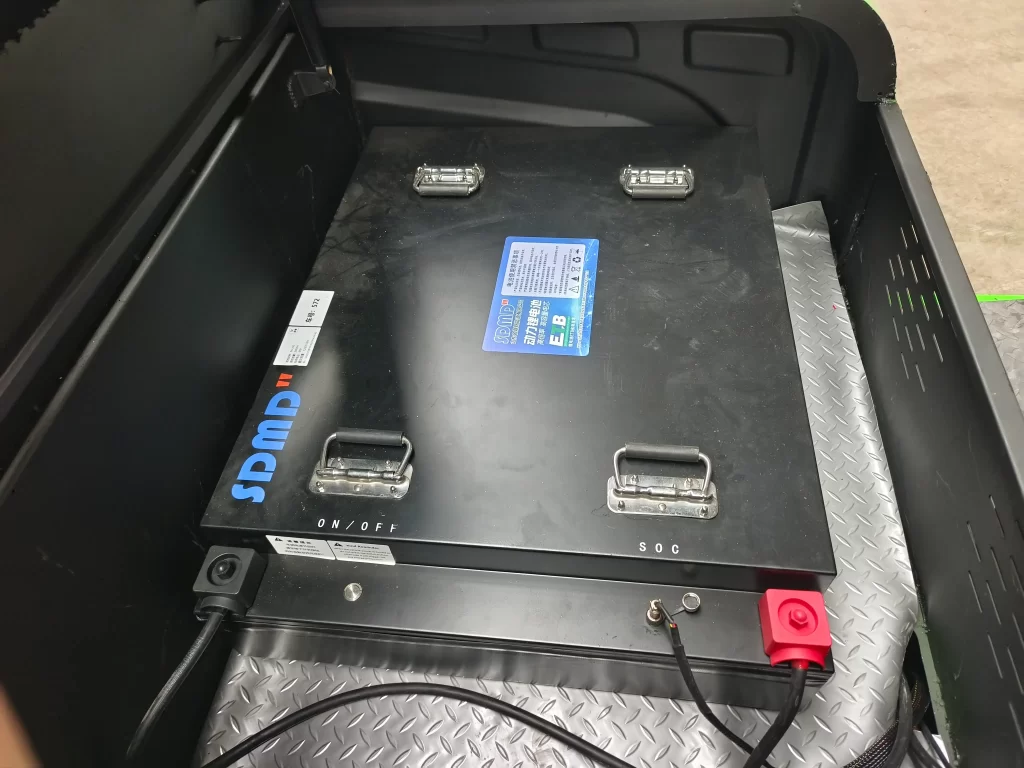
Compared to lead-acid batteries, lithium batteries are significantly lighter, smaller, and have higher energy density. As a result, forklifts using lithium batteries have a more compact design and higher overall stability. In addition, lithium-ion forklift batteries charge faster than lead-acid batteries, have a longer lifespan, lower maintenance costs, and are more environmentally friendly.
Lithium-Ion vs Lead-Acid Batteries: Key Differences
Charging Time and Opportunity Charging

Due to the characteristics of lithium batteries, lithium battery forklifts charge faster than lead-acid battery forklifts and support fast charging, reaching a full charge in approximately 1-2 hours, greatly improving work efficiency and meeting the needs of shift work.
Lithium batteries support charging and use at any time, preventing damage to the battery.
Energy Efficiency and Performance
Lithium batteries have approximately 30% higher discharge efficiency than lead-acid batteries. Even in low-temperature environments like -20°C, lithium battery forklifts can still reliably operate.
Lead-acid batteries achieve a certain voltage by connecting individual lead-acid cells in series and parallel. Each cell has a different voltage, and a low voltage in one cell can easily affect the voltage of the entire battery pack, making lead-acid battery forklifts prone to low power levels. Lithium batteries are composed of small cells, and their voltage is very stable and can reach relatively high voltages.
Maintenance Requirements
The lithium batteries in lithium battery forklifts are maintenance-free, unlike lead-acid batteries which require the addition of water for maintenance.
As a professional electric forklift manufacturer, we also provide maintenance-free lead-acid batteries.
Lifespan and Cycle Life
Lithium-ion batteries have a lifespan of 3000 charge-discharge cycles, providing approximately 5 years of use.
Lead-acid batteries, on the other hand, only have 1000-1500 cycles. However, with advancements in battery technology, lead-acid batteries can now also reach 3000 cycles.
Safety and Reliability of Lithium-Ion Forklift Batteries
- Function of BMS Battery Management System: Lithium-ion battery forklifts can be equipped with a BMS battery management system, which monitors the battery and provides overcharge, over-discharge, and temperature control protection. Our electric forklifts use the same battery cells as CATL (Contemporary Amperex Technology Co., Limited), whose quality and lifespan are superior to other brands of lithium batteries.
Lead-acid battery forklifts, however, do not have this feature.
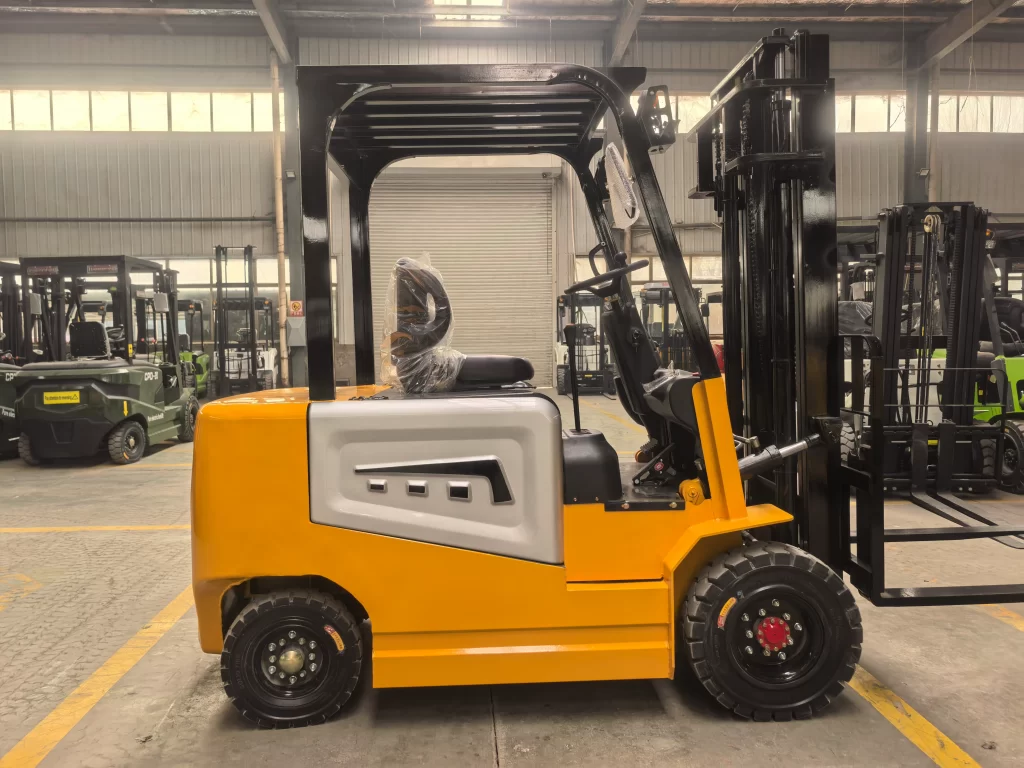
Productivity Gains in Warehouse Operations
Lithium-ion battery forklifts offer the following advantages in logistics and warehousing:
- High-capacity lithium batteries support multi-shift operations without the need for battery swapping.
- The forklift lithium battery is a single unit; when the battery is depleted, a spare battery can be quickly replaced, reducing replacement time.
- Fast charging enables higher forklift uptime.
- More suitable for e-commerce warehouses, while low-temperature discharge meets the needs of cold chain warehouses.
Sustainability and ESG Benefits
The environmental advantages of lithium batteries are as follows:
- Zero emissions, no acid mist
- Complies with environmental regulations (EU / ESG / Carbon Neutral)
- Supports enterprises’ green supply chain strategies.
How to Choose the Right Lithium-Ion Battery forklift Supplier
Choose reputable brand-name cells whenever possible. We use the same cells as CATL, featuring high energy density, long lifespan, ultra-fast charging, safety, temperature control, and a BMS battery management system.
Choose forklifts with lithium batteries equipped with a BMS management system.
Electric forklift manufacturers that provide after-sales service and warranty. We offer a one-year warranty, while our forklift lithium batteries offer a five-year warranty.
Forklift manufacturers that support customization, including battery capacity and fast charger customization.
Conclusion: Are Lithium-Ion Batteries Worth the Investment?
The superior performance of lithium batteries makes them increasingly important in the logistics and warehousing industries. Lithium-ion battery forklifts, with their fast charging capabilities and high-density energy, can meet the demands of busy warehouse operations and improve work efficiency, making them an indispensable mainstay in logistics and material handling vehicles. Therefore, lithium-ion battery forklifts are worthwhile purchases and a worthwhile investment in logistics operations. Although the initial cost of lithium batteries is high, considering their lifespan, energy consumption costs, and maintenance costs, these costs are amortized over the long term, reducing the daily operating costs of lithium-ion battery forklifts. Over the long term, you will find that lithium-ion battery forklifts have lower daily operating costs and depreciation compared to diesel or lead-acid battery forklifts. Therefore, in the long run, lithium-ion battery forklifts offer better value for money.
If you have any questions about electric forklifts or lithium-ion battery forklifts, you can contact us for professional selection advice.
We can provide you with customized electric forklift solutions.