Food and Beverage Industry: What Hygiene and Safety Standards Should Be Considered When Choosing Electric Forklifts?
What are electric forklifts?
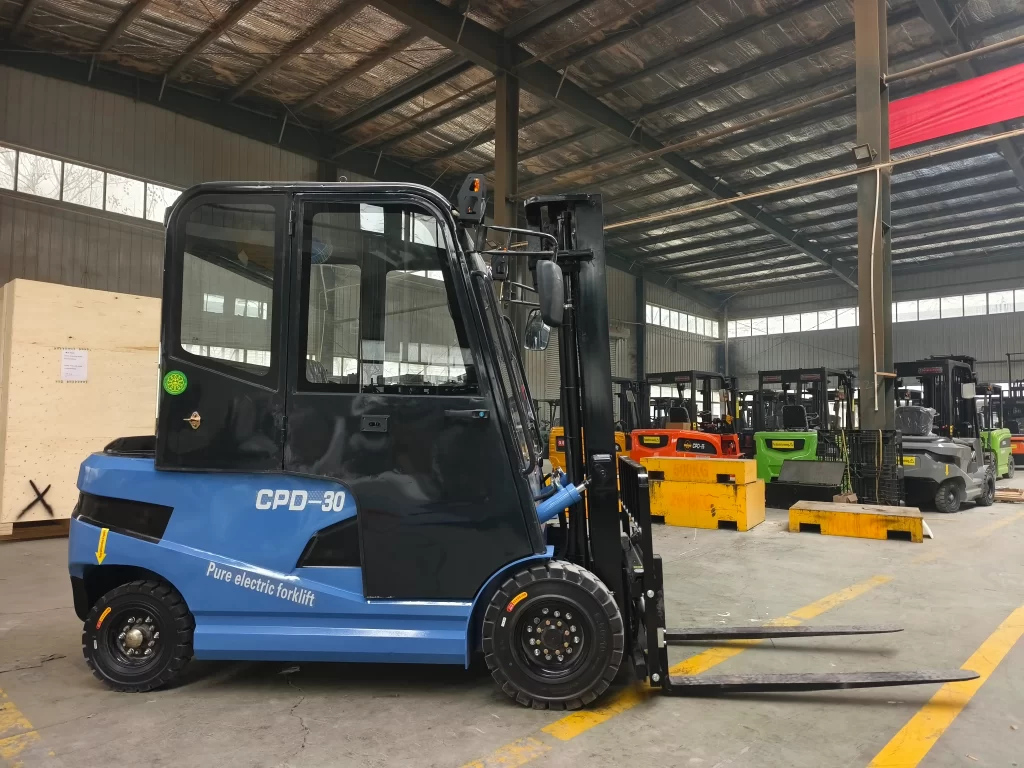
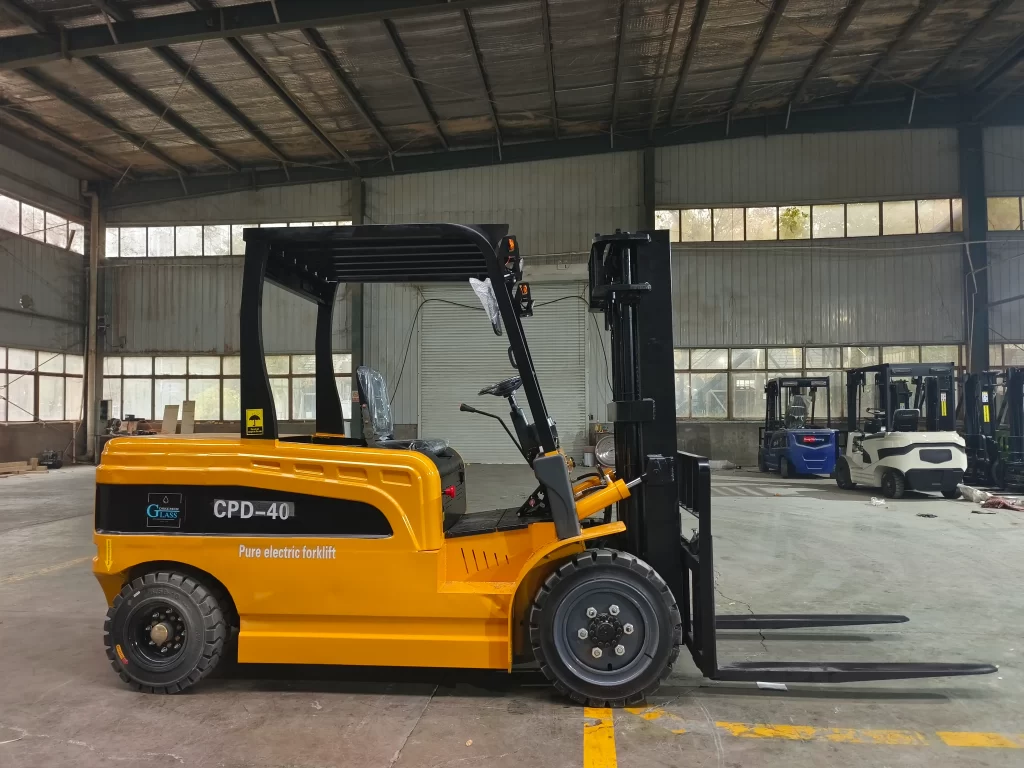
Electric forklifts are material handling tools that use electricity as their energy source. They are environmentally friendly and quiet, and also have explosion-proof features, making them suitable for indoor and explosion-proof environments, such as pharmaceutical, food, mining, and cold storage facilities.
Electric forklifts, operating smoothly in pharmaceutical and food cold storage facilities, and internal combustion forklifts navigating foundry workshops, are both called “forklifts,” but the selection logic behind them is separated by a professional divide across the entire industrial world. Electric forklifts are becoming increasingly important in modern production, and their applications and adaptability are more extensive compared to diesel forklifts.
A warehouse manager at a food processing plant once caused imported cheese worth hundreds of thousands of yuan to be slightly scratched during handling due to a wrong forklift selection, resulting in the entire batch facing the risk of being returned due to damaged packaging.
The food industry has almost stringent requirements for forklifts. This is not just about choosing handling tools, but also a crucial link in the food safety system.
Regarding cleanliness, EU EHEDG (Sanitary Engineering Design Organization) and US FDA standards clearly require that equipment in areas that come into direct contact with food must be made of stainless steel, have a seamless design, and an easy-to-clean structure. The grooves and screw interfaces of ordinary forklifts can become breeding grounds for microorganisms.
Advantages and standards of electric forklifts
Therefore, when selecting electric forklifts in the food and beverage industry, the following hygiene and safety standards should be given special attention:
- Material Selection: The outer shell and key components of the electric forklift should be made of easy-to-clean, corrosion-resistant materials, such as stainless steel or food-grade plastics, to prevent bacterial growth and withstand frequent cleaning and disinfection.
- Waterproof and Dustproof: Electric forklifts need to have good waterproof and dustproof performance to ensure stable operation in humid or polluted environments. IP54 or higher protection rating is a basic requirement.
- Explosion-proof Function: In some food and beverage production environments, flammable and explosive gases or dust may be present. Electric forklifts need to have explosion-proof functions, complying with ATEX or other relevant standards.
- Noise Control: Food and beverage production workshops typically have high requirements for noise control. Electric forklifts should use low-noise motors and transmission systems to ensure that the noise generated during operation meets industry standards.
- Safety Protection: Electric forklifts should be equipped with emergency braking systems, anti-slip devices, and anti-collision devices to prevent accidents. In addition, operator safety protection measures also need to be strengthened, such as equipping them with seat belts and guardrails.
- Low-Temperature Operation: Temperature adaptability is another major challenge. Forklifts frequently entering and exiting cold storage (-25°C to 0°C) and freezer (below -30°C) must be equipped with low-temperature hydraulic fluid, seals, and batteries. When ordinary forklifts enter cold storage, the hydraulic system becomes abnormally viscous, and the capacity of ordinary lead-acid batteries can decrease by up to 50% at low temperatures. Lithium batteries can operate at temperatures as low as -20°C, making lithium battery forklifts the best choice for cold storage.
- Non-Signal Tires: Dust-free and cleanliness are the primary requirements. In Class C and higher clean areas, forklifts must ensure zero particle shedding and zero oil leakage. This requires fully enclosed drive systems, dust-free brake pads, and even special tire materials to prevent debris from forming on the ground. Airflow design must also be considered to avoid disrupting the airflow organization within the cleanroom. Electric forklifts should be equipped with non-markal tires to meet the cleanroom environment requirements of food and pharmaceutical warehouses.
These standards ensure the safe use of electric forklifts in the food and beverage industry, reduce the risk of infection, improve operational efficiency, and meet industry compliance requirements.
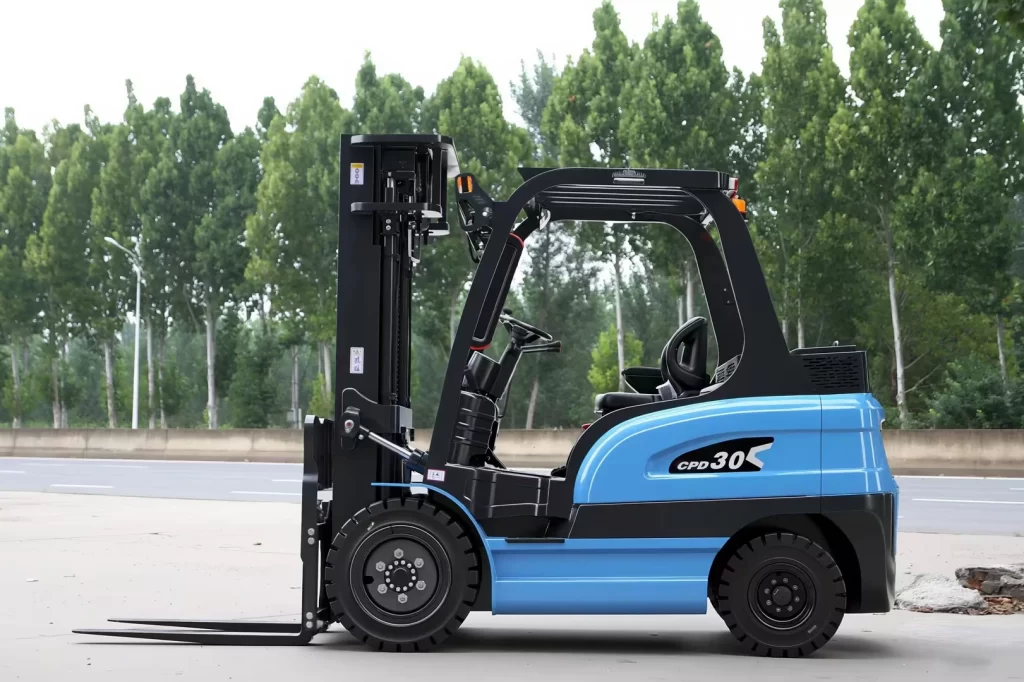
We are a professional electric forklift manufacturer that supports forklift customization, including lithium battery forklifts, fast charging forklifts, and other customized forklift functions. We can provide you with cost-effective forklift and material handling solutions.