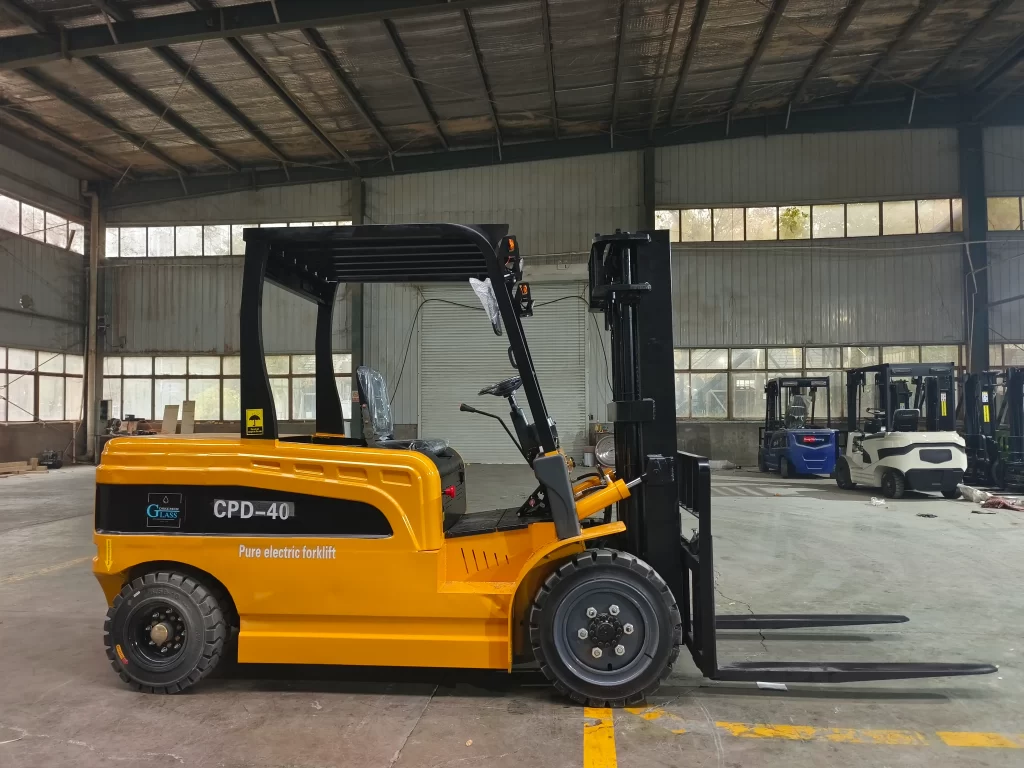
What are the advantages of using electric forklifts indoors versus outdoors?
In recent years, with the rapid development of the new energy industry and the deepening implementation of the “dual carbon” policy, electric forklifts have become core material handling equipment in logistics warehousing, manufacturing, and other sectors due to their advantages of low energy consumption, zero emissions, and low noise. So what are the advantages of electric forklifts for indoor versus outdoor use?
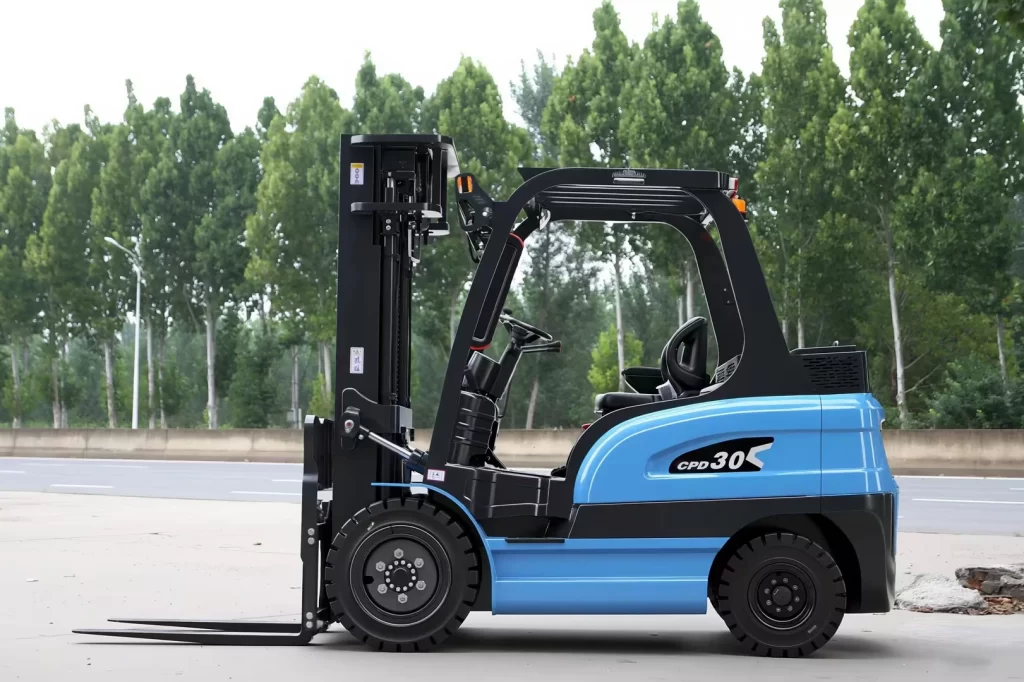
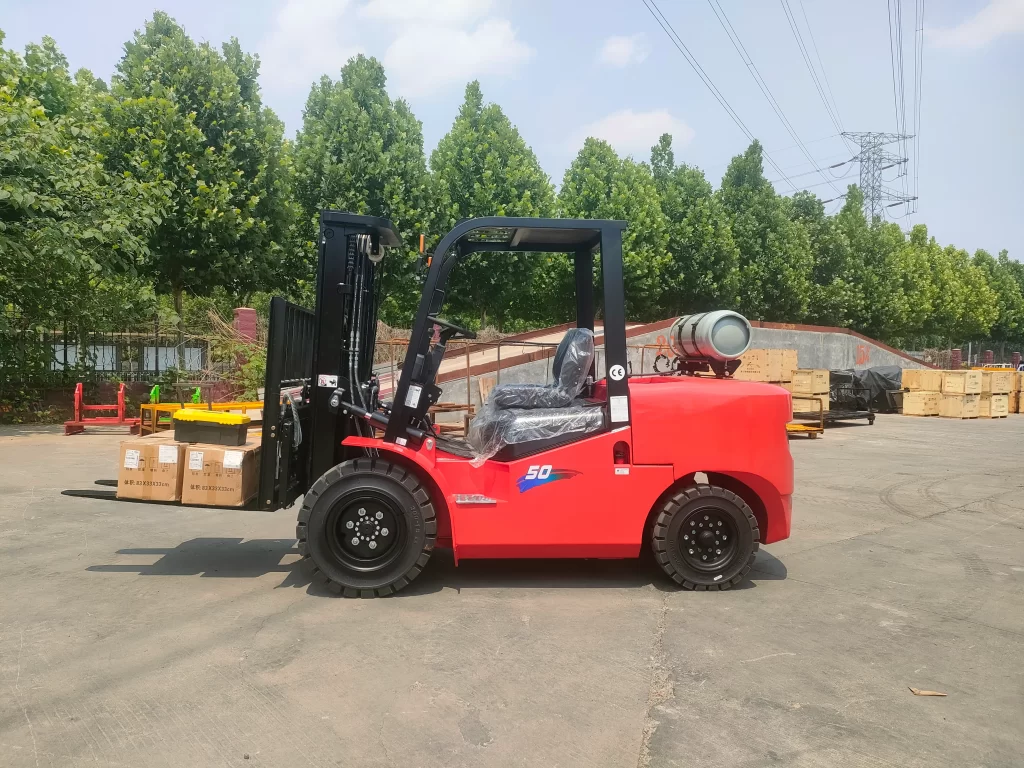
Advantages of electric forklifts for indoor use.
Electric forklifts (typically battery-powered models) have become the dominant choice in modern warehousing and logistics, surpassing traditional fuel-powered forklifts (diesel, gasoline/LPG). Their advantages are primarily reflected in the following aspects:
Core Advantage: Environmental Friendliness and Zero Emissions
This is the most significant advantage of electric forklifts.
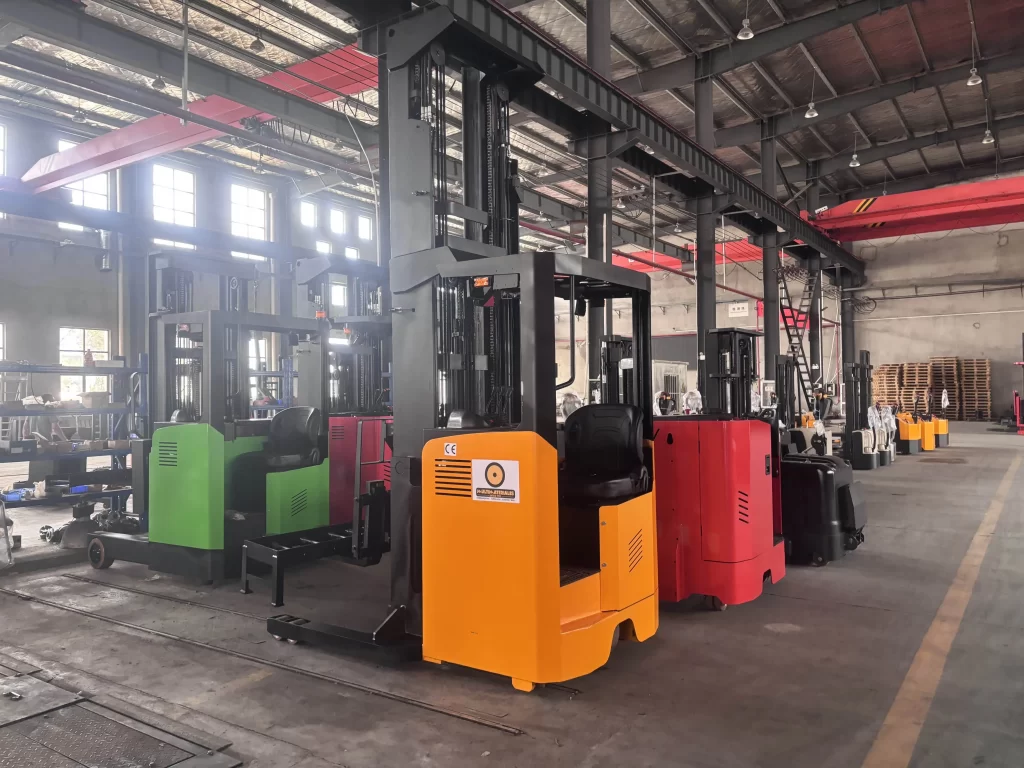
- Zero Exhaust Emissions: Electric forklifts produce no harmful gases (such as carbon monoxide, hydrocarbons, nitrogen oxides, etc.) during operation, making them ideal for indoor environments. This is particularly crucial in industries with stringent air quality requirements—such as food processing, pharmaceuticals, electronics, and cold chain logistics—ensuring employee health and safety.
- Low Noise: Electric motors operate at significantly lower noise levels than internal combustion engines. This makes them highly suitable for quiet environments like libraries, hospitals, office buildings, and nighttime operations, while also reducing operator hearing damage and fatigue.
- Compliance with Environmental Regulations: As global requirements for carbon emissions and environmental protection become increasingly stringent, using electric forklifts is a wise choice for businesses seeking green operations and fulfilling social responsibilities.
Advantages of Electric Forklifts for Outdoor Use
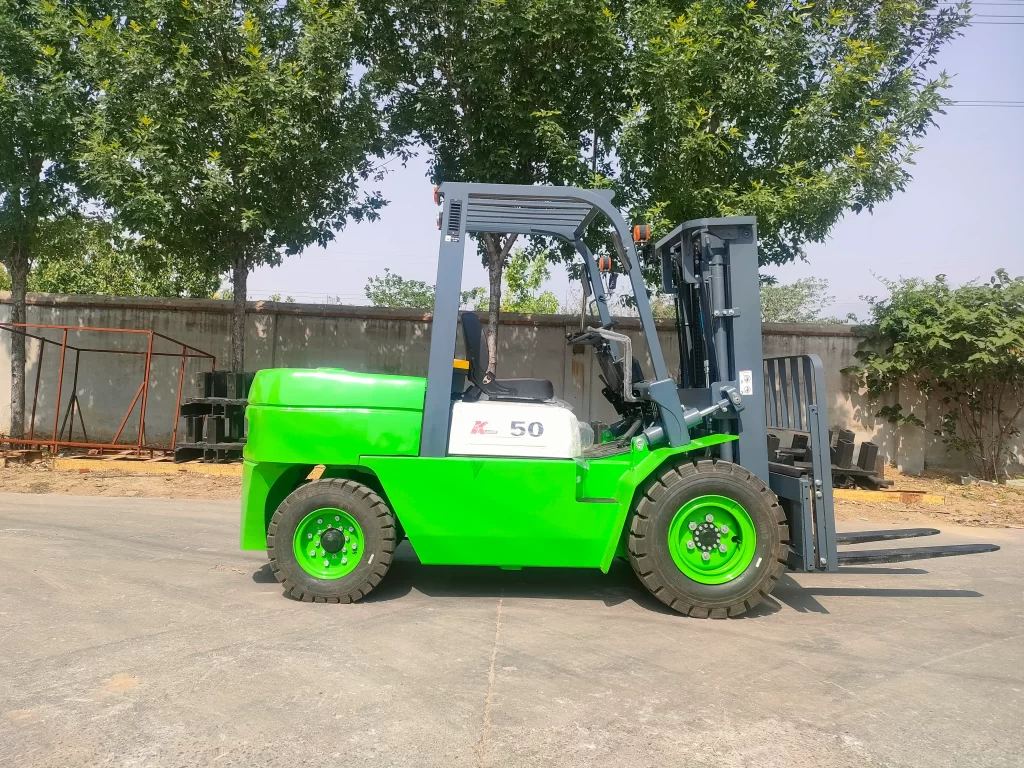
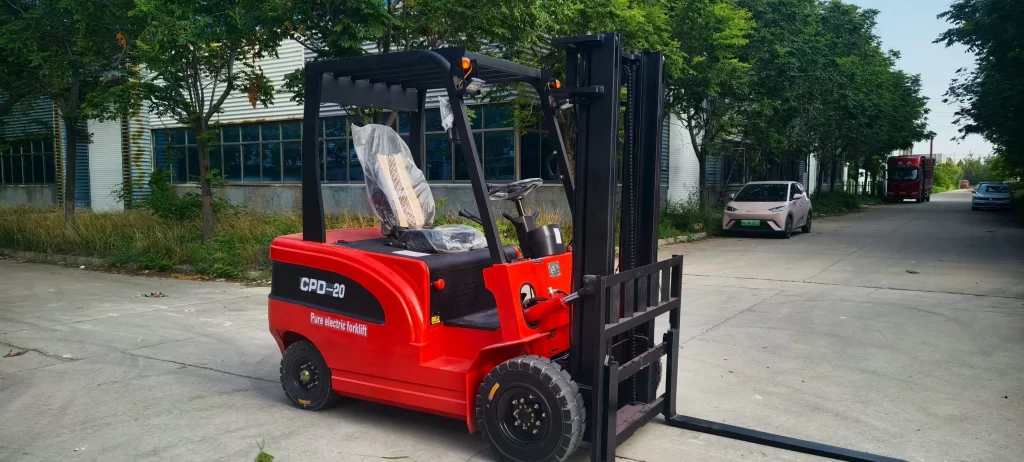
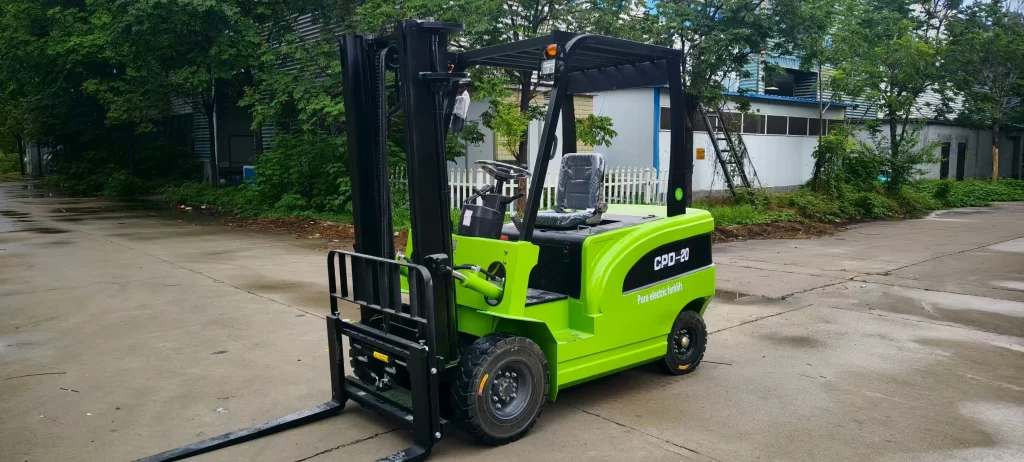
In countries like China, Europe, the United States, and Australia, forklifts must meet local emission standards to operate on public roads. For instance, in the U.S., diesel or LPG forklifts require compliance with EPA emission standards. In Europe, countries like Spain mandate Euro 5 emission standards for road use. Customizing engines to meet these standards significantly increases the cost of diesel or LPG forklifts, often exceeding buyers’ budgets. This makes electric forklifts a viable alternative to diesel models. Compared to diesel forklifts, electric forklifts offer zero emissions, aligning better with international standards. They also feature lower initial purchase costs and reduced maintenance expenses, establishing them as a primary material handling solution. Classified as special equipment, electric forklifts are road-legal and offer comparable load capacities to internal combustion models. Electric forklifts can be fitted with either solid tires or pneumatic tires to adapt to different terrains. Off-road electric forklifts are now available to meet demands for operation on rugged surfaces.
Disadvantages of Electric Forklifts
Beyond their advantages, electric forklifts also present drawbacks.
Water Resistance: Electric forklifts have poor water resistance and cannot operate in rainy conditions, risking short circuits. However, they are typically not used during rainfall.
Battery Life: A single battery cannot sustain 24-hour operation, necessitating shift work with fully charged batteries or a spare battery on standby. Prolonged operation also hinders productivity and increases accident risks. Daily maintenance checks are essential to ensure reliability and safety.