Difference Between Propane and Electric Forklift
Initially, electric forklifts and propane forklifts were considered two distinct types of forklifts. However, they share similar functions and each has its own unique advantages and disadvantages. We will now explore the differences between electric and propane forklifts. Although these two products are similar in most parameters, such as rated load, lifting height, and load center, we need to compare their performance and characteristics when making a purchase decision.
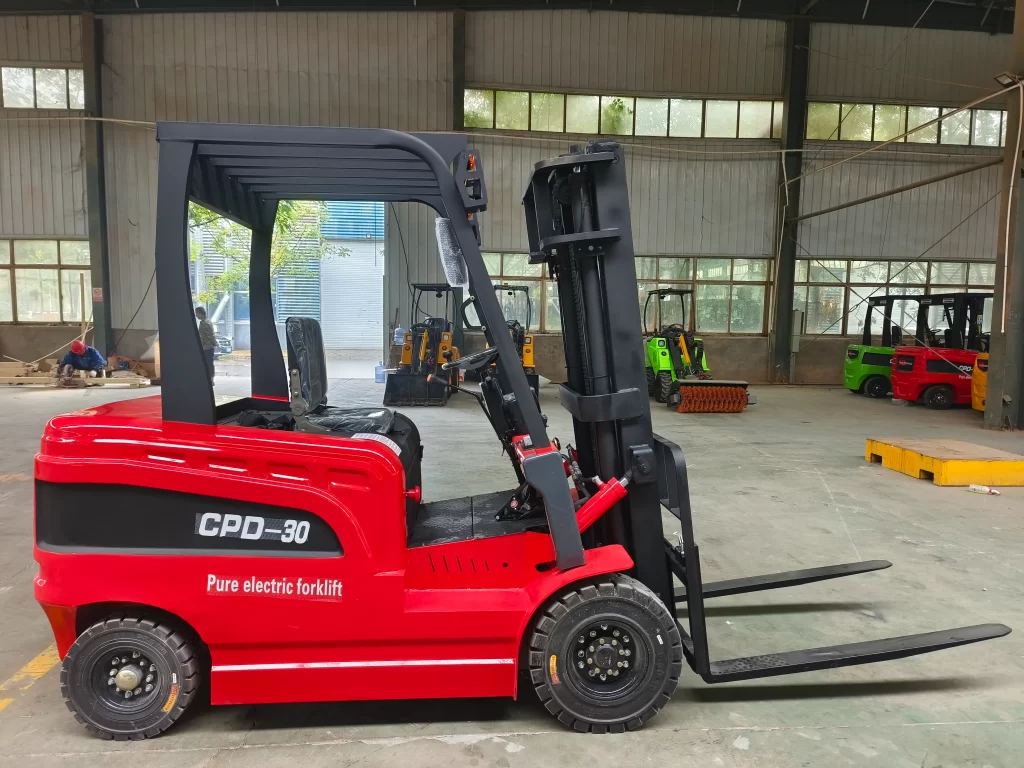
A forklift’s overall structure generally consists of four main parts: the power unit, the chassis, the working parts, the hydraulic system, and the electrical equipment. Regardless of the variety of forklift types, the differences in the structure and assembly position of these parts create different types of forklifts. For example, counterbalance forklifts typically use an internal combustion engine as their power source, while electric forklifts are powered by batteries and DC motors.
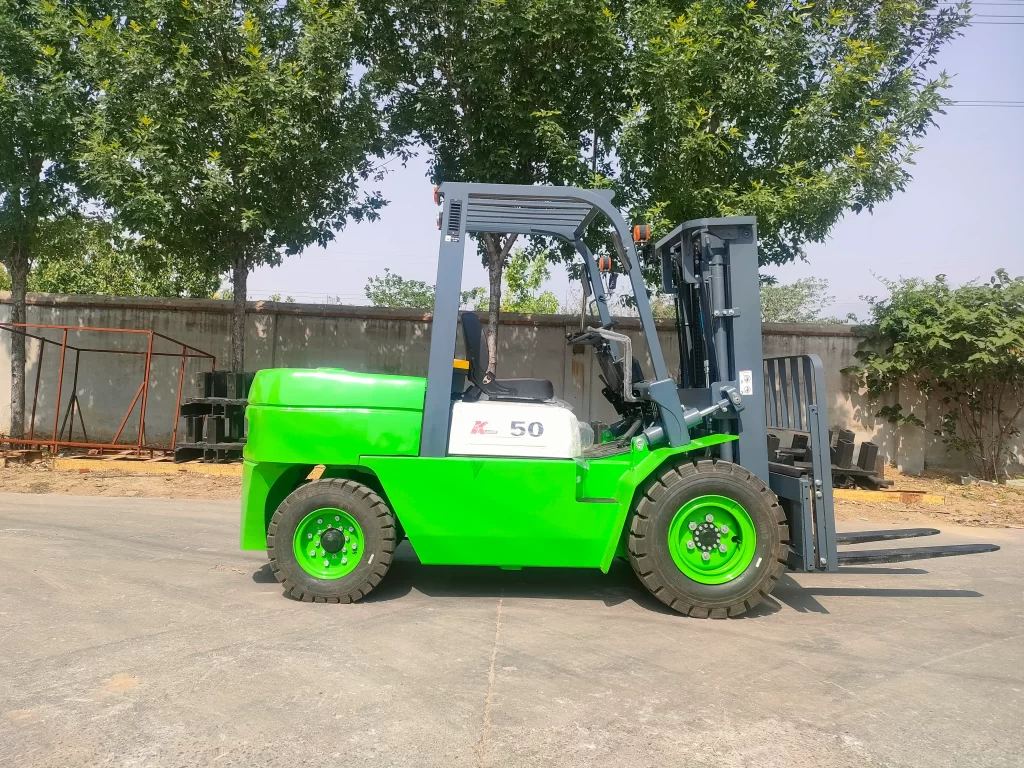
Essentially, the difference between electric and propane forklifts lies in their energy source: the former uses electricity, while the latter relies on natural gas. Due to their electric drive, electric forklifts produce almost no noise or pollution compared to internal combustion forklifts and are easier to maintain. LPG forklifts are also a type of forklift that uses clean energy. They differ fundamentally in their construction.
LPG forklift engines and electric forklift motors
Propane forklift engines are relatively expensive and complex, and come from various brands, such as Nissan dual-fuel engines, Guangqing engines, and German Deutz engines. Some LPG forklift engines meet EPA and Euro 5 emission standards, allowing local importers to import the forklifts as long as they comply with the emission standards of their respective countries (Euro 5, EPA, etc.).
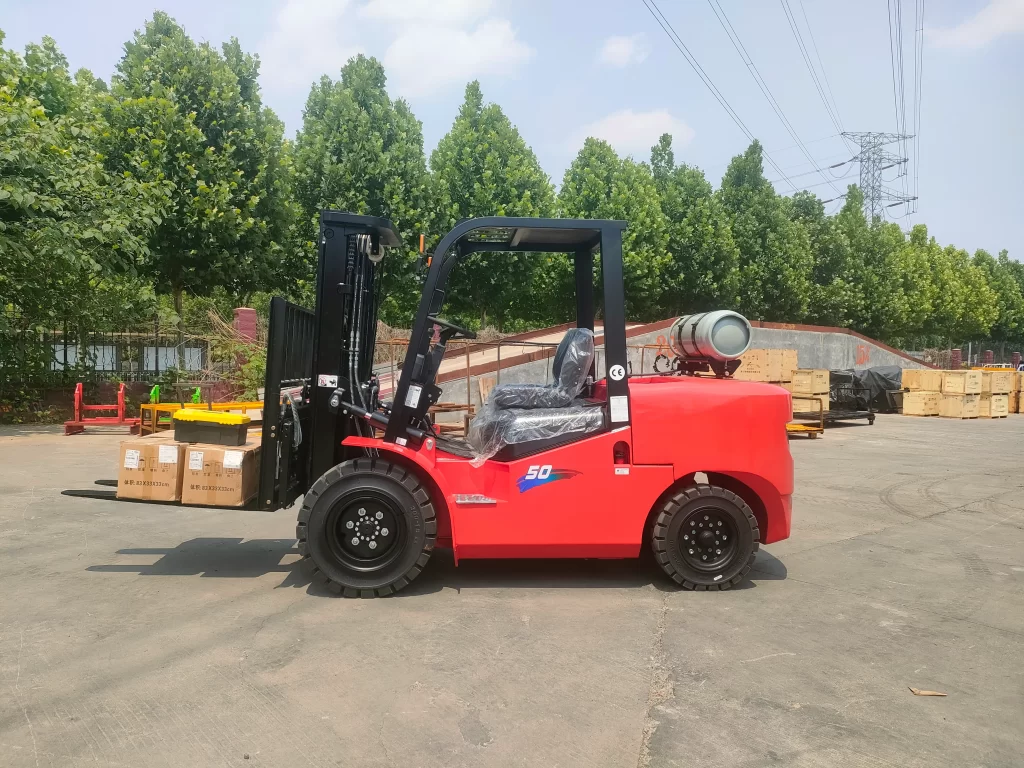
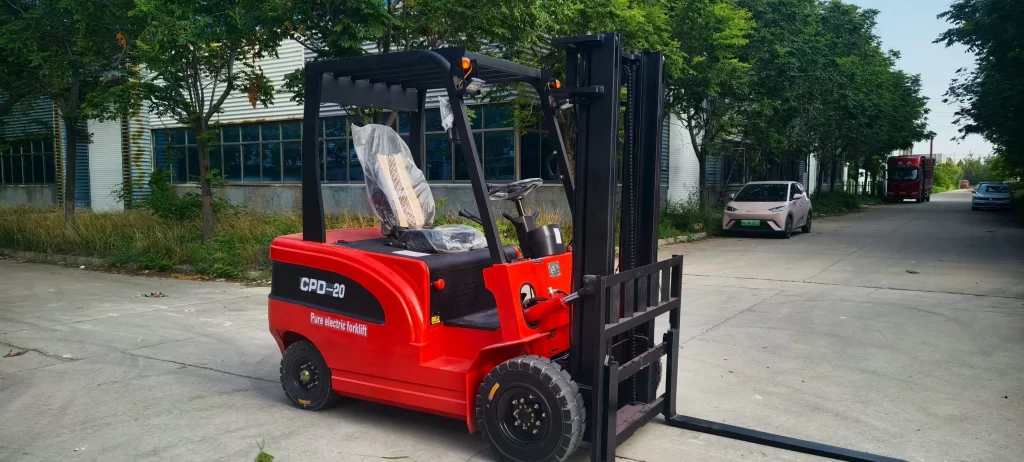
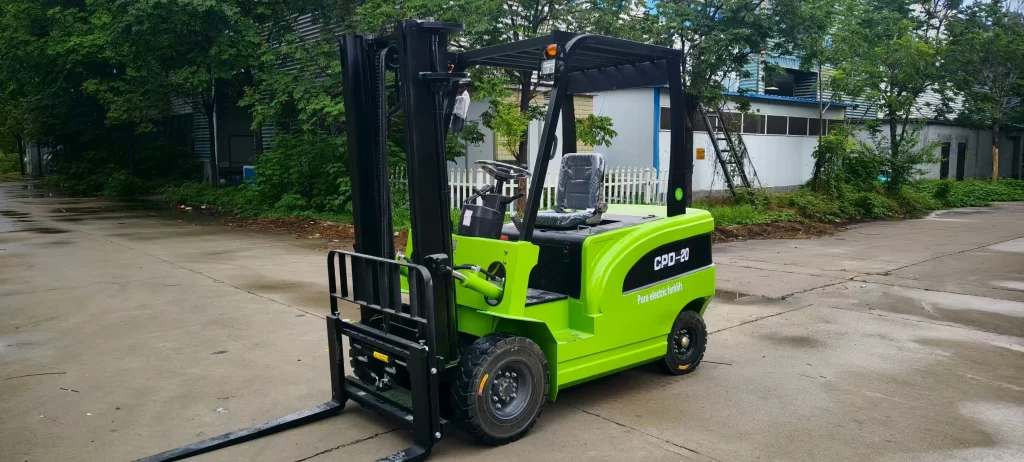
Electric forklift motors are simpler. Electric forklifts are a new energy source for industrial material handling vehicles, emitting almost no emissions and meeting the emission standards of various countries. The working principle of an electric forklift is that the motor drives a hydraulic pump in the hydraulic system to achieve lifting and other functions. Furthermore, the lifting capacity of electric forklifts can range from 1T in compact electric forklifts to 10T in heavy-duty electric forklifts. Due to advancements in motor technology, the load capacity of electric forklifts is not weaker than that of diesel or propane forklifts.
Different Energy Sources
LPG forklifts use natural gas or oil as their energy source to power the forklift. For example, an LPG dual-fuel forklift consumes 6-7 liters of fuel per hour, while an electric forklift consumes only 4 kilowatt-hours of electricity per hour. You can calculate your costs based on local prices and you’ll find that the energy consumption cost of an electric forklift is significantly lower than that of an internal combustion forklift.
Differences in Operating Costs: Electric Forklifts vs. Diesel Forklifts
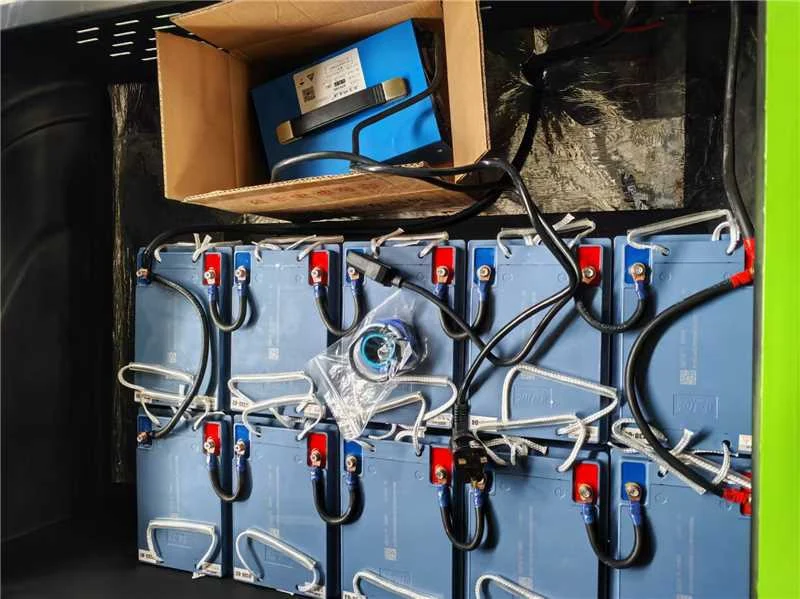
Electric forklifts have relatively lower operating costs because they only require the purchase of batteries and charging equipment. Furthermore, electric forklifts have lower maintenance costs because they do not have complex engines and transmission systems.
Internal combustion forklifts have relatively higher operating costs because they require the purchase of fuel and lubricants, and regular oil and filter changes. In addition, internal combustion forklifts have higher maintenance costs because they have complex engine and transmission components.
Different Types:
LPG forklifts are limited to a single type, almost exclusively.
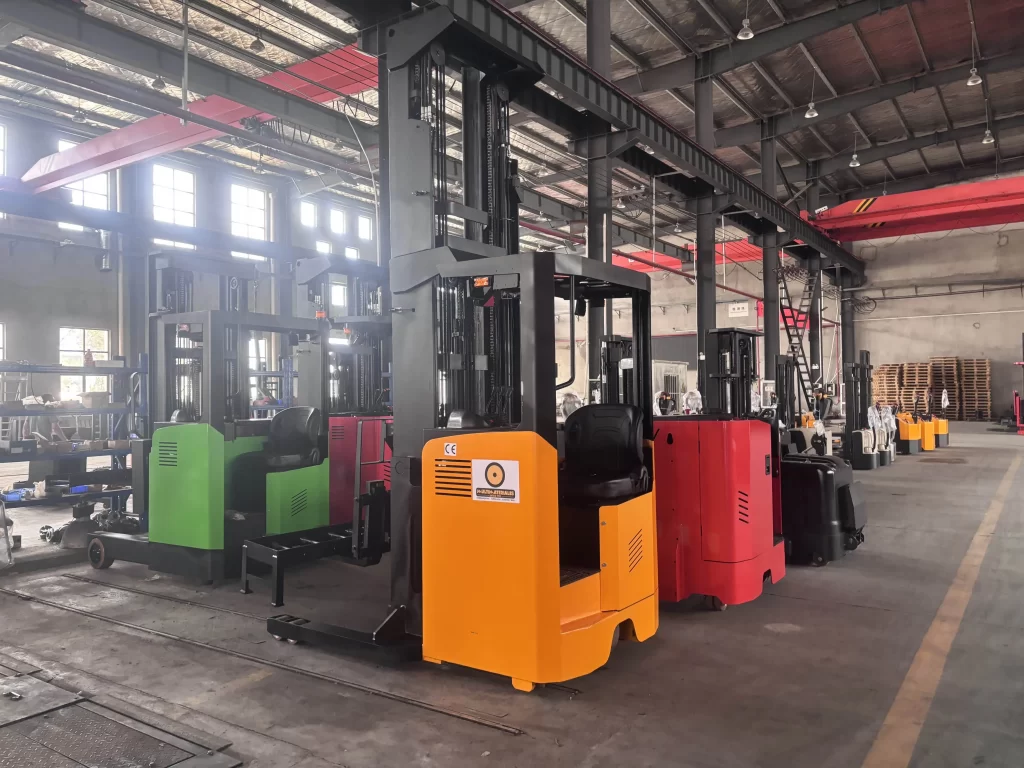
Electric forklifts come in a wide variety, from electric pallet trucks, electric stackers, counterbalanced electric forklifts, four-way forklifts to reach trucks, etc. Due to the simple and compact design of electric motors, electric forklifts come in a wide variety of types, becoming the most popular material handling tools and significantly improving work efficiency.
Different Operating Environments
Propane forklifts and electric forklifts are suitable for indoor use due to their low pollution levels, making them ideal warehouse forklifts. However, like other internal combustion counterbalance forklifts, propane forklifts have a large turning radius, generally over 2 meters, making them less suitable for confined spaces.
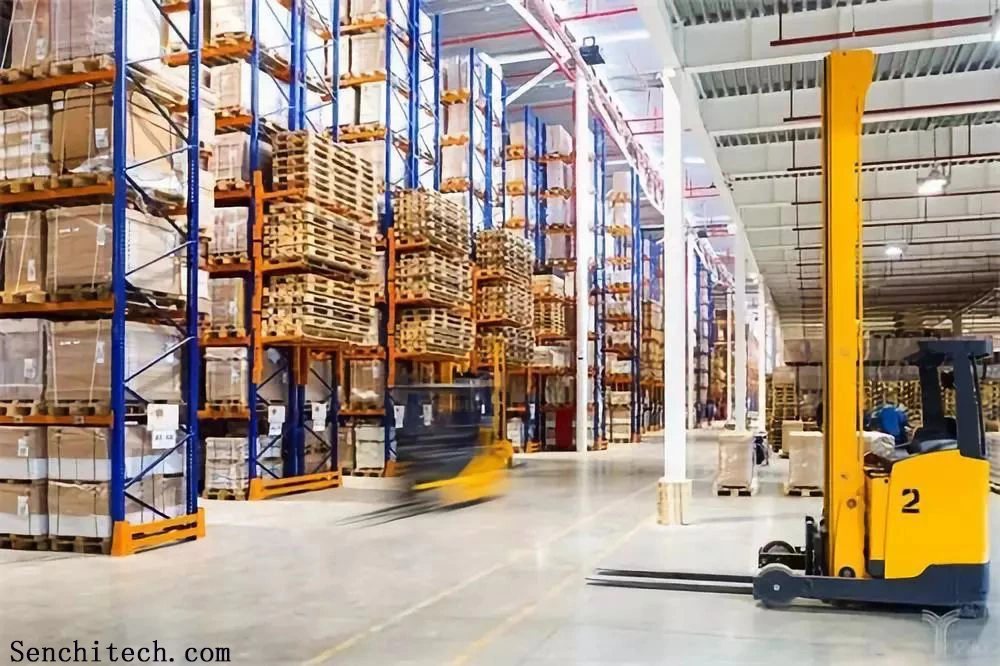
Electric forklifts, including electric stackers and reach trucks, have a turning radius of around 1.5 meters, allowing them to operate in relatively narrow spaces. They are also simpler and faster to operate. We are a professional forklift manufacturer, providing various material handling tools including electric forklifts, diesel forklifts, and manual pallet trucks. Tell us your needs, and we will provide you with the perfect warehousing solution.