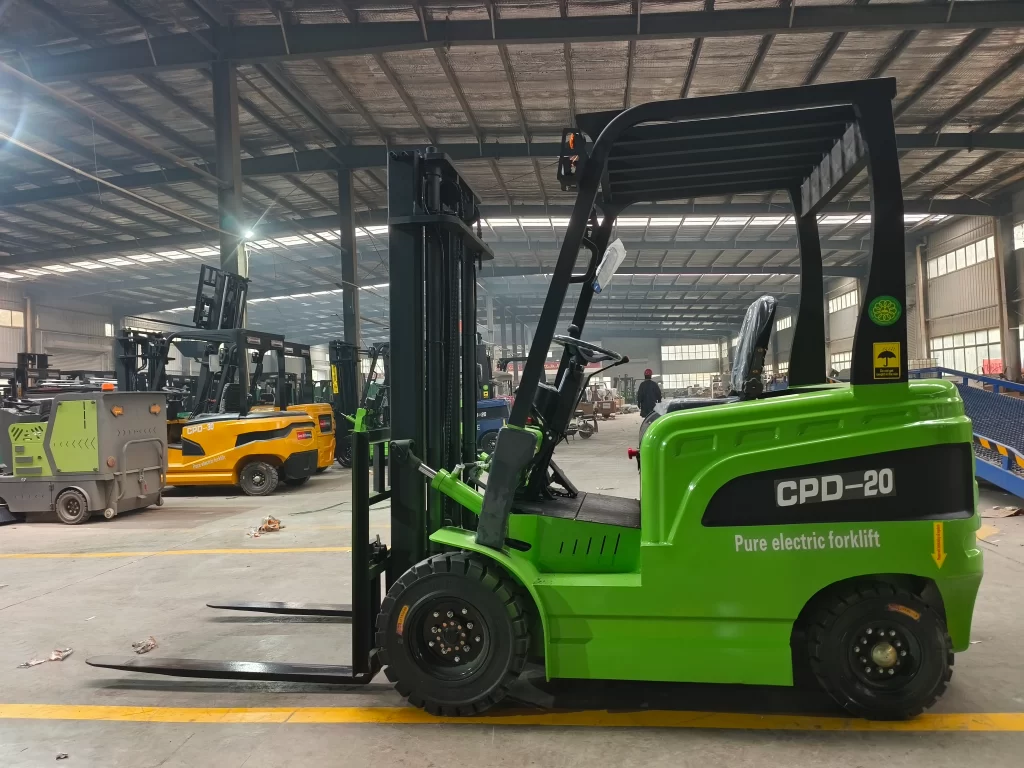
Can electric forklifts meet my high-intensity work needs?
With technological advancements, electric forklifts have replaced internal combustion forklifts in many applications. Electric counterbalance forklifts are becoming increasingly popular in many countries. So, can electric forklifts meet our high-intensity work needs? This question involves two key points: the load-bearing capacity of the electric forklift and its range.

To answer this question, we need to understand what an electric forklift is.
What is an electric forklift?
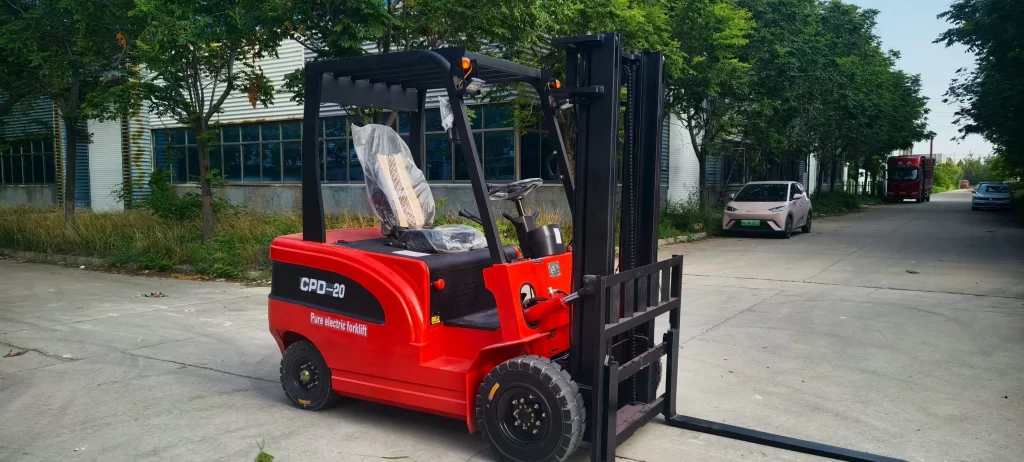
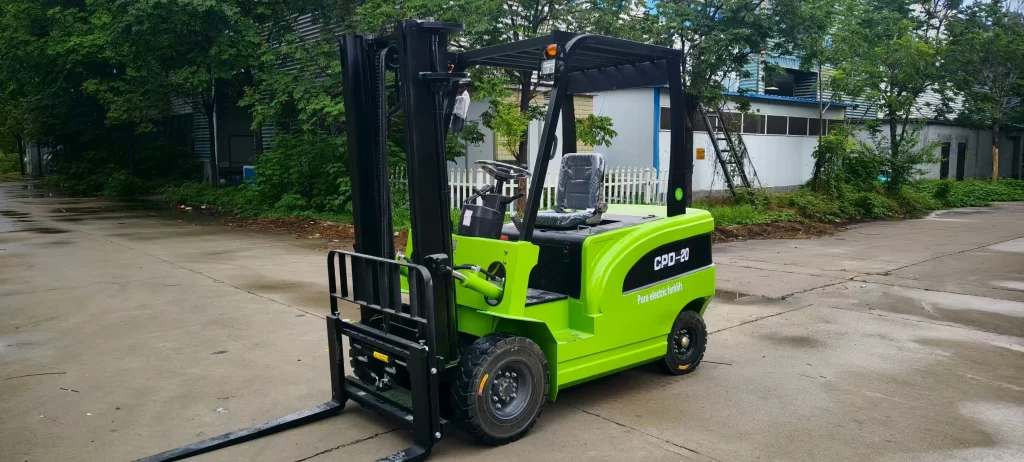
An electric forklift is an industrial material handling vehicle that uses electricity as its energy source. Its main components consist of the chassis, hydraulic system, motor, battery, and controller.
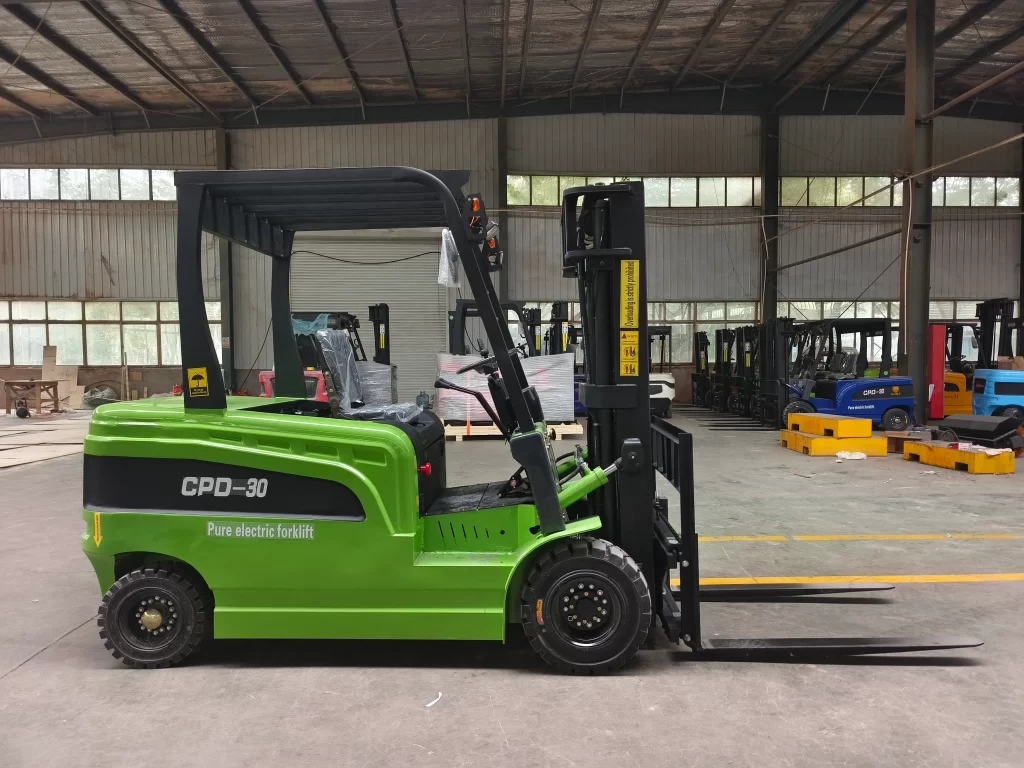
Electric forklift’ lifting capacity
Unlike the gear pump in a diesel forklift, an electric forklift primarily uses a motor to drive a hydraulic system to lift objects. The motor’s construction is relatively simple, including a stator, rotor, and other accessories. The motor converts electrical energy into mechanical energy through electromagnetic induction. Unlike an internal combustion engine, it is not as complex, requiring additional cylinders or other mechanisms to increase its working capacity. Therefore, the simpler the construction, the more responsive the motor, and the lower the price. The popularity of Tesla and BYD electric vehicles in modern society is a testament to the significant advancements in motor technology. Therefore, there’s no need to worry about the lifting capacity of electric forklifts.
For example, a 5000lb electric forklift with a 5kW lifting motor has the same lifting capacity as a 2.5T diesel forklift, capable of lifting 2.5T of goods from a height of 3 meters.
Therefore, there’s no need to worry. Electric forklifts are more agile in lifting goods, and their load capacity is in no way inferior to diesel forklifts. The load capacity range of electric forklifts is mainly from 0.5T to 10T, similar to the tonnage of popular internal combustion forklifts on the market.
Electric Forklift Range Issues
As electric forklifts gradually replace traditional internal combustion forklifts, they are increasingly popular in daily use. One key concern is their battery life, much like with smartphones, where performance is considered alongside battery life. Electric forklifts primarily rely on electricity, and such products always need to consider battery life.
As a high-intensity transportation tool in warehousing and logistics, the battery life of electric forklifts is crucial. Insufficient battery life directly leads to reduced work efficiency, making battery life a primary concern for many consumers when purchasing electric forklifts.
Electric forklift batteries are mainly divided into lead-acid batteries, lithium batteries, and battery packs. The battery life can be increased by adding capacity, allowing for 8 hours or more of daily work. However, lead-acid batteries cannot use fast charging. For higher-intensity operations, lithium batteries are recommended.
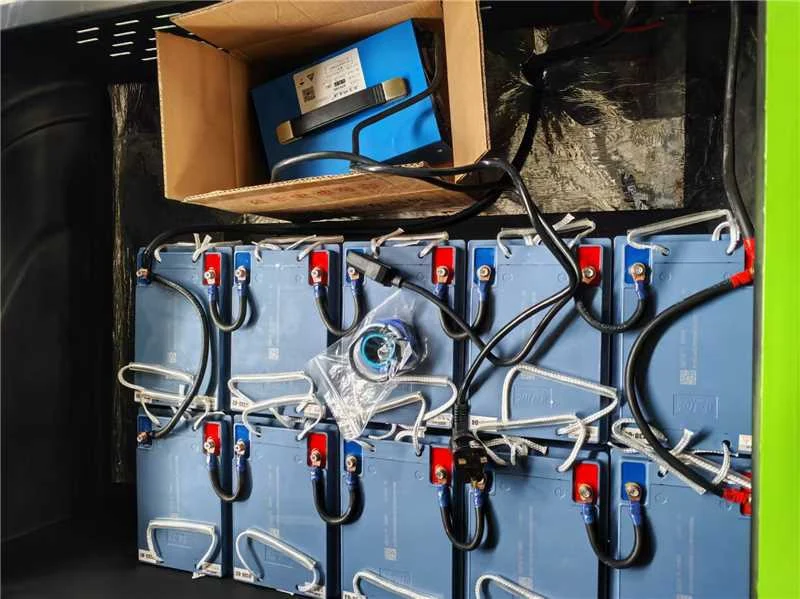

Lithium battery forklifts have the following advantages over lead-acid battery forklifts:
1. Lithium battery forklifts have a fast charging mode. A 1-3 hour fast charge mode is suitable for multi-shift operations, saving time and suitable for high-intensity work.
2. Long lifespan: Three times the lifespan of traditional lead-acid battery forklifts, capable of over 3000 charge-discharge cycles, approximately 5 years of use.
3. Cost savings: Lithium battery forklifts save over 40% on electricity, reducing management costs and saving battery storage space. 4. Maintenance-free: Lithium batteries require no water addition, eliminating leakage, corrosion, and other pollution.
5. Lithium battery forklifts can operate in temperatures ranging from -20°C to 80°C, suitable for high-intensity use.
6. Lithium battery forklifts have a fast-charging mode; a 1-3 hour fast charge mode is suitable for multi-shift operations, saving time.
7. Lithium batteries are ready to use immediately after charging, eliminating the time and safety risks associated with battery replacement.
8. Lithium battery forklifts offer more powerful performance and can completely replace internal combustion forklifts.
9. Lithium battery forklift technology monitors the forklift and battery status, improving forklift management.
10. More environmentally friendly, energy-saving, pollution-free, corrosion-free, and lead-free.
11. High-tech, more advanced, representing the direction of industrial development. Lithium battery forklifts can effectively reduce logistics costs.
Comparison of Energy Efficiency: Electric Forklifts vs. Diesel Forklifts: The core differences between electric and fuel-powered forklifts in terms of energy consumption lie mainly in four aspects: energy type, conversion efficiency, operating costs, and environmental impact. The following is a detailed comparative analysis:
Comparison of Energy Efficiency: Electric vs. Fuel-Powered Forklifts

The following is a detailed comparison table between electric and fuel-powered forklifts in terms of energy type and conversion efficiency:
| Parameter | Electric Forklift | Fuel-Powered Forklift |
| Energy Type | Electric Energy (Lithium-ion Battery/Lead-acid Battery) | Diesel / Gasoline / LPG (Liquefied Petroleum Gas) |
| Energy Conversion Path | Electrical Energy → Battery Storage → Motor Drive | Chemical Energy → Internal Combustion Engine → Mechanical Energy |
| Conversion Efficiency | > 80% | Approx. 30% – 40% |
| Energy Utilization Rate | High (No idling loss; energy recovery up to 15%) | Low (Idling fuel consumption 20%-30%; high heat loss) |
| Energy Cost Comparison | Typically only 1/3 the energy cost for the same load handled | Higher energy cost |
| Overall Energy Efficiency Ratio | Energy utilization rate is approx. 2-3 times that of fuel-powered forklifts | Lower energy utilization rate |
Electric forklifts are significantly superior to traditional fuel-powered forklifts in terms of energy utilization efficiency. Their energy conversion efficiency exceeds 80%, compared to only 30%-40% for fuel-powered forklifts. This means the energy utilization rate of electric forklifts is 2-3 times that of fuel-powered ones. In practical operation, the energy cost of an electric forklift is typically only one-third that of a fuel-powered forklift when handling the same tonnage of goods.
Furthermore, electric forklifts offer additional advantages such as no idling losses and the ability to recover up to 15% of braking energy. In contrast, fuel-powered forklifts consume 20%-30% of their fuel during idling, coupled with high heat losses, further reducing their energy efficiency.
For companies focused on energy saving, emission reduction, and lowering operating costs, electric forklifts are undoubtedly a more economical and environmentally friendly choice.
Summary
In summary, electric forklifts can meet the high-intensity usage requirements of users. The range of electric forklifts can be improved by increasing battery capacity or increasing charging speed. Our professional forklift manufacturer supports forklift customization and fast charging functionality for electric forklifts.