Common Faults and Solutions for Electric Forklifts
During the operation of electric forklifts, various faults may occur. Common issues include battery malfunctions, motor problems, and hydraulic system failures. Timely detection and resolution of these problems can significantly improve work efficiency.
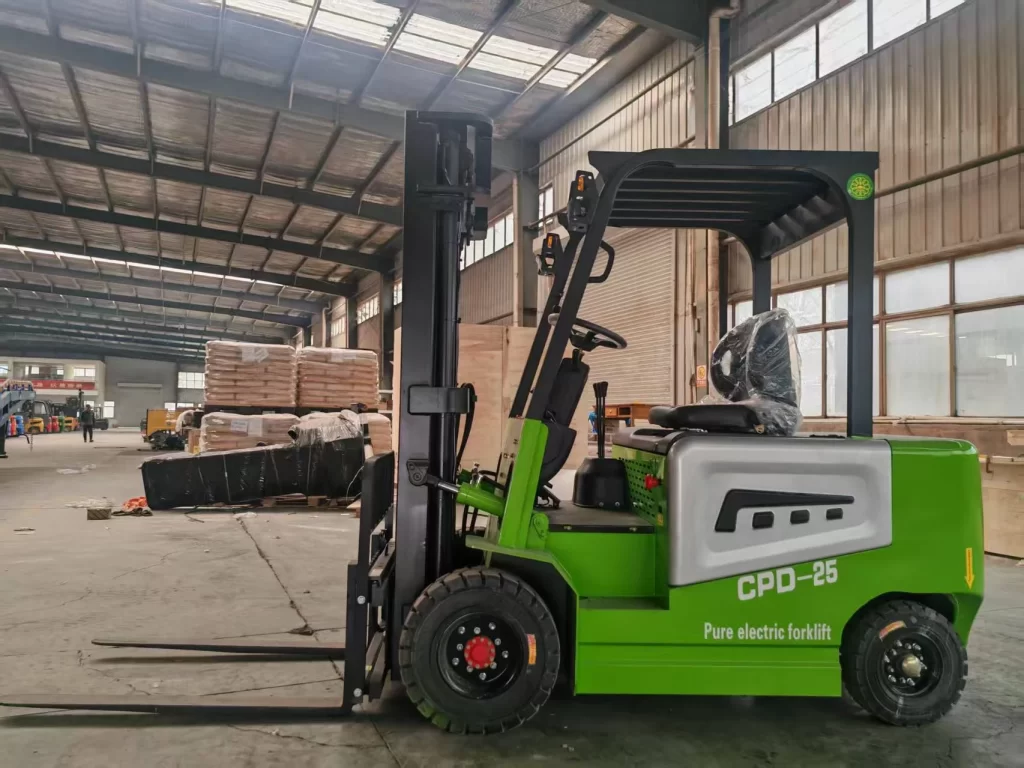
1. Battery Faults
- Low Battery Charge: Regularly check the battery charge level and recharge promptly to maintain sufficient power.
- Battery Unable to Charge: Inspect the connection between the charger and the battery to ensure it is secure, and verify that the charger is functioning correctly. If the charger is faulty, it needs to be replaced.
- Battery Leakage: Check the battery for signs of leakage. If leakage is present, the battery must be replaced.
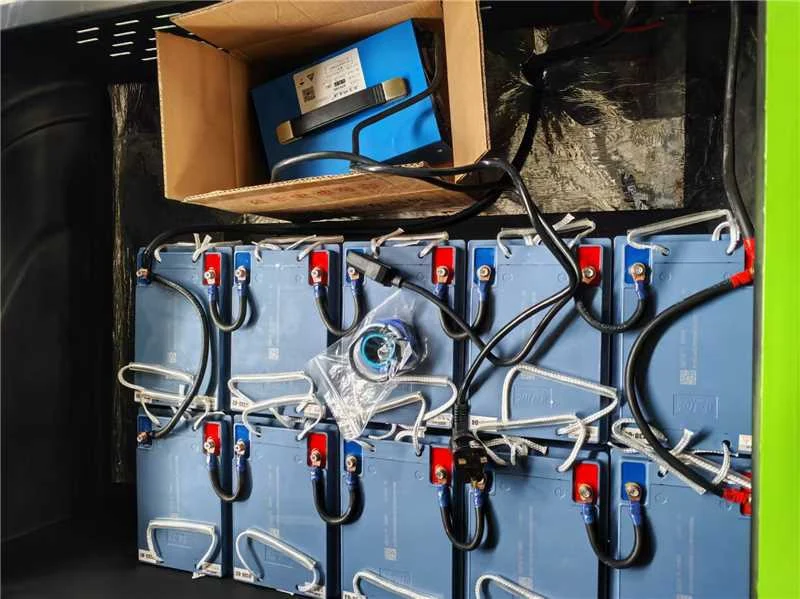
- Lead-Acid Battery Depletion: This occurs when a battery is left uncharged for an extended period. It can be addressed by charging at a low voltage for a sustained duration to restore the voltage to its normal level. A standard healthy battery cell should read around 12.5V. Use a multimeter to measure the voltage of each cell. For any cell reading below 12V, use a separate charger to charge that specific cell (Before disconnecting any cells, take a comprehensive photo of the wiring connections. After charging the cell, reconnect the wires according to the photo).
- Lithium Battery Depletion for Forklifts:
- Core Principle: The Battery Management System (BMS) protection board triggers an over-discharge protection state when the cell voltage drops below a threshold (typically below 2.5V), cutting off the charge and discharge circuits. The key to reactivation is to use a small current to charge the cells until the voltage rises above the BMS unlock voltage (above 2.5V), allowing the protection board to resume normal function.
- Activation Steps:
- Prepare Tools: An adjustable DC power supply (or a low-voltage, low-current charger, such as a dedicated lithium battery activator), a multimeter, and wires (or alligator clips).
- Identify Cell Positive and Negative Terminals: Open the battery casing (if it’s a sealed pack, locate the positive and negative solder points on the cell itself, do not connect to the protection board interface). Use the multimeter set to DC voltage to measure the cell voltage and confirm the reading.
- Replenish with Small Current: Set the adjustable power supply voltage appropriately (e.g., around 40V for a 48V battery, 50V for a 60V battery, 60V for 72-80V batteries) and adjust the current to a low setting between 0.1A and 0.5A (lower current is safer). Connect the power supply’s positive lead to the cell’s positive terminal and the negative lead to the cell’s negative terminal (ensure correct polarity, absolutely no reversal). Charge continuously for 10-30 minutes.
- Check Voltage: Use the multimeter to re-measure the individual cell voltage. If it has risen above 2.5V, the protection board should be unlocked, and the replenishment process can stop.
- Perform Normal Charging: Reconnect the battery to its protection board, attach the original charger, and charge normally. Observe whether it accepts the charge and shows no signs of abnormal heating, swelling, etc.
2. Motor Faults
- Motor Fails to Start: Check the motor’s power supply circuit for faults and resolve any issues found. If the motor is overheated, stop operation and allow it to cool down.
- Unusual Noises from Motor: Inspect the motor bearings for wear and replace them if necessary. Check for foreign objects inside the motor and remove any if found.
- Unstable Motor Speed: Verify that the voltage supplied to the motor is stable and troubleshoot any power supply problems.
We are a professional forklift manufacturer and have recently upgraded the motor used in our electric forklifts. The new motor will be equipped with a cooling fan, offering several advantages:
- Integrated high-efficiency cooling fan for active air cooling.
- Maintains stable low temperatures.
- Significantly reduces the failure rate.
- Suitable for heavy-load and high-temperature operating conditions.
- Energy-saving and requires less maintenance.
3. Hydraulic System Problems
- Insufficient Oil Pressure or Leakage: Regularly check the hydraulic oil level to ensure the system operates correctly. Inspect the system for leak points and repair them promptly.
- Air in the Hydraulic Cylinder: Loosen the bleed screw on the lift hydraulic cylinder to release trapped air from the lift cylinder. Ensure the hydraulic fluid is clean.
- Seal Leakage: Inspect rubber sealing rings for aging, deformation, or other damage that could cause leaks. Replace them promptly with high-quality rubber seals.
4. Brake System Problems
- Brake Pad Wear: Regularly inspect the wear condition of brake pads, discs, and other components, and replace them as needed.
- Insufficient Brake Fluid: Check the brake system fluid level to ensure effective braking. Perform regular maintenance on the brake system, such as flushing the brake fluid and replacing the brake pump.
5. Tire and Suspension System Problems
- Tire Wear: Regularly inspect the condition of the tires to ensure they are in proper working order. Replace severely worn tires promptly.
- Loose Suspension: Check the tightness of suspension system bolts and adjust the suspension as necessary.